What is the Most Vulnerable Part of your Roof?
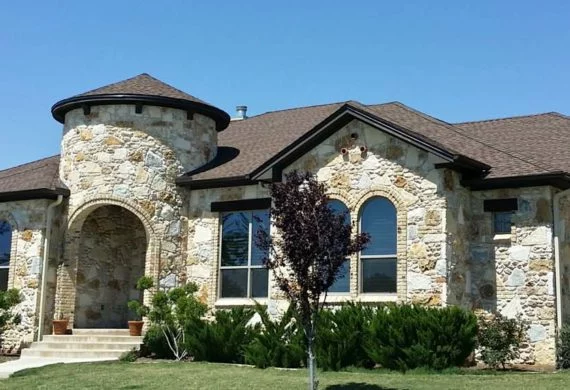
What is the Most Vulnerable Part of a Roof?
The most vulnerable part of a roof is the shingle layer that covers everything else. Your roof combines many parts, including soffits, fascia, flashing, and underlayment, but the asphalt shingles sit fully exposed and absorb the brunt of the weather every day.
Shingles are your home’s first line of defense. They face rain, intense sun, heat, hail, snow, and ice without a break. Over time, constant expansion and contraction cause them to dry out, curl, crack, and lose the protective granules that shield the asphalt underneath. In the Central Texas climate, that wear happens faster than in milder regions.
If you want a full evaluation of your shingles and the components beneath them, a trusted Austin roofing company can tell you exactly how much life your roof has left.
Why Are Shingles the First Part of a Roof to Fail?
Shingles fail first because they have the toughest job and the least protection. Every other roofing layer sits beneath them, while the shingles stay out in the open absorbing punishment year round. Several forces wear them down faster than the rest of the roof:
- Heat and UV: Long, hot Austin summers bake the asphalt and dry out the oils that keep shingles flexible.
- Thermal cycling: Hot days and cooler nights make shingles expand and contract, which loosens granules and weakens seals.
- Hail and wind: Central Texas spring storms bring hail strikes and straight-line winds that bruise, crack, or tear shingles loose.
- Water and ice: Driving rain and the occasional ice event work into any weak spot and lift edges over time.
Once granules wash away and seals break, the layers below become exposed and leaks follow quickly.
What Else Can Damage Your Roof's Shingles?
Weather is the biggest threat, but it is not the only one. Because shingles are the outermost layer, anything that reaches your roof reaches them first:
- Falling debris: A large branch or an entire tree limb can crush shingles in one event.
- Animals: Birds and rodents can pry at edges, and they sometimes nest in vulnerable spots.
- Insects: Wasps, termites, and other pests can work into damaged areas and worsen the problem.
- Foot traffic: Walking on a roof, especially in hot weather when shingles are soft, can crack them.
Even with all of these threats, asphalt shingles remain an excellent, cost-effective choice for Central Texas homes. They hold up well when installed correctly and maintained on a regular schedule.
What Are the Warning Signs of Shingle Damage?
Catching shingle damage early keeps a small fix from turning into a full replacement. Many warning signs are visible from the ground without ever climbing a ladder. Watch for these common red flags:
| Warning Sign | What It Usually Means |
|---|---|
| Granules in gutters or on the ground | Shingles are aging and shedding their protective layer |
| Curling or cupping edges | Heat and UV have dried out the shingles |
| Missing or loose shingles in the yard | Wind or hail has broken the seal |
| Cracked or bruised shingles | Hail impact or thermal stress |
| Dark patches or stains on the ceiling | Water is already getting past the shingles |
If you notice any of these, a professional inspection is the safest next step. A roofer can also spot the less obvious signs of wear that are easy to miss from the ground. When a storm has rolled through, you may also want to review your storm damage and insurance options before damage gets worse.
How Often Should Austin Homeowners Inspect Their Roof?
Austin homeowners should have their roof inspected at least once a year, with an extra check after any major storm and more frequent looks as the roof ages. Building inspections into your regular home maintenance routine is the single best way to protect the most vulnerable part of a roof.
Given the Central Texas pattern of spring hail and summer heat, a yearly inspection often makes the most sense in late spring, after storm season has passed. Homeowners across Cedar Park, Round Rock, Leander, Lakeway, Georgetown, Pflugerville, Buda, and Kyle all deal with the same conditions.
Driftwood Builders Roofing has been GAF Master Elite certified since 2005 and serves Austin and Central Texas with residential and commercial roofing. We provide free estimates, never ask for a deposit on labor or materials, and help guide insurance claims when storm damage strikes. When you are ready, request a free estimate and we will give you an honest assessment of your shingles.
Frequently Asked Questions
What is the most vulnerable part of a roof?
The shingle layer is the most vulnerable part of a roof because asphalt shingles are fully exposed and take the direct hit from rain, sun, heat, hail, and wind. Over time they dry out, crack, and lose granules, which is why they usually wear out before the layers beneath them.
How do I know if my shingles are damaged?
Look for granules in your gutters or on the ground, curling or missing shingles, cracked or bruised areas, and stains on interior ceilings. Many of these signs are visible from the ground, but a professional inspection will also catch the subtle wear that is easy to miss.
How long do asphalt shingles last in Central Texas?
Most asphalt shingle roofs last roughly 20 to 30 years, but intense Austin heat, UV exposure, and spring hail can shorten that lifespan. Regular inspections and prompt repairs help you reach the upper end of that range.
Does hail damage always require a full roof replacement?
Not always. Minor hail can sometimes be handled with targeted repairs, while severe or widespread damage may call for replacement. A professional inspection determines the extent of the damage and whether an insurance claim is worthwhile.
How often should I have my roof inspected?
Plan on at least one inspection per year, plus an additional check after any major storm and more often as your roof ages. Driftwood Builders Roofing offers free inspections across Austin and Central Texas.

Author: Driftwood Builders Roofing
Driftwood Builders Roofing is a family-owned residential roofing company headquartered in Manchaca, Texas, serving Austin and the surrounding Hill Country since 2005. The company has delivered 3,700 full roof replacements and 783 repairs across 3,559 different customers over 20 years in business, with 97 years of combined construction experience across the leadership team and 74 years specifically inside Driftwood Builders. The company holds the highest contractor certifications offered by the major shingle manufacturers, including GAF Master Elite Contractor (the top 3% of GAF contractors nationally), GAF Certified Green Roofer, Owens Corning certified, TAMKO Pro Certified Contractor, and a Berridge Roof Installation Seminar Certificate for standing-seam metal roofs. Driftwood is an NRCA member, holds an Angie's List Super Service Award, is BBB Accredited, and is a GuildQuality member for verified customer satisfaction data. James Hardie certification covers the siding side of the business. Services include residential roof replacement, leak and storm-damage repair, tile roof repair, metal roofing, TPO commercial roofing, roof inspections, hail and storm damage inspections with insurance claim assistance, gutter work, and James Hardie siding. The customer-protection policy is straightforward: Only Pay Upon Completion. The company serves 22 cities across the Hill Country and Greater Austin and holds a 5-star rating across Google, GuildQuality, Angi, Nextdoor, Facebook, Thumbtack, and Yelp.
