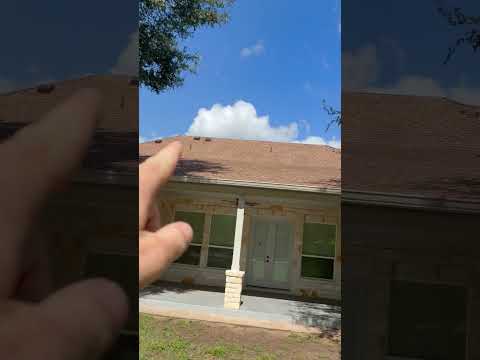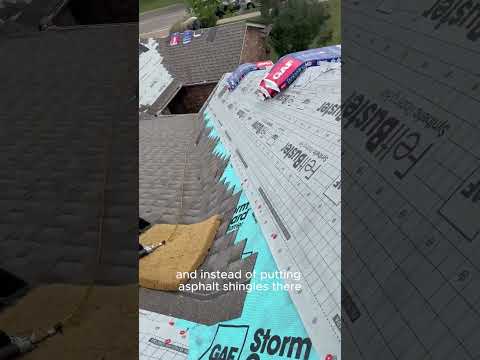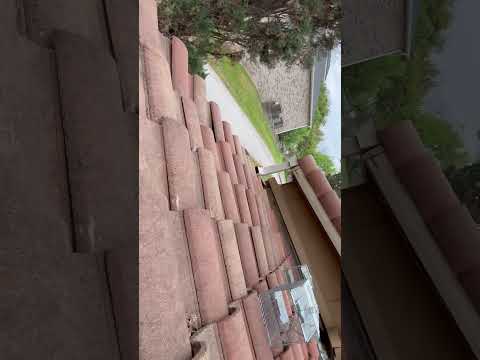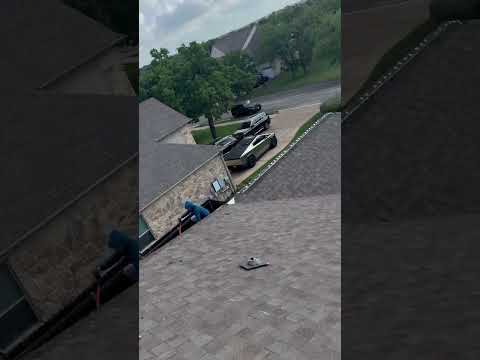






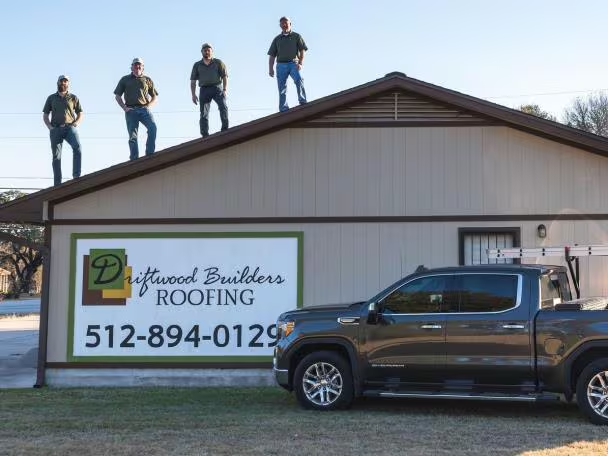







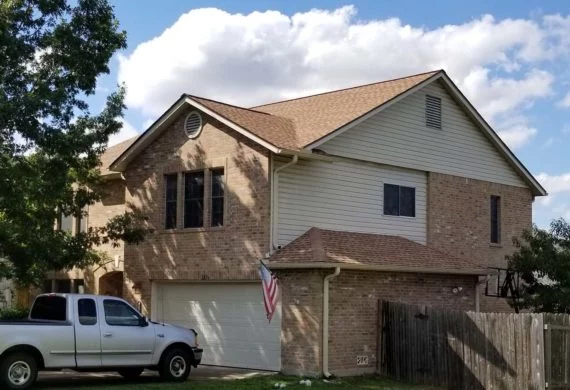
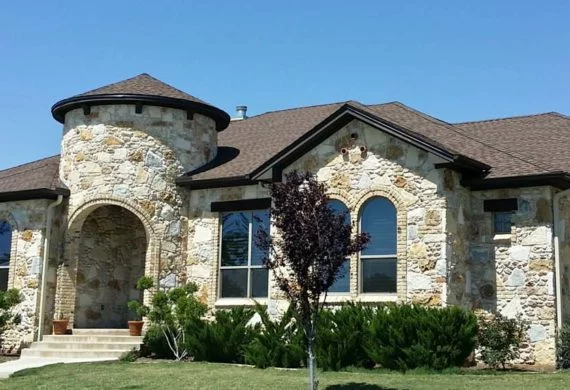
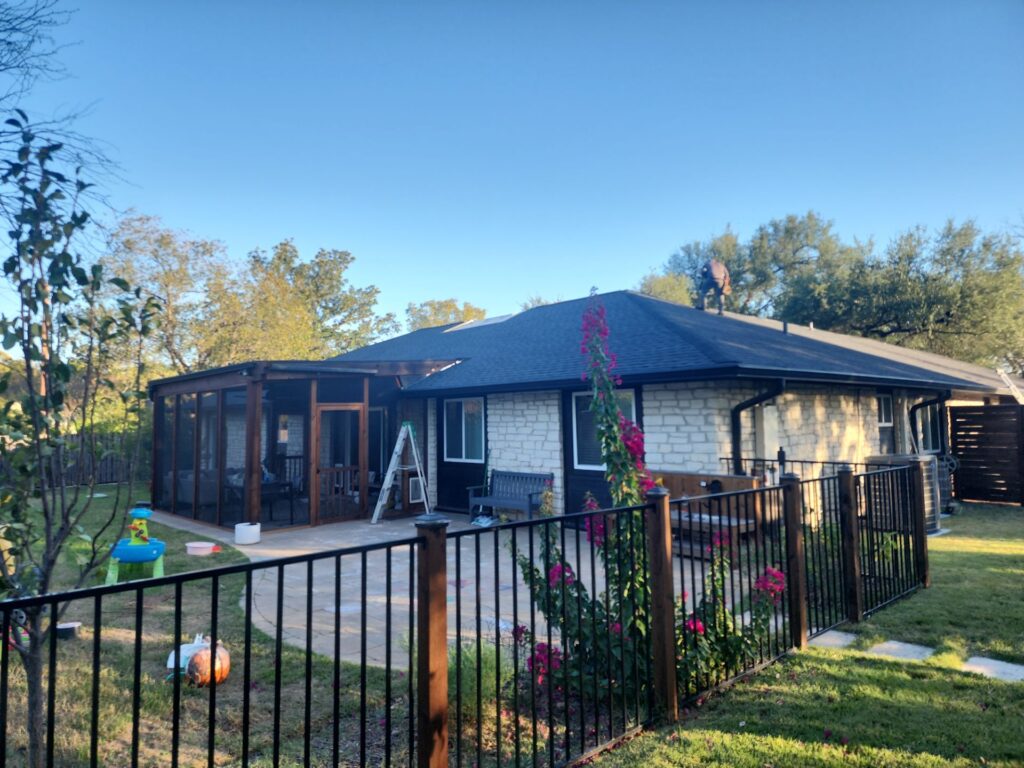
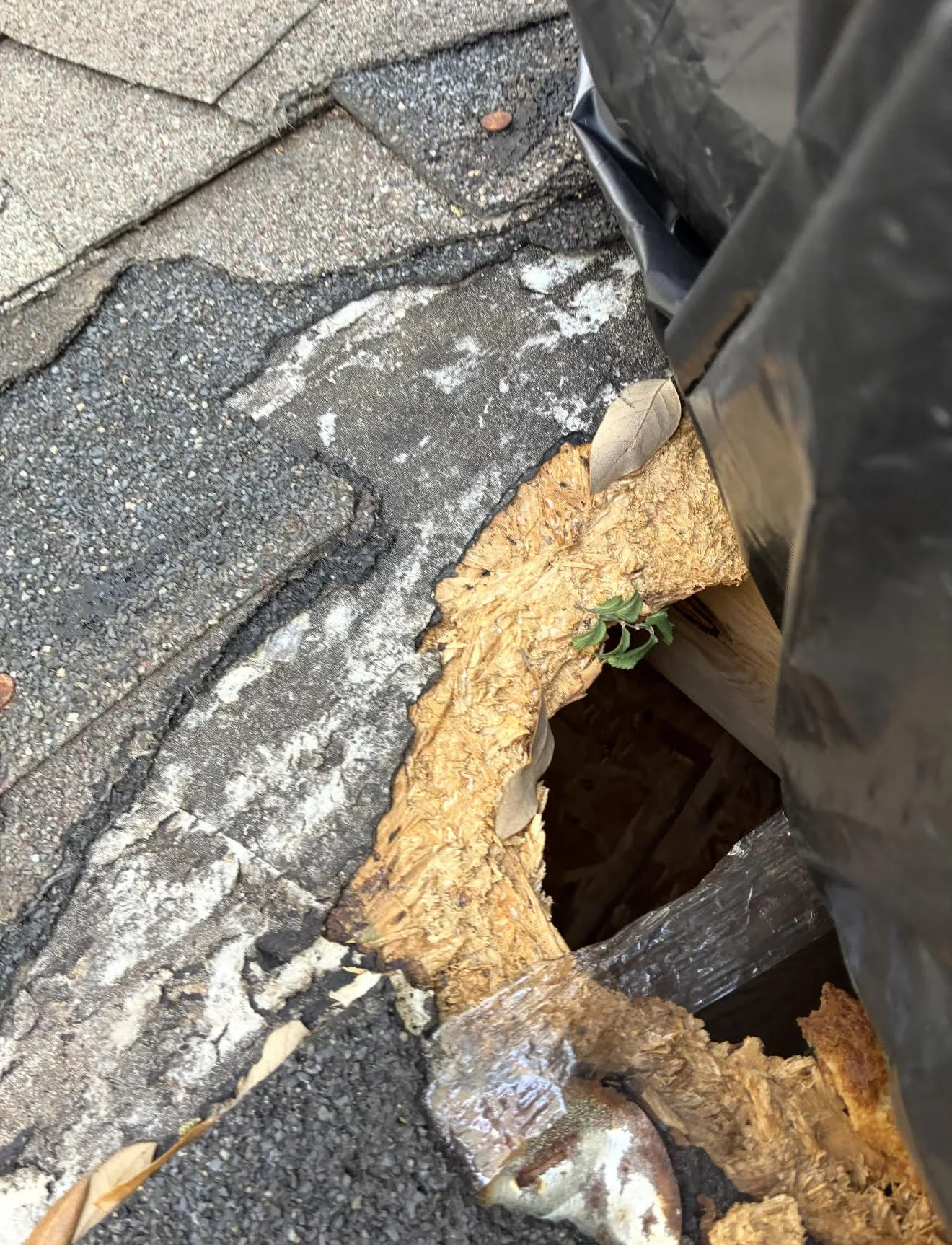

















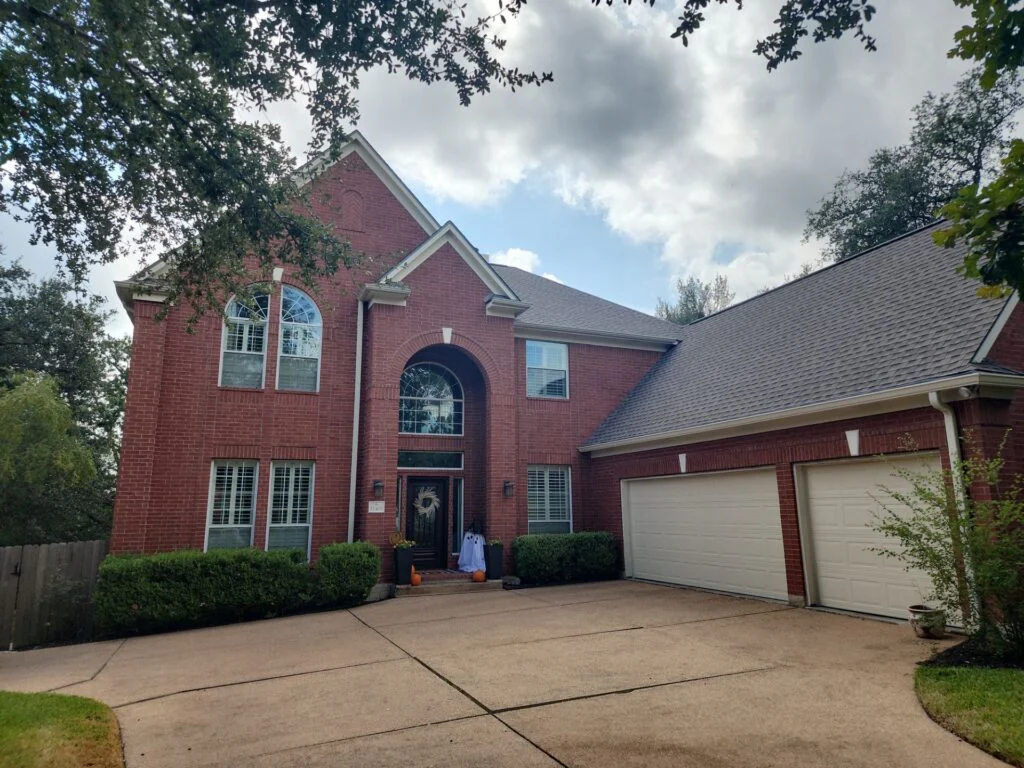
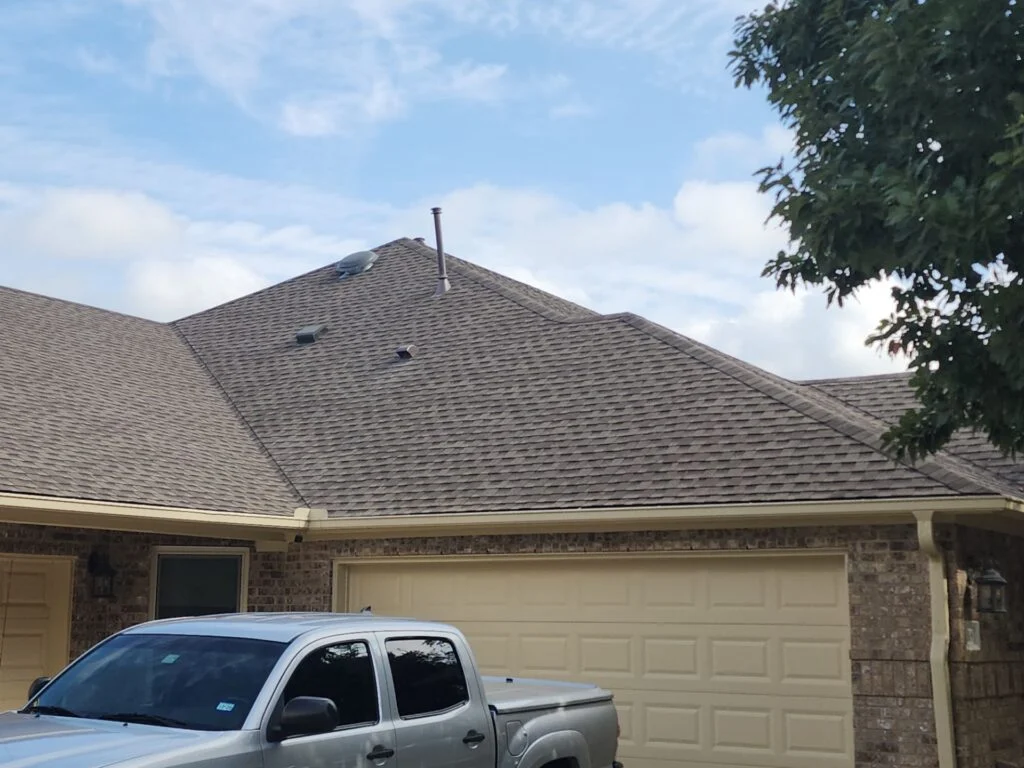
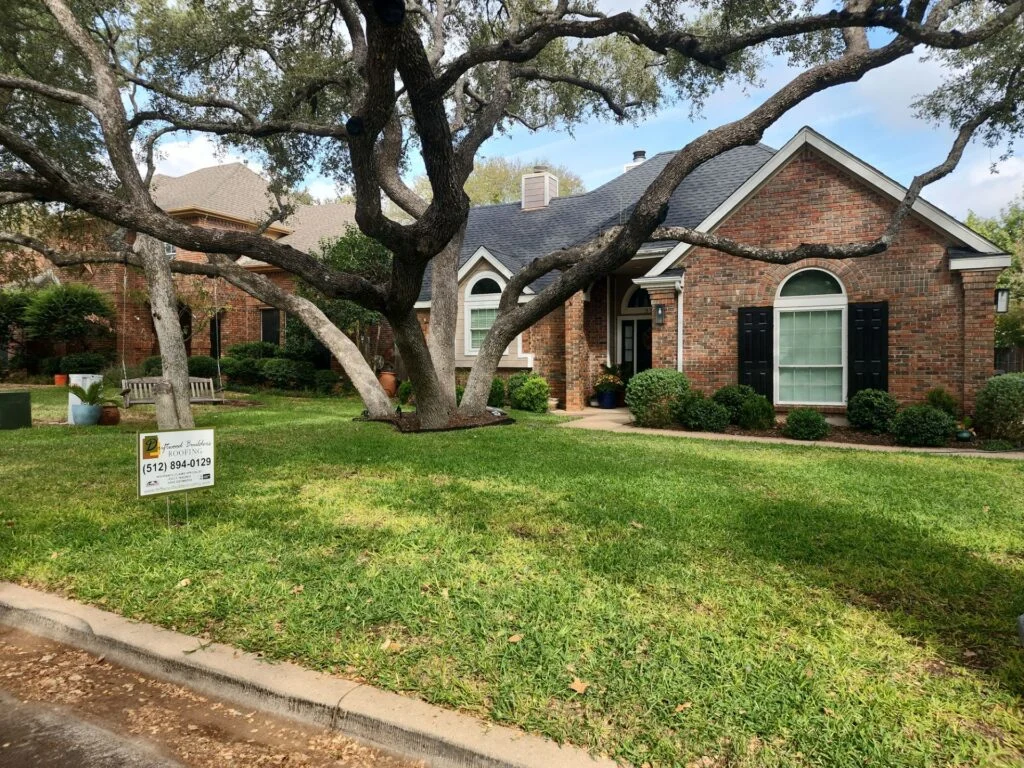
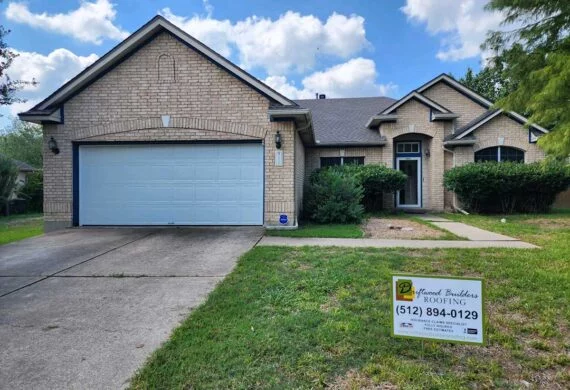
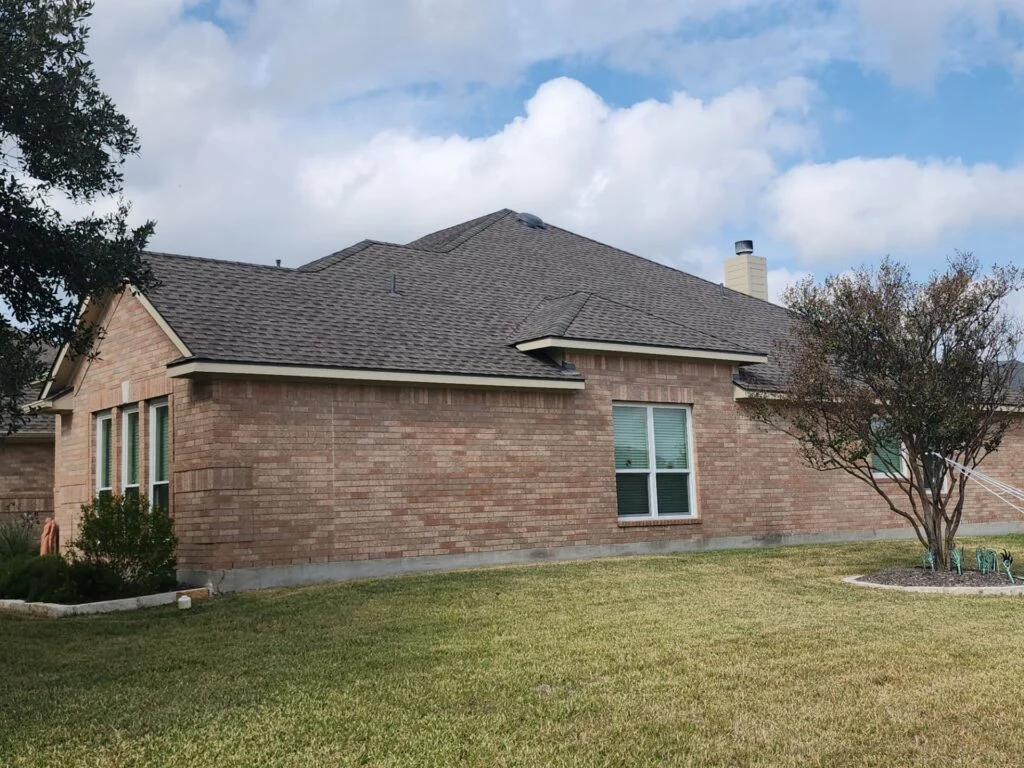
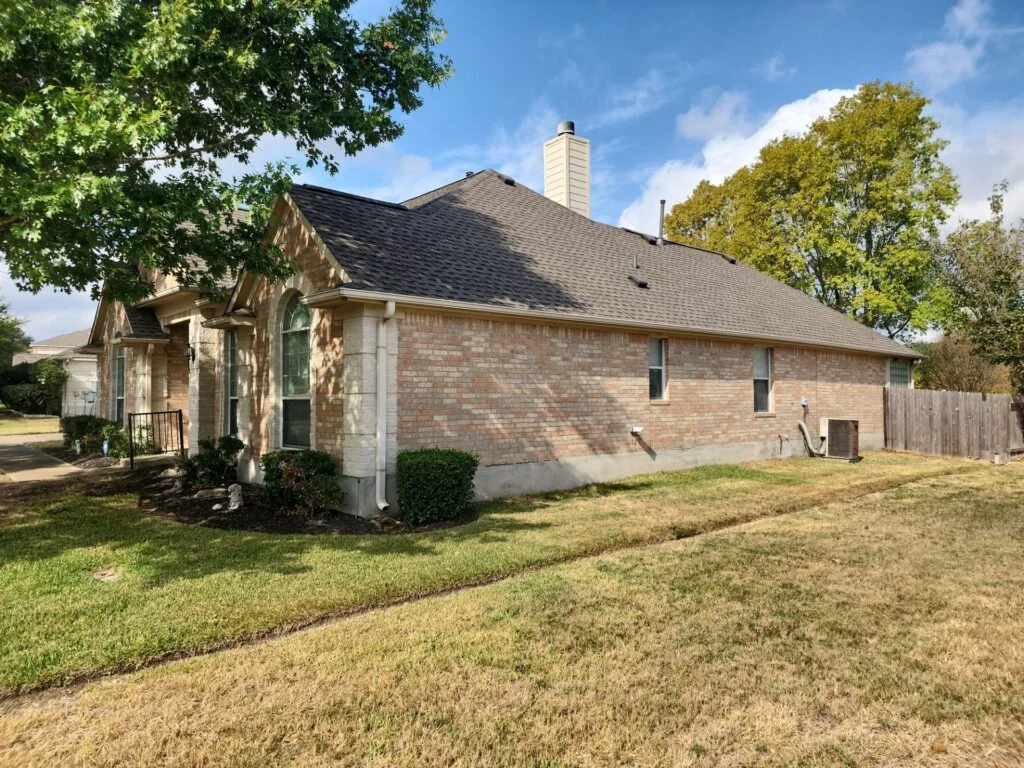
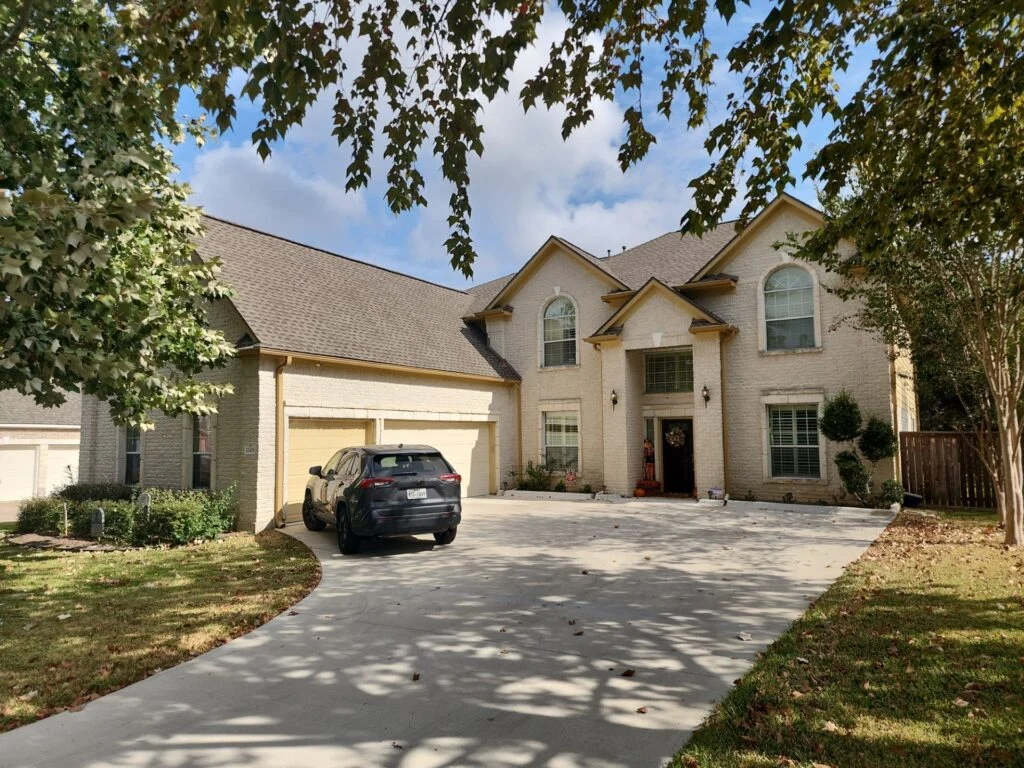
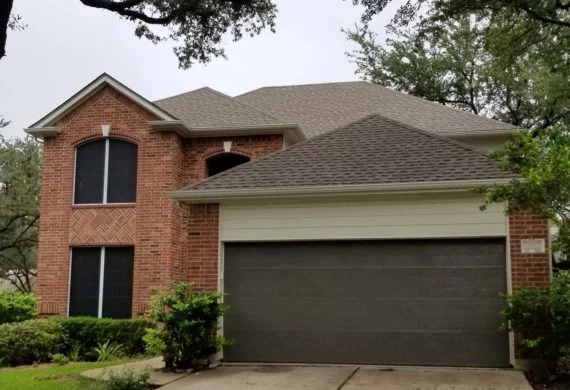
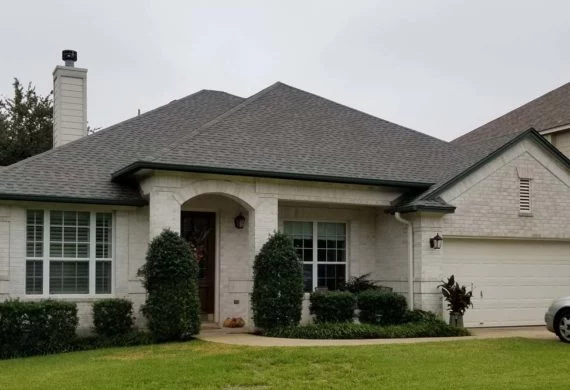
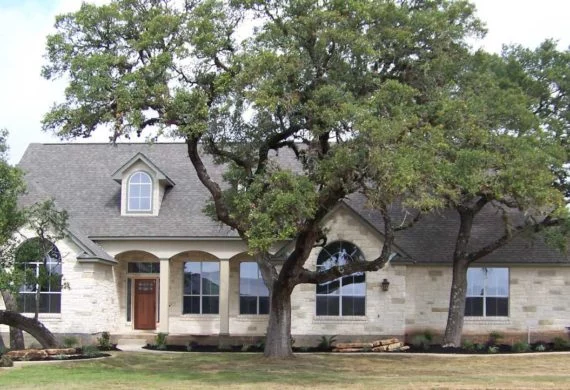
Chaos and Nick Crawley here with Driftwood Builders Roofing. And we know a lot of people are wondering how much does a new roof cost? And they're definitely not cheap. It's a huge investment. And I highly encourage you to as much thorough due diligence as you possibly can. >> [clears throat] >> So today I created this quick educational resource guide to go over number one, the top factors that determine the price of a roof. Number two, what you should look for in a scope of work from your contractors. And then number three, we're going to go over specific examples of roofs that Driftwood completed for asphalt shingle, metal, and clay tile. And I'm going to show you the total cost to replace each of those roofs and exactly how we got there. So let's get started. So the formula for determining the price of the roof is the roof size or what contractors call squares multiplied by the difficulty of the roof or what contractors call waste factor. And then we multiply by the type of roof you put on. And then sometimes there are additional repairs, which we'll get to later. So the roof size is usually the total square feet, where 100 square feet is a square. So let's say the roof size is 30 squares. So we take that 30 number. And then we multiply by the waste factor. So the standard default waste factor contractors use is 10%. And what waste factor is is how much additional roof do we have to put on from the roof that we took off. So at a high level, people usually so the default is 10%. But sometimes if roofs are super steep, then it's more. Sometimes if a roof has a really low slope, it's less. And then with the roof system, there's asphalt shingle roofs, metal roofs, and clay tile roofs. At a high level, metal and clay tile roofs cost about twice as much as asphalt shingle roofs, but they also last about twice as long. And then for repairs, there are various repairs that can be added on, but [clears throat] the two biggest things you need to keep in mind is cost to remove extra felt paper underneath shingles and then wood decking underneath that. So, pertaining to the three types of roofs, there's asphalt shingles, metal, and clay tile are the top three most popular. Now, in Austin, Texas, around 90% of roofs are asphalt shingle roofs. That's the default. Metal and clay tile roofs are around twice as expensive, but they also last twice as long. They're more unique, and some trends we're seeing is that customers are starting to switch to those more and more often. So, the top five factors that determine the cost of a roof is one, roof size. [clears throat] That's kind of obvious. Two, the steepness and stories of the roof. Three, the complexity of the roof. Four, the materials used. And then five, are there additional charges for decking and synthetic felt paper underneath? So, what am I talking about when I talk about extra charges in a roof system? Well, at a high level, each roof system has three layers. First is asphalt shingles, and then underneath that, there should be one layer of felt paper, and only one layer of felt paper. And then underneath that, there's a wood decking. Now, sometimes when you replace a roof, there's additional layers of felt paper. So, sometimes when a roof gets replaced, the old contractor will rip off the old shingles, they will see the existing layer of felt paper, and [clears throat] they will not remove it. They will just put an additional layer of felt paper on top of that, which is not good. So, every roof should have exactly one layer of felt paper, and you can see at the bottom left, the 1 2 3 4, this is a roof we snapped from one of our competitors, where there were four layers of felt paper. So, in our contracts, we have a specific charge if there's if we have to remove an additional layer of felt paper. So, that's one thing to keep in mind that can be an additional charge that you don't know of until the old roof gets torn off. And then, the third thing is a rotted decking that's potentially underneath and needs to get replaced. Now, with rotted decking, sometimes when you walk on the roof, you can feel soft spots and kind of tell that there's rotted decking underneath that will need to get replaced. Or a lot of times, since we've been in business for 21 years, we know the specific pockets of Austin where that's going to need to be replaced fully. But, on average, we usually account for 10% of the decking needs to be replaced. So, those are some additional charges that can get factored in. At Driftwood, we charge $100 for each sheet of decking that needs to be replaced. And when we discover that, we take pictures, send to the homeowner, so there's no surprises there. When you get a quote from a contractor, the top things you should look at are full tear-off and disposal. Are they going to remove the underlayment and ice and water shield where needed? Do they install starter shingles and ridge cap? Does their plan include drip edge and flashing details? Does their plan include ventilation? Is there a decking unit price built in? Are they going to do a clean magnetic sweep of the area once they're done? And does their quote include workmanship and manufacturer's warranties? Now, at Truffer, we recommend getting three quotes to compare them. And when you compare them, make sure not to only in- compare the final price, but to make sure those contracts include the scope of work as well. So, you're comparing apples to apples. Hey Austin, Nick Crow here with Truffer Builders Roofing. And today we're going to go over exactly how to determine the cost to replace an asphalt shingle roof for a roof we recently completed for a customer who lives in Bastrop. And what we're looking at here is a detailed Roof Snap measurement that I ordered. Now, I use Roof Snap. Most of the guys on our team use EagleView, but there's a lot of different applications contractors can use to order measurements. Now, measurements do two things. Number one, they show you the size of the roof. And number two, they show you the complexities of the roof as well. Now, when you get bids for a roof replacement from contractors, we highly suggest you ask them to not only include their bids, but send you the measurements they're ordered as well. Because if a contractor doesn't order detailed measurements, how can you be confident in the accuracy of their estimate? So, what we're going to do now is we're going to scroll down to page four and I'll show you what I'm looking for. So, the first thing I see is this, the total squares is 53.82. So, that is the size of the current roof that needs to be replaced and that we need to remove. And as you can see here, there's different suggested waste factors. Now, what waste factor is, it's essentially the additional roof contractors have to put on from the old roof that they replaced. Now, the default waste factor in the industry is usually 10%. That's what most contractors use. However, if a roof is really steep and more complex, then the waste factor will be higher. However, if if the roof isn't as steep uh and isn't as complex, the default waste factor will be lower. So, based off the roof snap by order, the suggested waste factor was 20.86%, which is much higher than usual. Uh let me just share my screen. So, this is one of the photos I took in company cam when I was climbing on the roof. As you can see, the roof is a little bit more complex, and it's steeper than most roofs. However, I felt 20 uh 20.86% waste factor was too aggressive. So, for this particular roof, based off my experience, I used a 15% waste factor. And then, the second thing I looked at is the different pitch measurements and steepness of the roof. So, as you can see, 42.06 squares of this roof is an 8 by 12 pitch, which means it's steeper than normal. And because it's steeper than normal, it takes more time and work for a crew to remove and replace. And so, that's the second thing I looked at when I reviewed the measurements. So, let's go to my actual proposal. Now, this shows in my proposal the total roof size, the address, the type of shingles used, the project timeline, our recommended scope, the specific warranty highlights that are included in our proposal, as well as the total price right here, $24,397. So, how did I get to $24,397? Well, it's actually pretty simple. Let's dive into it. So, this is how I got to the total price right here, $24,397. Well, how did I do that? Well, first, I looked at the total cost to remove the squares. Going back to our measurement right here, this number 53.82, That was a total existing roof. So, that's how many squares we need to remove, 53.82, and that comes to a total of $3,229 to remove the old roof. And then, the second thing I did was I looked at, okay, how many squares do we need to add on? And what I did is I took the 61.89 number, which is using the 15% default waste factor, and that is 61.89 times our cost per shingle, which gets us to a total of $24,424. So, typically after that, it would be over. You take the total cost to remove the roof plus the total cost to cost to add on more shingles to the roof, and that's the total price of the roof. However, with this specific roof, there were two small extras. So, the first thing extra we have here is the addition for a high pitch. So, going back to our measurements, remember that 42.06 squares were steeper than usual. And so, because 42.06 squares are steeper than usual, I added an additional $294.42 to my estimate. And then, for this specific customer, there was a drainage problem. So, I took a separate video, but essentially, this a huge, huge roof, and when water comes down, it all goes onto a low slope. Actually, let me just show you in my company cam photos. Yeah, so essentially, the problem with this is the roof was leaking, and because the roof is so big and the slope down here is low, every time it rains, a large part of water goes on a huge surface and slowly goes down and [clears throat] only comes down one downspout which resulted in the ceiling leaking. So for this specific roof, we added in a drainage correction which is we added in two downspouts at the bottom of the gutters so that way so that way every time it rains it will properly drain and will solve the leak issue there. But yeah, but that cost was an additional $450. So we take the total removal plus the total additional cost plus the addition for the high pitch and then for this roof specifically we added an additional $450 in gutter downspouts and that gets us to a total price of $24,397. Hey Austin, Nick Raia here with Driftwood Builders Roofing and today I'm going to walk you through exactly how I determine the price for a metal roof replacement for a customer of ours in Wimberley, Texas. So what we're looking at right here is a Roof Snap measurement report. Now I use Roof Snap all the other guys on our team use EagleView but there's a lot of different applications contractors can use to order detailed measurements that show both the size and the complexity of the roof and we highly suggest when you get bids from contractors ask them to send you the detailed measurements they ordered because if they didn't order detailed measurements how can you be confident in the accuracy of their bid and their price. So the first thing I do when getting one of these is I scroll down to page four where it shows me the total size of the current roof. So this current roof is 4,071 square feet or in contractor terms 40.71 squares and we have to calculate the total cost to remove the old roof. And then if you look over here what this is is suggested waste. Now what waste is is how much additional roof do we have to put on from the old roof that we took off. Now, the industry standard is 10% usually. It depends on the complexities and the steepness of the roof. For the specific roof, I got on top, took some measurements, and determined 10% would be an accurate waste calculation. And then the second thing I look at is the pitch measurements. So, as you can see here, 33.7 squares is a 9 by 12 pitch, which 9 by 12 pitch is steeper than most roofs. The average roof pitch is around 6 by 12, which is about 45°. 9 by 12 would be a little bit steeper. Obviously, the steeper a roof is, the more work it is to remove and replace. But, if a roof isn't as steep, then it's easier for us to remove and replace it, and then we charge less. So, this is a roof at a high level. This is the main part of the house right here and here. And then for these two sections right here, our customer did not want to replace them since they're over the garage and the car shed, and it doesn't make sense to pay for an expensive metal roof over those. So, what I did in my calculations is I determined the total cost, sorry, the total size of the roof that we need to replace. And then as you can see here, um the section over the car got included in the Roof Snap, but the section over the garage did not. So, what I did to determine the size of the roof we're actually going to replace is I took the total size of the roof from the Roof Snap, and then I simply subtracted 3.5 squares since we're not replacing that section. Pretty easy stuff. So, in my proposal, I included the address, the specific type of metal that we're going to use, the scope of work at a high level, and then the roof size. And I specifically called out we're only be doing 37.2100 sq ft. I included the timeline, and then included the total cost of the roof, which came out to $28,700. So, the total cost to replace this metal roof came out to $28,700. And I'll break down exactly how I got that number. So, my first item in my proposal is remove the old metal roof and dispose for a total cost of $3,600. And how I got that number was I go back to my Roof Snap, and I take the original size of the roof, and then I subtract the section of the roof that we're not doing, which gets me to the total size of the roof that we are doing. So, I take the total size of the roof we are replacing, and I multiply it by our cost per square to replace, which gets me to $3,600. And then, the second item we have is the install the new metal roof. And how I got that number was I took the total size of the roof that we are replacing, and I multiplied it by 10% to account for the waste factor, and then I multiply it by our metal pricing, and which gets me to a total price of $23,800. And then, the third thing I did is I added in a cost for the additional steepness of the roof. So, we go back here to our Roof Snap, and you can see that 33.7 squares is a little bit steeper 9/12 pitch. And so, I came over, and I added in I took 33.7, and I multiplied it by our price for the 9/12 pitch, which gets me to $1,200 additionally for the steepness of the roof. And then lastly, this specific client had a little hole in their siding up top that they also asked to be replaced and so I thought a fair price for that would be a hundred bucks. So I added in a hundred dollars which gets me to a total price of twenty eight thousand seven hundred dollars for a Driftwood quality roof. Thank you so much for joining me.