
Shingles on your roof can become damaged for many reasons. Storms can batter roofing shingles with one large storm, but they can also take a beating over many years of harsh storms. And, of course, the natural wear of a roof is inevitable as it ages. But how can you tell if your shingle damage is a result of natural wear or storm damage? Let’s take a look.

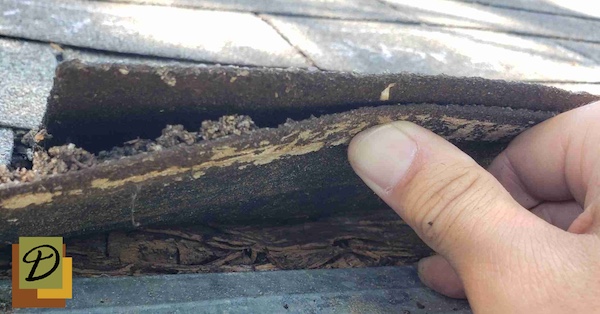
Is your Shingle Damage from Natural Wear or Storm Damage?
Damage to roofing shingles after an intense storm or weather can vary. Some issues will be obvious, but other forms of damage can be tricky to identify and need a roofing specialist to identify the concerns. Wear and tear on a roof from age or from harsh weather will often appear similarly. A shingle will more likely blow away or crack during a storm if the shingles are already older and worn from other storms and heat over the years. Other than hail, roofing shingle damage presents itself pretty similarly whether a roof is older or has been recently beaten up from a strong storm.- Torn, broken, or punctured shingles
- Missing shingles
- Shingle granules missing
- Curling shingles
- Dented or bruised shingles
- Lifted shingles or roofing components