4 Reasons your Roof May Leak from Solar Panels
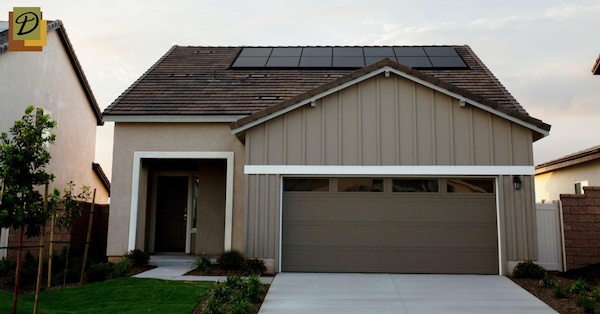
What are the most common reasons your roof leaks from solar panels?
The most common reasons your roof leaks from solar panels fall into four categories: poor installation, an aging roof underneath the array, incompatible roofing materials, and pre-existing damage that was never fixed before the panels went on. Each one creates a path for water around the dozens of mounting points and penetrations a solar system adds to your roof.
Solar panels are attached with brackets and lag bolts that pass through the shingles and into the roof deck. Every one of those holes must be flashed and sealed correctly. When the work is rushed, or the surface underneath is already worn or wrong for the hardware, Central Texas weather does the rest. Intense summer heat dries out sealant, spring hail and straight-line winds stress the mounts, and heavy downpours find any gap that is left.
If you notice staining near your array, have both your solar installer and a trusted Austin roofing company inspect the roof together so the true source is identified before any repair begins.
Can poor solar panel installation cause a roof leak?
Yes. Poor installation is one of the leading reasons a roof leaks around solar panels. Leaks tend to come from how the panels were attached, not from the panels themselves. A careful, professional install seals and flashes every attachment point, but when the work was done by someone you never hired, such as when you buy a home that already has panels in place, you have no way of knowing how carefully that was done. You inherit whatever shortcuts the previous installer took.
Typical installation mistakes that lead to leaks include:
- Improperly sealed mounting holes that let water seep into the deck.
- Missing or poorly fitted flashing around brackets and penetrations.
- Bolts drilled into the wrong spot, missing the rafters and weakening the deck.
- Reused or degraded sealant that fails after a few Texas summers.
If your roof is starting to leak near the array, find a reputable solar company to correct the mounting and sealing. The fix can range from resealing and minor adjustments to replacing a section of shingles and completing a focused roof leak repair.
Why is installing solar panels on an old roof a problem?
An old roof is already prone to leaks before any panels are added. Mounting solar on top of it introduces new drilling, dozens of fresh holes, and years of added weather exposure, which can push a tired roof past its limit. Worse, once panels are installed, the roof underneath them is far harder and more expensive to repair or replace.
The smart move is to match the lifespan of your roof to your solar investment. Before installers arrive, have a professional roof inspection to confirm the roof has enough life left to carry the system for its full warranty period.
| Roof condition before solar | Recommended action | Risk of leaks after install |
|---|---|---|
| New or recently replaced | Proceed with installation | Low |
| 10 to 15 years old, good shape | Inspect, then install | Moderate |
| 15 to 20 years old or worn | Replace roof first | High |
| Visible damage or active leaks | Repair or replace before solar | Very high |
If your roof is near the end of its service life, replacing it before solar saves you from removing and reinstalling the array later.
Which roofing materials cause problems with solar panels?
The type of roof you have directly affects how well solar panels seal and sit. Standard asphalt shingles are the most solar-friendly surface because brackets and flashing integrate cleanly. Wood shakes, ceramic tile, and clay tile are far more challenging and are a frequent reason a roof leaks after solar is added.
These materials create trouble for a few reasons:
- Brittle tiles crack when installers walk on them or drill through them, opening new leak points.
- Uneven surfaces mean panels and mounts do not lay flat, leaving gaps.
- Specialty flashing is required, and not every installer has the right hardware or experience.
If you have a wood, ceramic, or clay tile roof, talk with both your roofer and solar installer before committing. They can tell you whether your roof can support a leak-free install or whether a different mounting approach is needed, and confirm the tile is sound before any drilling begins.
What should you do before and after installing solar panels?
The single best way to prevent leaks is to repair or replace your roof before solar panels ever go on, then verify the work afterward. Addressing pre-existing damage first removes the fourth major cause of solar-related leaks and protects both investments at once.
Follow this simple sequence:
- Inspect first. Have your roof professionally checked for hidden damage, worn shingles, and weak flashing.
- Repair or replace. Fix any issues, or replace an aging roof, before the array is mounted.
- Install with care. Use qualified solar professionals who flash and seal every penetration correctly.
- Inspect again. Once panels are running, have your roofer return for a final review to confirm everything is watertight.
On the rare chance you notice a leak soon after install, get both the solar and roofing teams back out quickly so repairs happen before water reaches the deck and framing. Driftwood Builders Roofing has been GAF Master Elite certified since 2005 and serves Austin and Central Texas with free estimates and no deposit required. If you are planning solar or already see staining near your panels, request a free estimate.
Frequently Asked Questions
Do solar panels always cause roof leaks?
No. With a sound roof and a careful, professional installation, solar panels rarely cause leaks. Problems usually come from poor mounting, an aging roof, incompatible materials, or damage that existed before the panels were added.
Should I replace my roof before installing solar panels?
If your roof is near the end of its service life or shows damage, yes. Replacing it first avoids the cost of removing and reinstalling the array later and ensures the roof outlasts your solar system’s warranty period.
Can solar panels be installed on a tile or wood roof?
They can, but wood shakes, ceramic, and clay tile are harder to seal and crack easily under foot traffic and drilling. These roofs need specialty flashing and an experienced installer, so confirm your roof can support a leak-free install first.
Who fixes a roof leak that comes from solar panels?
It depends on the cause. A reputable solar company should correct mounting and sealing issues, while a roofing contractor repairs the shingles, flashing, or deck. In many cases both teams should inspect together to pinpoint the source.
How does Austin weather affect solar panel roof leaks?
Central Texas heat dries out sealant, spring hail and straight-line winds stress the mounts, and heavy downpours exploit any gap. These forces turn small installation flaws into active leaks faster than in milder climates, which makes proper sealing and inspection essential.
Get a Free Written Roof Estimate

Author: Driftwood Builders Roofing
Driftwood Builders Roofing is a family-owned residential roofing company headquartered in Manchaca, Texas, serving Austin and the surrounding Hill Country since 2005. The company has delivered 3,700 full roof replacements and 783 repairs across 3,559 different customers over 20 years in business, with 97 years of combined construction experience across the leadership team and 74 years specifically inside Driftwood Builders. The company holds the highest contractor certifications offered by the major shingle manufacturers, including GAF Master Elite Contractor (the top 3% of GAF contractors nationally), GAF Certified Green Roofer, Owens Corning certified, TAMKO Pro Certified Contractor, and a Berridge Roof Installation Seminar Certificate for standing-seam metal roofs. Driftwood is an NRCA member, holds an Angie's List Super Service Award, is BBB Accredited, and is a GuildQuality member for verified customer satisfaction data. James Hardie certification covers the siding side of the business. Services include residential roof replacement, leak and storm-damage repair, tile roof repair, metal roofing, TPO commercial roofing, roof inspections, hail and storm damage inspections with insurance claim assistance, gutter work, and James Hardie siding. The customer-protection policy is straightforward: Only Pay Upon Completion. The company serves 22 cities across the Hill Country and Greater Austin and holds a 5-star rating across Google, GuildQuality, Angi, Nextdoor, Facebook, Thumbtack, and Yelp.
