Roof Requirements for Solar Panels
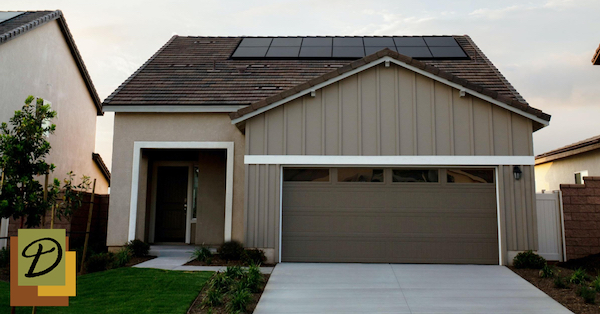
What are the basic roof requirements for solar panels?
The core roof requirements for solar panels come down to space, angle, orientation, structural strength, and remaining roof life. A typical 20 to 30 panel system needs roughly 400 to 600 sq ft of unobstructed roof, a pitch of 15 to 40 degrees, and at least 10 years of life left in the roofing material. It also has to be strong enough to carry the added load over decades.
Each panel can weigh up to about 40 pounds, so a full array adds real weight to your deck and framing. In Central Texas, that structure also has to stand up to intense summer heat, spring hail, and straight-line winds with the panels mounted on top.
Before you sign with any solar provider, have both a solar expert and a trusted Austin roofing company confirm your roof meets these conditions.
How do I know if my roof can structurally hold solar panels?
Your roof can hold solar panels if its framing and decking can carry the extra weight and the surface is sound. On new homes, the roofing and the solar system are designed together. Older roofs are where problems show up, especially if the deck is already stressed or the framing was never meant for added load.
Because each panel can weigh up to 40 pounds, a structural evaluation is the safest way to confirm load capacity. A roofer and a solar installer should review the roof together and check for:
- Rafter and truss spacing strong enough to anchor mounting hardware.
- Solid, undamaged decking with no soft spots or rot.
- Sound flashing and shingles that can be sealed around penetrations.
- Adequate remaining roof life so the array does not outlast the roof.
If any of that is in question, schedule a professional roof inspection before committing to a solar contract.
How much roof space and what pitch do solar panels need?
A typical residential system needs about 400 to 600 sq ft of open roof for 20 to 30 panels, set on a slope of 15 to 40 degrees. The number of panels depends on your home’s energy use, so a larger household needs more panels and more clear roof area.
Existing rooftop features cut into that usable space. Vents, chimneys, skylights, gables, and flashing all break up where panels can sit. Fire safety matters too, since local building codes often require clear setback paths so firefighters can access the roof. Use the ranges below as a planning guide.
| Requirement | Ideal range | Why it matters |
|---|---|---|
| Open roof space | 400 to 600 sq ft | Fits a typical 20 to 30 panel system |
| Roof pitch | 15 to 40 degrees | Balances sun exposure and drainage |
| Orientation | South facing, near 180 degrees true | Captures the most daily sunlight |
| Remaining roof life | At least 10 years | Roof should outlast or match the array |
| Panel weight allowance | Up to 40 lbs per panel | Drives the structural load check |
If your roof is short on usable space or sits at an awkward angle, a solar installer can model layouts and tell you how many panels will fit.
Which roof materials work best for solar panels?
Asphalt shingles are the most solar-friendly roofing material because brackets and flashing integrate cleanly and seal easily. Most other materials can support solar too, just with varying difficulty and cost. Slate, clay tile, and wood are the toughest to work with and the most likely to cause complications.
Here is how the common Central Texas roof types compare:
- Asphalt shingles: Easiest and most affordable to mount on.
- Metal roofing: Strong and durable, often allowing clamp-on mounts with fewer penetrations.
- Clay or concrete tile: Workable but brittle, so tiles can crack underfoot and need specialty flashing.
- Slate and wood: The most difficult, requiring experienced installers and careful handling.
If you have a tile roof, confirm it is sound with a specialist in tile roof repair before panels go on.
Should I replace my roof before installing solar panels?
If your roof has fewer than 10 years of useful life left or shows damage, replace it before installing solar panels. Solar systems run for 25 years or more, so mounting them on a tired roof means you will likely pay to remove and reinstall the array when the roof fails. Matching the roof’s lifespan to the system protects both investments at once.
A simple sequence keeps your project on track:
- Inspect first. Have the roof checked for hidden damage, worn shingles, and weak flashing.
- Repair or replace. Address any issues, or install a new roof, before the array is mounted.
- Install with care. Use qualified solar pros who flash and seal every penetration.
- Inspect again. Once the system is running, have your roofer confirm it is watertight.
If your roof is near the end of its service life, a roof replacement before solar saves you from a costly array removal later. Driftwood Builders Roofing has been GAF Master Elite certified since 2005 and serves Austin and Central Texas with free estimates and no deposit required. To find out whether your roof is solar ready, request a free estimate.
Frequently Asked Questions
How much roof space do I need for solar panels?
A typical 20 to 30 panel system needs about 400 to 600 sq ft of open, unobstructed roof. Vents, chimneys, skylights, and required fire setback paths reduce the usable area, so the exact figure depends on your energy use and roof layout.
What is the best roof pitch and direction for solar panels?
The ideal pitch is between 15 and 40 degrees, with a south-facing slope near 180 degrees true alignment for the most daily sunlight. Other orientations can still work, just with somewhat lower output.
Can solar panels be installed on any roof material?
Most roof materials can support solar, but with different levels of difficulty. Asphalt shingles are easiest and metal is very workable, while slate, clay tile, and wood are more challenging and often need specialty flashing.
How old can my roof be before I install solar panels?
Your roof should have at least 10 years of useful life remaining before adding solar. Since panels last 25 years or more, an older roof should usually be replaced first to avoid removing and reinstalling the array later.
Are solar panels too heavy for my roof?
Each panel can weigh up to about 40 pounds, so a full array adds meaningful load to your deck and framing. A structural evaluation confirms whether your roof can safely carry that weight before installation.

Author: Driftwood Builders Roofing
Driftwood Builders Roofing is a family-owned residential roofing company headquartered in Manchaca, Texas, serving Austin and the surrounding Hill Country since 2005. The company has delivered 3,700 full roof replacements and 783 repairs across 3,559 different customers over 20 years in business, with 97 years of combined construction experience across the leadership team and 74 years specifically inside Driftwood Builders. The company holds the highest contractor certifications offered by the major shingle manufacturers, including GAF Master Elite Contractor (the top 3% of GAF contractors nationally), GAF Certified Green Roofer, Owens Corning certified, TAMKO Pro Certified Contractor, and a Berridge Roof Installation Seminar Certificate for standing-seam metal roofs. Driftwood is an NRCA member, holds an Angie's List Super Service Award, is BBB Accredited, and is a GuildQuality member for verified customer satisfaction data. James Hardie certification covers the siding side of the business. Services include residential roof replacement, leak and storm-damage repair, tile roof repair, metal roofing, TPO commercial roofing, roof inspections, hail and storm damage inspections with insurance claim assistance, gutter work, and James Hardie siding. The customer-protection policy is straightforward: Only Pay Upon Completion. The company serves 22 cities across the Hill Country and Greater Austin and holds a 5-star rating across Google, GuildQuality, Angi, Nextdoor, Facebook, Thumbtack, and Yelp.
