Summary: Austin homeowners can look for possible roof hail damage without climbing onto the roof by checking for dents in gutters, downspouts, vents and other metal surfaces; torn screens or damaged siding; unusual shingle granules near downspouts; and missing, lifted or visibly damaged shingles. Binoculars or a phone’s zoom can help identify obvious issues safely from the ground. However, subtle shingle bruising, hidden flashing damage and other functional damage usually require a professional inspection. Homeowners should consider scheduling an inspection when multiple exterior warning signs appear, nearby homes have confirmed storm damage, or leaks and interior stains develop.
After a hailstorm, many homeowners wonder the same thing: “How can I tell if my roof was damaged without getting up there?”
Learning how to spot hail damage on a roof from the ground can help you decide whether your home needs a professional inspection. Although you usually cannot confirm every type of damage without getting a closer look, there are several warning signs homeowners can safely check after a hailstorm. The good news is that while you usually can’t fully confirm roof hail damage from the ground, you can often spot warning signs that suggest your roof should be professionally inspected. By checking your gutters, downspouts, siding, window screens, metal surfaces, and the areas around your home, you can often get a pretty good idea whether hail may have hit your roofing system hard enough to cause damage.
At Driftwood Builders Roofing, we recommend homeowners stay safely on the ground and look for visible evidence before deciding whether to schedule a roof inspection.
Why You Should Never Climb on the Roof After a Hailstorm
If you suspect hail damage, the safest first step is a ground-level inspection.
Roofs can be slippery, steep, or unstable after a storm. Even if you’re comfortable on a ladder, many signs of hail damage are subtle and are best identified by a trained roofing professional. From the ground, your goal is not to make a final diagnosis — it’s to look for clues that your roof may have been affected. Knowing the most common roof hail damage signs can help you decide whether to schedule a professional inspection. This guide explains how to check for hail damage safely from the ground without climbing onto your roof. This guide explains how to check for hail damage safely from the ground without climbing onto your roof.
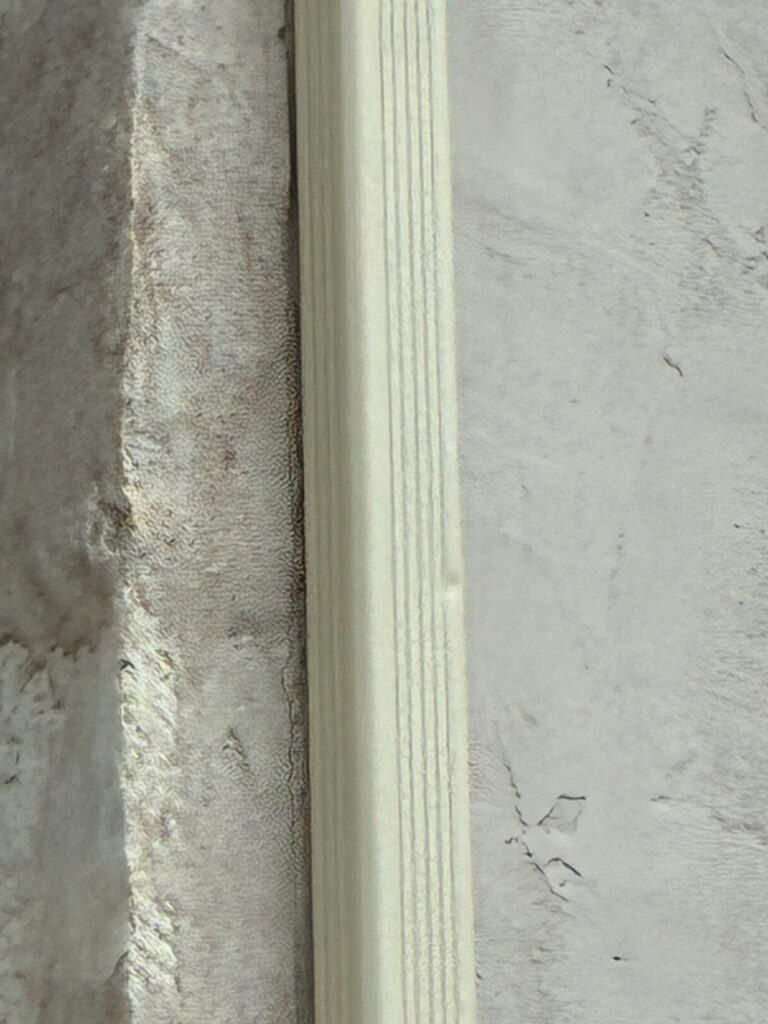
1. Look for Dents on Gutters, Downspouts, and Metal Roof Components
One of the easiest ways to spot possible hail damage from the ground is to look at the soft metal surfaces around your home.
Check for dents or dings on:
- Gutters
- Downspouts
- Metal fascia or trim
- Flashing visible near roof edges
- Garage doors
- Mailboxes
- Metal window wraps
- Outdoor furniture or metal railings
If hail was strong enough to dent metal around the home, there’s a good chance it may also have impacted the roof.
What this can tell you:
Dented metal doesn’t automatically mean the shingles are damaged, but it’s one of the strongest signs that a roof inspection is worth scheduling.
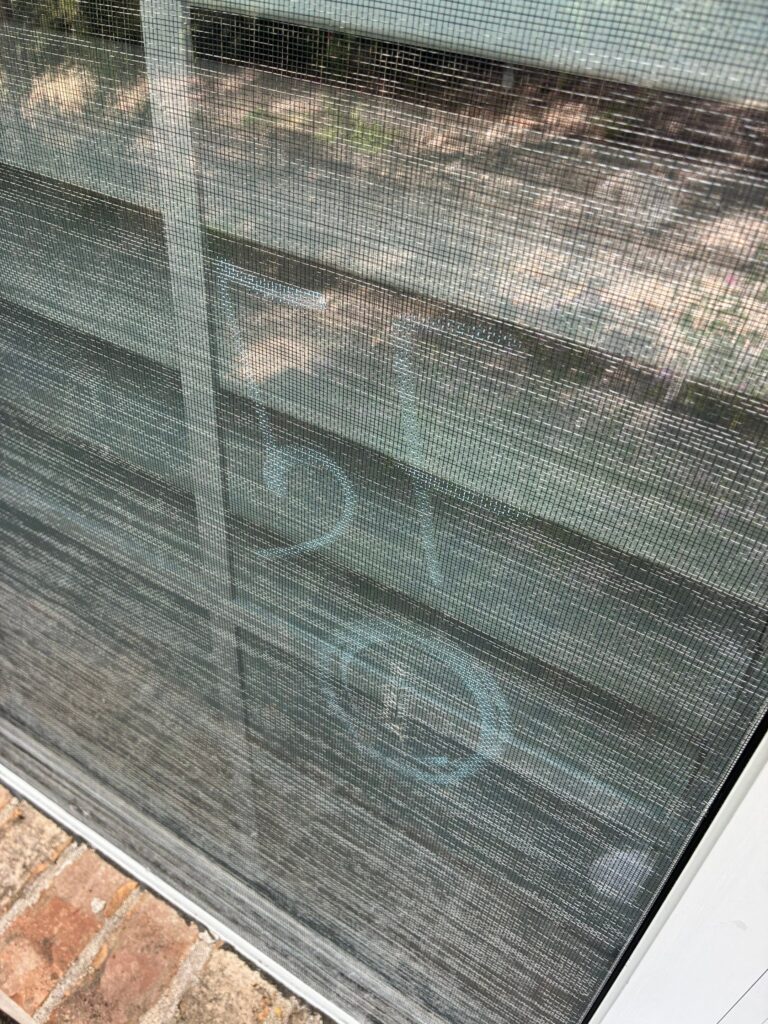
2. Check Window Screens, Patio Screens, and Soft Exterior Surfaces
Hail often leaves visible evidence on other vulnerable surfaces before homeowners ever notice roofing issues.
Walk around your property and inspect:
- Window screens
- Patio enclosures
- Pool screens
- Screened porches
- Siding
- Wood fencing
- Exterior paint
- AC condenser fins
Possible signs include:
- Torn or punctured screens
- Dents in AC fins
- Fresh chips in paint
- Splintered or marked wood surfaces
- Cracks or impact marks on siding
These signs can help confirm that hail hit your home with enough force to potentially affect the roof as well.
3. Look for Granules Collecting Near Downspouts or on the Ground
Asphalt shingles are coated with protective granules. When hail hits hard enough, it can knock some of those granules loose.
From the ground, check for:
- Unusual amounts of gritty, sand-like granules in gutters
- Granule buildup at the bottom of downspouts
- Dark specks or piles of roofing material on patios or driveways
- Areas where runoff has washed shingle granules into visible spots
A small amount of granule loss over time is normal, especially on older roofs. But if you notice a sudden increase right after a hailstorm, that may be a sign the shingles were impacted.
Important note:
Granule loss alone does not prove hail damage. Age, heat, foot traffic, and normal wear can also cause shingles to lose granules. But when combined with other signs, it becomes more significant.
4. Use Binoculars or Your Phone’s Zoom to Check for Visible Shingle Issues
You should not get on the roof, but you can look at it more closely from the ground using:
- Binoculars
- A phone camera with zoom
- Photos taken from different angles around the home
What you may be able to spot:
- Missing shingles
- Lifted or displaced shingles
- Exposed black asphalt areas
- Broken ridge caps
- Visible damage to vents or other roof accessories
- Irregular dark spots in concentrated sections
Some hail damage is too subtle to identify from the ground, but obvious visible changes to the roof surface are a strong reason to schedule an inspection.
5. Inspect Roof Vents, Flashing, and Other Visible Accessories
Many roof systems have components that are easier to assess visually from the ground than the shingles themselves.
Try to look at:
- Metal vents
- Ridge vents
- Flashing
- Chimney caps
- Turbine vents
- Skylight trim
- Exposed roof penetrations
Hail damage may show up on these materials as:
- Dents
- Bent edges
- Fresh impact marks
- Cracked or loosened components
These items can help a roofing contractor determine whether the storm caused widespread impact damage.
6. Pay Attention to Where the Storm Hit the Hardest
Not all sides of a home are damaged equally.
In many cases, hail and wind strike one slope or one elevation harder than another. If neighbors on your street are getting roofs inspected or replaced after the same storm, that can also be a clue that your home may have been in the storm path.
You may want to pay especially close attention if:
- The storm produced large hail in your area
- Nearby homes show visible damage
- Your neighborhood had severe wind-driven hail
- Your roof is older or already worn
- You recently noticed leaks, stains, or interior moisture issues
What You Usually Can’t Confirm From the Ground
A ground-level check can be helpful, but it has limits.
From the ground, most homeowners cannot reliably confirm:
- Bruised asphalt shingles
- Subtle impact marks
- Soft spots in shingles
- Hidden flashing damage
- Roof-deck issues
- Functional damage that affects roof life but isn’t obvious visually
That’s why a professional inspection matters. A trained roofer can distinguish between:
- Hail damage
- Normal aging
- Blistering
- Mechanical damage
- Foot traffic damage
- Manufacturing defects
The National Weather Service recommends moving indoors during severe thunderstorms and staying away from windows when large hail is present.
Common Signs It’s Time to Schedule a Professional Inspection
You should consider scheduling a roof inspection if you notice any of the following after a storm:
- Dented gutters or downspouts
- Damaged screens or exterior metal
- Granules collecting below downspouts
- Missing or displaced shingles
- Visible roof accessories with impact marks
- Water stains inside the home
- Neighbors having storm damage confirmed
- A recent hailstorm with larger stones in your area
Even if there are no leaks yet, hail damage can shorten the life of your roof and lead to future issues if ignored.
What a Roofing Professional Looks for That Homeowners Often Miss
During a professional hail inspection, a roofing contractor may look for:
- Circular impact marks or bruising on shingles
- Areas of granule displacement
- Exposed asphalt mat
- Damage patterns on soft metals
- Hits on ridge caps, vents, and flashing
- Collateral damage across the property
- Evidence that the storm caused functional roof damage
This is especially important if you plan to file an insurance claim, since documentation and photo evidence can make a big difference.
Austin and Central Texas Hail Damage: Why Fast Inspections Matter
In the Austin area, hailstorms can vary dramatically from one neighborhood to another. One street may get minimal impact while another sees enough damage to justify a full roof replacement.
Because of that, we usually recommend having your roof checked when:
- You know hail fell in your area
- You found signs of damage at ground level
- Your home has an older roofing system
- You want peace of mind before small issues become expensive repairs
A timely inspection can help identify whether the roof is fine, needs minor repairs, or has more significant storm-related damage.
Final Thoughts: Start From the Ground, Then Call a Professional if Needed
If you’re trying to spot hail damage, a safe ground-level inspection is the right place to start.
Look for:
- Dents in gutters and metal surfaces
- Torn screens or damaged siding
- Granule buildup near downspouts
- Missing shingles or visible roof irregularities
- Damage to vents, flashing, or other exterior components
These signs don’t always confirm roof damage on their own, but they do help you decide whether a professional inspection is the next step.
If you’re in the Austin area and want an experienced opinion, Driftwood Builders Roofing can inspect the roof, document any storm-related damage, and help you understand whether repair or replacement makes the most sense.
Frequently Asked Questions About Roof Hail Damage
Can you tell if a roof has hail damage from the ground?
Sometimes. You usually can’t fully confirm hail damage from the ground, but you can often spot warning signs like dented gutters, damaged screens, granule loss, or missing shingles that suggest the roof should be inspected.
What does hail damage look like from the ground?
From the ground, hail damage may show up as dents in gutters and downspouts, torn window screens, granules collecting near downspouts, or visible shingle damage.
Should I get on my roof to check for hail damage?
No. It’s safer to stay on the ground and use binoculars or your phone’s zoom. A professional roofer should handle the close inspection.
Does dented guttering mean my roof is damaged?
Not always, but it’s a strong clue. If hail dented your gutters or other metal surfaces, the roof may have been hit hard enough to sustain damage too.
How soon should I have my roof inspected after a hailstorm?
If you notice signs of possible storm damage, it’s best to schedule an inspection as soon as practical. Early documentation can help with repair planning and insurance claims.
Can hail damage a roof without causing a leak?
Yes. Hail can damage shingles and shorten the roof’s lifespan without causing an immediate leak. Water intrusion may not appear until later, which is why an inspection can be worthwhile even when the home is still dry.
What size hail can damage a roof?
There is no single size that always causes damage. The risk depends on hail size, wind speed, roof age, roofing material, and the angle of impact. Older shingles may be damaged by smaller hail than a newer roof.
Does hail damage always require a full roof replacement?
No. The right solution depends on how widespread the damage is, the roof’s condition, and whether compatible replacement materials are available. Some roofs only need localized repairs, while others may require replacement.
Will homeowners insurance cover hail damage?
Many homeowners policies cover sudden hail damage, but coverage depends on the policy, deductible, roof age, and the insurer’s inspection. A roofing contractor can document visible damage, but the insurance company makes the final coverage decision.
How long after a hailstorm can I file a roof claim?
The deadline varies by insurance policy and carrier. Homeowners should review their policy and report suspected damage promptly rather than waiting for a leak to develop.
Not sure whether your roof was damaged in the last storm?
Driftwood Builders Roofing provides professional roof inspections for homeowners in Austin and surrounding areas. If you’ve noticed dents, granule loss, or other storm-related warning signs, contact us to schedule an inspection.