5 Reasons you May Need a New Roof
What are the main signs you need a new roof?
The most reliable signs you need a new roof are age past 20 years, leaks that return after repairs, a sagging or soft deck, failing flashing, and rising energy bills tied to poor ventilation. When several appear together, patching usually stops being cost effective. In Central Texas, intense summer heat and spring storms accelerate these problems, so Austin and Cedar Park homes often show wear sooner than the national average.
A quick walk around your home, checking the roof, gutters, trim, and fascia, takes about an hour and can save you from a surprise leak. For anything you cannot safely see, a professional inspection is the smart move. Driftwood Builders Roofing has been a GAF Master Elite certified Austin roofing company since 2005, and we offer free, no pressure estimates.
How old should a roof be before you replace it?
Roof age is one of the biggest factors in a replacement decision. A typical asphalt shingle roof lasts roughly 18 to 25 years, depending on shingle grade and weather exposure. Around the 10 year mark, start reviewing the roof yearly so you catch early wear, cracking, and loose or missing shingles before they turn into leaks.
Texas sun is relentless on shingles, baking out the protective oils and shortening lifespan compared to cooler climates. Use this table as a rough guide.
| Roof material | Typical lifespan in Central Texas | When to start yearly checks |
|---|---|---|
| Asphalt 3 tab shingles | 15 to 20 years | Year 8 |
| Architectural shingles | 20 to 25 years | Year 12 |
| Metal roofing | 40 to 60 years | Year 25 |
| Tile roofing | 40 to 50 years | Year 25 |
If your roof is near or past the high end of its range and showing wear, replacement is usually a better long term investment than repeated roof repair.
Why do leaks, cracked flashing, and worn seams matter so much?
The seams where flashing meets your roofing are the most common entry point for water. Flashing around your chimney, skylights, and roof vents takes the most abuse from weather, age, and sun. Once it cracks or pulls loose, moisture creeps into the wood decking and drops into your attic. A leak that keeps returning despite repairs signals the system has reached the end of its life.
- Water stains on ceilings or attic rafters after rain.
- Daylight visible through the roof boards from inside the attic.
- Rusted or lifted flashing around chimneys, vents, and skylights.
- Repeated repairs in the same area within a year or two.
Central Texas hail and straight line winds tear at these seams every storm season. If a single repair will not hold, a full assessment helps you decide whether targeted work or replacement is the better protection.
What does a sagging or rotting roof deck mean?
Your roof is built in layers: a solid wood deck, a moisture resistant leak barrier, and the shingles and flashing on top. When poor moisture control lets the deck rot, you see sagging rooflines, soft spots underfoot, or mold in the attic. This is one of the most serious signs you need a new roof, because a compromised deck cannot safely support new shingles and becomes a health and safety concern.
Sagging almost always means water has been sitting where it should not for a long time. In humid Texas summers, trapped moisture and weak ventilation speed up the decay. At this stage, surface repairs only mask the problem, and replacing the roof down to a sound deck is the responsible fix.
How do shingle appearance and energy bills point to replacement?
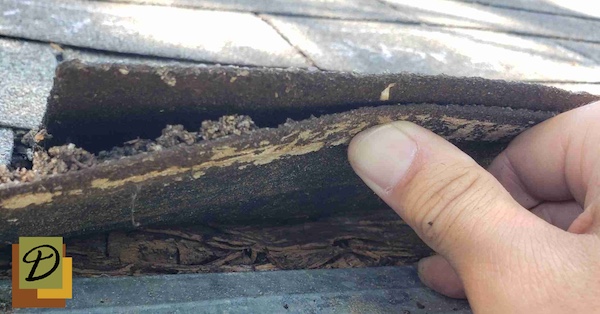
Look closely at the shingles. Curling, cracking, bald patches where granules have washed away, edges turning up, or shingles that look shabby and brittle all tell you the protective layer is failing. Granules in your gutters are another giveaway. Once enough shingles degrade, the roof can no longer shed water and reflect heat the way it should.
That heat connection is why your utility bills matter. A worn roof with poor insulation and ventilation lets attic temperatures soar in the Austin summer, forcing your air conditioner to work harder and pushing bills higher. If your energy costs keep climbing for no other reason, an aging roof may be the cause. A professional inspection can confirm whether a repair or a full roof replacement is the better value.
What should you do if you see these signs?
If you notice one warning sign, monitor it and address it promptly, since timely repairs can sometimes extend an otherwise sound roof. When several signs show up together, age, leaks, sagging, failing flashing, and rising bills, it is usually time to plan for replacement rather than keep paying for patches.
The safest next step is a professional inspection of both the roof surface and the attic. Driftwood Builders Roofing serves Austin and Central Texas communities including Cedar Park, Round Rock, Leander, Lakeway, Georgetown, Pflugerville, Buda, and Kyle. We provide free estimates, never ask for a deposit, and assist with insurance claims after storm damage. To get a clear answer, request a free estimate and we will tell you honestly whether repair or replacement makes more sense.
Frequently Asked Questions
How do I know if I need a new roof or just a repair?
A repair usually makes sense when damage is isolated and the roof is still within its expected lifespan. Replacement is the better choice when the roof is past 20 years, leaks keep returning, the deck is sagging, or widespread shingles are curling and shedding granules. A professional inspection gives you a clear, honest answer.
How long does a roof last in Central Texas?
Most asphalt shingle roofs in the Austin area last about 18 to 25 years, with architectural shingles on the higher end and 3 tab shingles lower. Intense summer heat and storm season can shorten that range, so yearly checks after year 10 are a good habit.
What are the most common signs you need a new roof?
The most common signs are shingles over 20 years old with curling or cracking, granule loss in your gutters, leaks that return after repairs, sagging or soft spots in the roof deck, failing flashing, and energy bills that keep climbing from poor attic ventilation.
Does a worn roof really raise my energy bills?
Yes. A degraded roof with poor insulation and ventilation lets attic heat build up, forcing your air conditioner to work harder during the Austin summer. If your bills keep rising with no other explanation, an aging roof and attic system may be the cause.
Is a roof inspection worth it before deciding?
Absolutely. An hour spent inspecting the roof, gutters, trim, and attic can catch problems early and even extend your roof’s life with timely repairs. Driftwood Builders Roofing offers free assessments so you can decide between repair and replacement with confidence and no deposit required.
Author: Driftwood Builders Roofing
Driftwood Builders Roofing is a family-owned residential roofing company headquartered in Manchaca, Texas, serving Austin and the surrounding Hill Country since 2005. The company has delivered 3,700 full roof replacements and 783 repairs across 3,559 different customers over 20 years in business, with 97 years of combined construction experience across the leadership team and 74 years specifically inside Driftwood Builders. The company holds the highest contractor certifications offered by the major shingle manufacturers, including GAF Master Elite Contractor (the top 3% of GAF contractors nationally), GAF Certified Green Roofer, Owens Corning certified, TAMKO Pro Certified Contractor, and a Berridge Roof Installation Seminar Certificate for standing-seam metal roofs. Driftwood is an NRCA member, holds an Angie's List Super Service Award, is BBB Accredited, and is a GuildQuality member for verified customer satisfaction data. James Hardie certification covers the siding side of the business. Services include residential roof replacement, leak and storm-damage repair, tile roof repair, metal roofing, TPO commercial roofing, roof inspections, hail and storm damage inspections with insurance claim assistance, gutter work, and James Hardie siding. The customer-protection policy is straightforward: Only Pay Upon Completion. The company serves 22 cities across the Hill Country and Greater Austin and holds a 5-star rating across Google, GuildQuality, Angi, Nextdoor, Facebook, Thumbtack, and Yelp.
