What to Look for When Checking your Roof for Leaks and Cracks
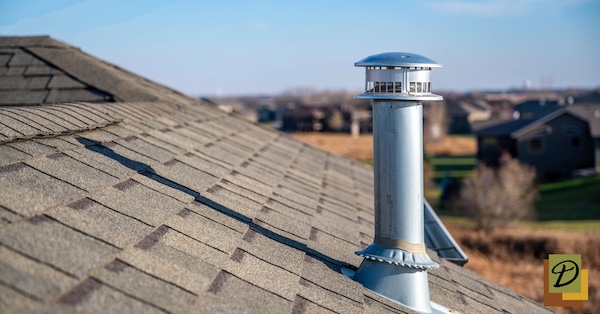
How do you check your roof for leaks and cracks?
Learning how to check your roof for leaks and cracks starts inside, not on the roof. Begin in the attic on a bright day and look for pinpoints of daylight through the roof deck, dark water stains on the wood or rafters, damp or matted insulation, and any musty smell that points to trapped moisture. These interior clues often appear long before a ceiling stain shows up in your living space.
Next, walk the upper-floor rooms directly beneath the roof and inspect ceilings, corners, and the tops of walls for discoloration or bubbling paint. Note where any moisture appears, because water often travels along rafters before it drips, so the stain inside rarely sits directly under the actual roof breach.
From the ground or a stable ladder, scan the roof for problems. A trusted Austin roofing company can confirm what you find and reach the spots a homeowner should not. In Central Texas, intense summer heat and sudden spring storms accelerate wear, so what looks minor in March can become an active leak by August.
What are the warning signs of a roof leak inside your home?
Interior signs usually surface before you see damage outside. The most common red flags:
- Water stains on ceilings or walls, often ring-shaped and brown or yellow.
- Damp or compressed insulation in the attic that has lost its loft.
- Mold or mildew growth and a persistent musty odor near the roofline.
- Peeling paint or bubbling drywall in rooms on the top floor.
- Daylight visible through the roof deck when the attic lights are off.
If you spot any of these, trace the moisture to its highest point and mark that area. Catching these signs early lets you schedule a targeted roof leak repair before water reaches framing, wiring, or ceilings, where repair costs climb quickly.
What should you inspect on the roof surface for cracks and damage?
Once outside, focus on the areas you flagged inside, then work across the whole roof. Different components fail in different ways, so check each one:
| Component | What to look for | Why it leaks |
|---|---|---|
| Shingles | Cracked, curled, torn, bulging, or missing pieces; bald spots where granules are gone | Sun and heat dry out asphalt; hail strips granules and cracks the mat |
| Flashing | Gaps, rust, lifted edges, or loose metal around chimneys, vents, and skylights | Most leaks start at penetrations where flashing has pulled away |
| Sealant | Dried, cracked, or peeling caulk at penetrations and seams | Sealant degrades faster under Central Texas UV exposure |
| Gutters and fascia | Granules collecting in gutters, sagging, rot on fascia trim | Clogs and rot let water back up under the roof edge |
Heavy granule loss in your gutters is a strong sign your shingles are nearing the end of their life. If you are not comfortable on the roof, binoculars from the ground let you inspect most of these areas safely.
How does Austin weather cause roof leaks and cracks?
Central Texas is unusually hard on roofs, which is why regular checks matter more here than in milder climates. Several local forces work against your shingles:
- Intense summer heat: Months of direct sun above 100 degrees bake the oils out of asphalt shingles, leaving them brittle and prone to cracking.
- Spring hail: Hailstones bruise the shingle mat and knock off protective granules, creating soft spots that fail later.
- Straight-line winds: Strong gusts during storms lift shingle edges and tear flashing loose around vents and chimneys.
- Rapid temperature swings: Daily expansion and contraction works sealant and fasteners loose over time.
This means a roof in Austin, Round Rock, Cedar Park, or Georgetown can develop hidden damage even when it still looks fine from the curb. After any major storm, a professional storm damage and insurance claim review can document damage you may not see and help with the claim.
When should you call a professional instead of checking yourself?
A homeowner can safely catch many problems from the attic, the ground, or a ladder, but some situations call for a pro. Bring in a roofer when you see active dripping during rain, widespread granule loss, damaged flashing, a sagging roof line, or any damage after a hail or wind event. Steep, wet, or high roofs are also best left to trained crews.
A professional inspection finds subtle issues that are hard to spot from below, such as hail bruising and early granular reduction, and verifies whether a repair or a fuller roof inspection is the right next step. Driftwood Builders Roofing has been GAF Master Elite certified since 2005 and serves Austin and Central Texas with free estimates and no deposit required. If your check turns up anything concerning, request a free estimate.
Frequently Asked Questions
How can I tell if my roof is leaking without going on the roof?
Check your attic for daylight through the deck, water stains on wood, damp insulation, and a musty smell, then inspect top-floor ceilings and walls for discoloration. You can also use binoculars from the ground to spot cracked, curled, or missing shingles without ever climbing up.
What does roof flashing damage look like?
Damaged flashing shows up as gaps, lifted or loose metal, rust, or cracked sealant around chimneys, vents, skylights, and valleys. Because most roof leaks begin at these penetration points, inspect flashing carefully even when the surrounding shingles look fine.
Why are there granules in my gutters?
Granules washing into your gutters mean your asphalt shingles are shedding their protective top layer, usually from age, sun exposure, or hail impact. Heavy granule loss leaves the shingle mat exposed and is a strong sign the roof is nearing the end of its service life.
How often should I check my roof in Central Texas?
Inspect your roof at least twice a year, ideally in spring and fall, and again after any major hail or windstorm. Austin’s intense heat and storm activity wear roofs faster than milder climates, so regular checks help you catch small problems before they become expensive repairs.
Can a small roof crack turn into a big problem?
Yes. A small crack or worn sealant lets water seep into the deck, insulation, and framing, where it can spread, rot wood, and feed mold long before a ceiling stain appears. Fixing minor cracks early is far cheaper than repairing the damage they cause.
Checking for leaks yourself is worth doing, but it is not the same as a documented inspection. What a professional inspection covers, and why marked test squares are what separate a finding from an opinion, is set out in roof inspection in Converse, TX.
If the check turns up something, the next question is what it will take to fix. Our Converse roof repair page explains where leaks actually originate, why the stain is rarely above the breach, and when a repair stops being worth it.
Get a Free Written Roof Estimate

Author: Driftwood Builders Roofing
Driftwood Builders Roofing is a family-owned residential roofing company headquartered in Manchaca, Texas, serving Austin and the surrounding Hill Country since 2005. The company has delivered 3,700 full roof replacements and 783 repairs across 3,559 different customers over 20 years in business, with 97 years of combined construction experience across the leadership team and 74 years specifically inside Driftwood Builders. The company holds the highest contractor certifications offered by the major shingle manufacturers, including GAF Master Elite Contractor (the top 3% of GAF contractors nationally), GAF Certified Green Roofer, Owens Corning certified, TAMKO Pro Certified Contractor, and a Berridge Roof Installation Seminar Certificate for standing-seam metal roofs. Driftwood is an NRCA member, holds an Angie's List Super Service Award, is BBB Accredited, and is a GuildQuality member for verified customer satisfaction data. James Hardie certification covers the siding side of the business. Services include residential roof replacement, leak and storm-damage repair, tile roof repair, metal roofing, TPO commercial roofing, roof inspections, hail and storm damage inspections with insurance claim assistance, gutter work, and James Hardie siding. The customer-protection policy is straightforward: Only Pay Upon Completion. The company serves 22 cities across the Hill Country and Greater Austin and holds a 5-star rating across Google, GuildQuality, Angi, Nextdoor, Facebook, Thumbtack, and Yelp.
