How Do Snow and Ice Impact Your Roof?
How Do Snow and Ice Actually Impact Your Roof?
Understanding how snow and ice impact your roof comes down to three forces: ice dams, weight stress, and freeze-thaw cycling. Snow on its own is rarely the problem. A sound, well-built roof can hold a surprising amount, often up to 4 feet of snow before structural load becomes a concern. Here in Central Texas, we almost never see that much accumulation, so straight snow weight is seldom the real threat.
The trouble starts when snow melts and refreezes, or when a freezing rain coats your roof in ice. As that moisture works into the small cracks and seams around shingles, flashing, and vents, it freezes and expands. That expansion tears, lifts, and shifts roofing materials a little at a time.
- Ice dams: melted snow refreezes at the cold roof edge and forces water back up under the shingles.
- Weight stress: heavy, wet accumulation adds load, which matters most on older or sagging roofs.
- Freeze-thaw cycling: trapped water freezes, expands, and slowly widens existing cracks and gaps.
A newer roof usually shrugs this off, but as shingles age the repeated stress wears them down. If you are unsure how your roof would hold up, a trusted Austin roofing company can assess its condition before winter arrives.
What Are Ice Dams and How Do They Damage a Roof?
An ice dam forms when warm air escaping into your attic melts snow on the upper roof, and that water runs down to the colder edge and refreezes. The ridge of ice that builds up traps more meltwater behind it, which then backs up under your shingles and flashing and leaks into the home.
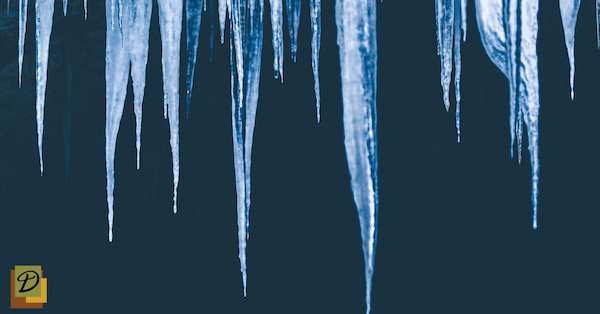
If you spot a row of icicles hanging off your roofline after a freeze, that is often the first visible sign of an ice dam. The biggest underlying cause is poor attic ventilation. Ventilation lets trapped warm air vent outward so your roof surface stays at a consistent temperature. When warm air pools under the deck, snow melts unevenly, refreezes at the eaves, and pushes shingles and flashing apart. Over time, that wear opens up roof leaks that show up as ceiling stains long after the ice has melted.
Do You Need to Remove Snow From Your Roof in Austin?
In most cases, no. A well-installed, well-ventilated roof should not need snow removed unless conditions become truly unusual. The pitched roofs on most Austin homes are designed for snow to slide off or melt gradually and drain through the gutters.
The exception is a very old roof or a flat roof that has begun to sag, where accumulation can linger and add load. Even then, climbing up to clear snow is dangerous and usually unnecessary. The safer fix is building the roof to manage moisture on its own from the start.
| Roof type | Snow and ice risk | Recommended action |
|---|---|---|
| Newer pitched roof | Low | No removal needed; verify ventilation |
| Aging pitched roof | Moderate | Schedule an inspection before winter |
| Flat or low-slope roof | Higher | Monitor for pooling and sagging |
| Roof with poor ventilation | Higher | Add ventilation and attic insulation |
How Can You Prevent Snow and Ice Roof Damage?
The best defense against snow and ice damage is preventing the melt-and-refreeze cycle before it starts. That comes down to your roof working as a system rather than relying on snow removal after the fact.
- Proper attic ventilation so warm air vents out and the roof surface stays an even temperature.
- A well-insulated attic that keeps household heat from reaching the roof deck and melting snow from below.
- Clean gutters and downspouts so meltwater drains freely instead of pooling and refreezing at the edge.
Together, ventilation, insulation, and clear drainage stop the uneven melting that creates ice dams. This matters in Central Texas because our winters swing fast, a hard freeze or freezing rain can follow a mild week, and that whiplash is exactly what drives freeze-thaw damage. A professional roof inspection can confirm your ventilation and insulation are doing their job before the next cold snap.
When Should You Call a Roofer About Winter Damage?
If you see leaks or fresh water stains inside your home during or after icy weather, snow and ice may already be working under your shingles. Other warning signs include icicles forming along the roofline, lifted or missing shingles after a freeze, and damp spots in the attic. These point to ventilation problems or compromised flashing that will only worsen with each freeze-thaw cycle.
Rather than climbing onto an icy roof yourself, have a professional inspect it safely and tell you whether you need a targeted repair or, for an older worn-out roof, a full replacement. Driftwood Builders Roofing has been GAF Master Elite certified since 2005 and serves Austin and Central Texas communities including Cedar Park, Round Rock, Leander, Georgetown, and Kyle. We offer free estimates, never ask for a deposit, and can assist with insurance claims when storm damage is involved. If winter weather has you worried about your roof, request a free estimate and we will take a look.
Frequently Asked Questions
How much snow can a roof hold before it is a problem?
A sound, well-built roof can typically handle a significant load, often up to about 4 feet of snow. In Central Texas we rarely approach that amount, so snow weight is seldom the real concern. The bigger risks here are ice and the melt-and-refreeze cycle.
What causes ice dams on a roof?
Ice dams are usually caused by poor attic ventilation and insulation. Warm air escaping into the attic melts snow on the upper roof, the water runs to the colder eaves and refreezes, and the resulting ice ridge backs water up under your shingles.
Do I need to remove snow from my roof in Austin?
Most of the time, no. A properly ventilated pitched roof lets snow slide off or melt and drain on its own. Snow removal is mainly a concern for very old or flat roofs that are sagging, and even then climbing up is dangerous and best left to a professional.
Can freezing rain damage my roof more than snow?
Yes, in Austin freezing rain and ice are often more damaging than snow. Water that freezes inside small cracks and seams expands and pries roofing materials apart, and ice that refreezes at the edges drives leaks under shingles and flashing.
How do I prevent winter roof damage?
Combine good attic ventilation, solid insulation, and clean gutters so meltwater drains instead of pooling and refreezing. This system keeps the roof at an even temperature and prevents the uneven melting that forms ice dams. A pre-winter inspection helps confirm everything is working.
Driftwood Builders Roofing is more than just a roofing crew. It’s a company built into the Austin community. You can read about the local causes and neighbors supported through our Community Giveback program, see the industry recognition covered on our Awards page, and check out where we’ve been mentioned in local press on the Featured In page. We’ve also partnered with trusted local businesses, including Austin Skyline Cleaning, to make caring for your property easier, and you can browse examples of our finished work on the Projects page. For homeowners who want to understand roofing before making decisions, our Free Roofing Education video library and Knowledge Center cover the basics in plain language, and our full Terms & Conditions are always available for anyone requesting a quote.
Our service area covers a wide stretch of Central Texas. See the full list on our Roofing Service Areas page, including coverage in Liberty Hill and North San Antonio. If cost is a concern, we offer roof financing options to help spread out the expense, and dedicated wind damage roof repair service for storm-related issues. Two free tools can also help you plan ahead: our Siding Pricing Calculator gives you an instant estimate, and our insurance deductible calculator helps you understand what you’d actually owe out of pocket on a storm damage claim.
We’ve also put together a set of in-depth guides on two topics that affect almost every roof: ventilation and flashing. Learn what every homeowner should know about roof ventilation, how insufficient ventilation decreases roof lifespan, and whether your home needs better ventilation in the first place. We also cover why a professional roof inspection matters, how to extend the lifespan of asphalt shingles with proper ventilation and insulation, and the details of inspecting and maintaining roof flashing, including how to tell whether a flashing issue comes from installation or material breakdown.

Author: Driftwood Builders Roofing
Driftwood Builders Roofing is a family-owned residential roofing company headquartered in Manchaca, Texas, serving Austin and the surrounding Hill Country since 2005. The company has delivered 3,700 full roof replacements and 783 repairs across 3,559 different customers over 20 years in business, with 97 years of combined construction experience across the leadership team and 74 years specifically inside Driftwood Builders. The company holds the highest contractor certifications offered by the major shingle manufacturers, including GAF Master Elite Contractor (the top 3% of GAF contractors nationally), GAF Certified Green Roofer, Owens Corning certified, TAMKO Pro Certified Contractor, and a Berridge Roof Installation Seminar Certificate for standing-seam metal roofs. Driftwood is an NRCA member, holds an Angie's List Super Service Award, is BBB Accredited, and is a GuildQuality member for verified customer satisfaction data. James Hardie certification covers the siding side of the business. Services include residential roof replacement, leak and storm-damage repair, tile roof repair, metal roofing, TPO commercial roofing, roof inspections, hail and storm damage inspections with insurance claim assistance, gutter work, and James Hardie siding. The customer-protection policy is straightforward: Only Pay Upon Completion. The company serves 22 cities across the Hill Country and Greater Austin and holds a 5-star rating across Google, GuildQuality, Angi, Nextdoor, Facebook, Thumbtack, and Yelp.
