
Founder & Roofing Expert
Todd Munsinger
20+ years of roofing experience and more than 35 years of experience building homes.
More about Todd ›
Behind every Driftwood Builders Roofing project are roofing professionals with decades of hands-on experience in roof replacement, roof repair, storm damage and home construction across Austin and Central Texas.
20+ years of roofing experience and more than 35 years of experience building homes.
More about Todd ›

20 years of roofing and construction experience.
More about Tom ›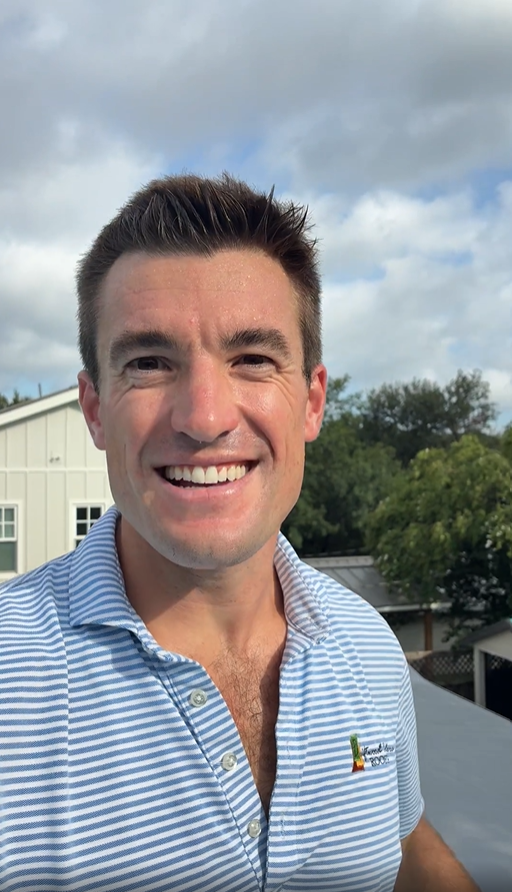
The People Behind the Work
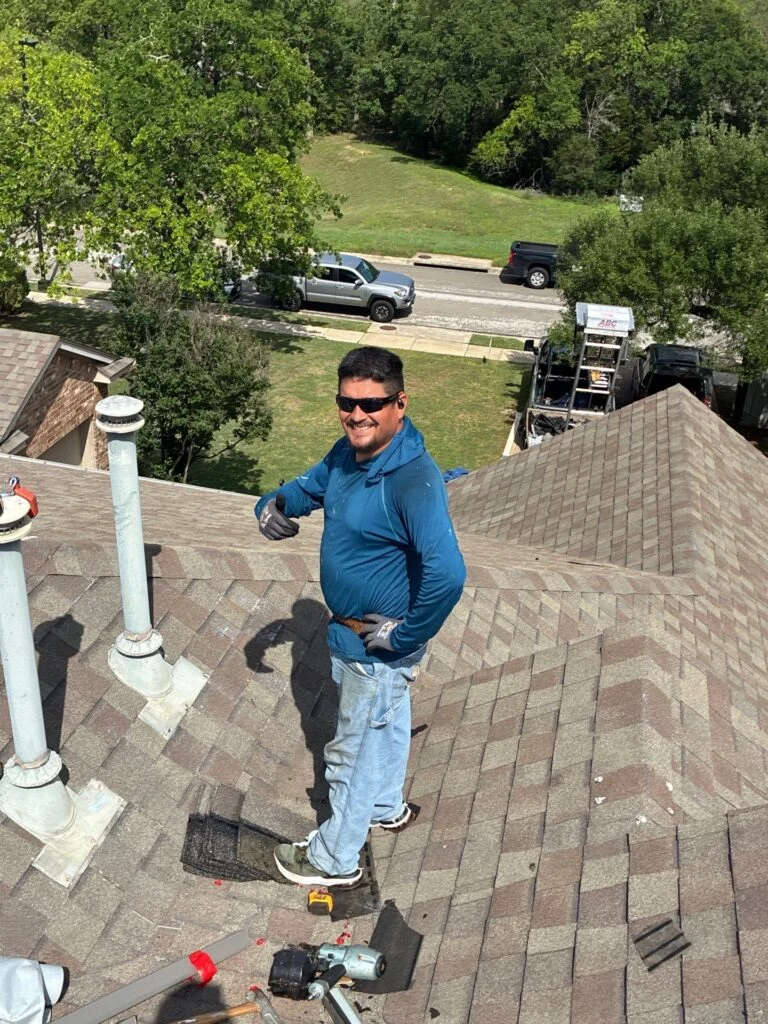
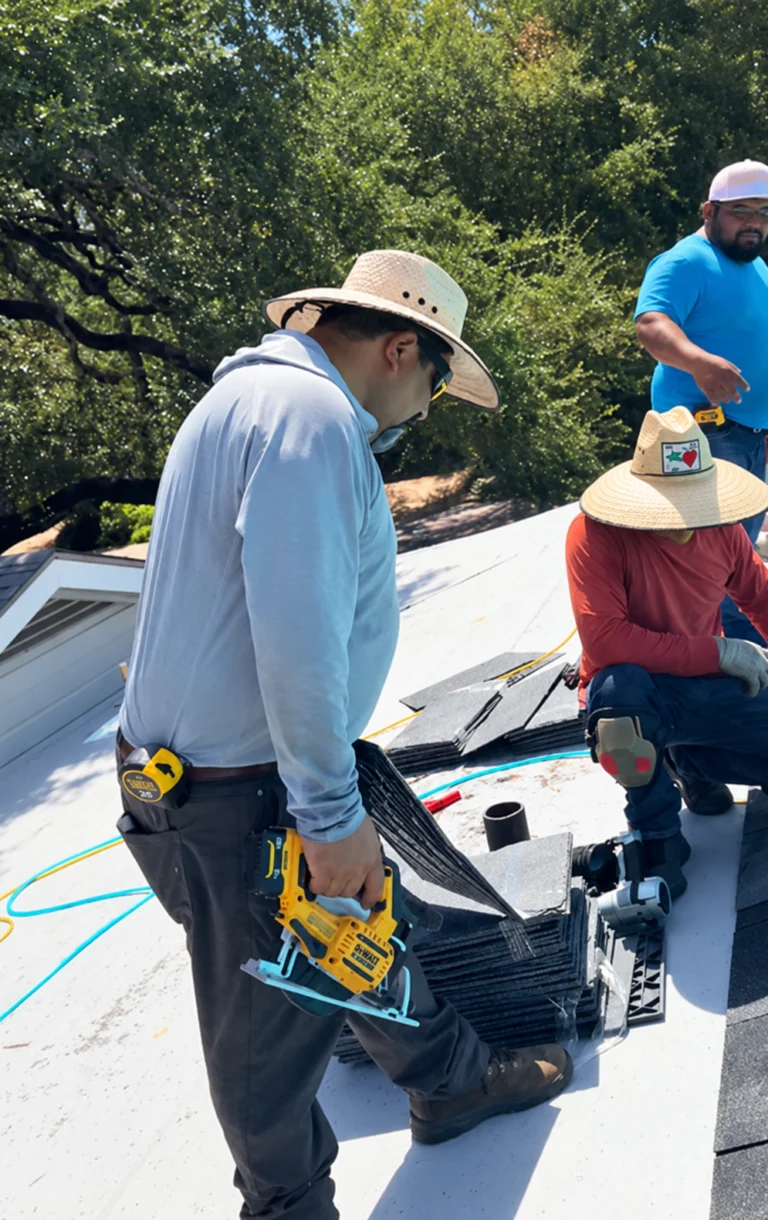
Your roof is installed under the supervision of experienced Driftwood crew leaders who have each worked with us for more than a decade.
No other roofing company in Austin has been independently quoted as a roofing or home-services expert by more major media outlets than Driftwood Builders Roofing.
Journalists and editors have independently turned to Driftwood Builders Roofing for expert commentary on roofing, storm damage, windows, siding, home maintenance, construction and other home-services topics.
Yahoo and MSN republished the Southern Living and Realtor.com articles through syndication; they are shown for reach, not as separate interviews.
All above media commentary was obtained through expert insight and editorial coverage. None of it was paid for.
Our team answers roofing and exterior questions every day for homeowners across Austin and Central Texas. Below are straightforward answers to some of the questions we hear most often, along with deeper Driftwood resources and independent publications that have turned to our team for related expertise.
A typical roof replacement in Austin runs about $10,000 to $18,000 for architectural asphalt shingles, while metal roofing commonly runs $18,000 to $30,000 or more, based on our 2026 Austin cost guide. Every roof is measured and priced on its own conditions, so what moves a quote within or beyond those ranges is the roof’s size, its pitch and complexity, the material, how many layers must be torn off, the condition of the decking, and the flashing and penetrations such as skylights, chimneys and vents.
Across the Austin area, asphalt shingle roofs commonly last about 15 to 20 years, even though architectural shingles are often rated for 25 to 30 years under favorable conditions. Central Texas heat and UV age shingles faster, a poorly ventilated attic bakes them from below, and accumulated hail, wind and storm debris take their toll. Careful installation and simple maintenance, like clean gutters and sound flashing, are what push a roof toward the upper end of its range.

Realtor.com quoted Nicholas Riley on budgeting for an aging home: he said an asphalt shingle roof has a life expectancy of about 20 years, and described treating a future roof replacement as a yearly expense spread across the roof’s remaining life. Read Nick Riley’s advice on budgeting for an aging roof in Realtor.com.
Repair a roof that is relatively new with damage in one area; replace one that is older and failing in several places. In Austin, asphalt shingle roofs average around 15 to 20 years, so a newer roof with a worn pipe boot or a few wind-torn shingles is usually a repair. Recurring leaks, damage across several slopes, widespread storm damage or soft, rotted decking on an older roof usually cost less to replace once than to keep patching. The decision should come from an inspection of that specific roof, not a guess from the ground.
Realtor.com quoted Nicholas Riley on a pattern he sees when starter homes are sold: a seller pays about $1,200 for bare-minimum roof repairs instead of $20,000 for a full replacement, and it is “only a matter of time” before the buyer has to replace the roof. Read Nick Riley on minimal roof repairs in Realtor.com.
Hail damage on a shingle roof looks like round marks of a fairly consistent size where the hit has knocked granules away to expose the asphalt, or has bruised or cracked the shingle. Start from the ground: look for small, evenly sized dents on gutters, downspouts, vents and other soft metals, and for shingle granules washed out near downspout outlets. A straight line of marks or one oversized dent usually means something else hit the surface. After a significant hailstorm, photograph what you find and have the roof professionally inspected.
Have a professional inspect your roof once a year, and again after any major hail or high-wind storm. Older roofs, previously repaired roofs and homes in Central Texas hail and wind corridors are worth checking twice a year, in spring and fall. A thorough inspection covers the roof surface, flashing, vents and other penetrations and the attic, looking for missing, cracked or lifted shingles or tiles, deteriorated flashing, loose fasteners and signs of earlier leaks. It should leave you with dated photos you keep whether or not you hire anyone.

The Zebra interviewed Nicholas Riley for its guide to the rising cost of putting off home repairs. In its fall checklist, Riley advises homeowners to look for and repair missing, cracked, lifted or damaged shingles or tiles, deteriorated flashing, loose fasteners and signs of previous leaks; the guide itself recommends a professional roof inspection at least annually and after severe storms. Read Nick Riley’s roof-inspection checklist in The Zebra.
Originally published by The Zebra and syndicated through Stacker to outlets including AOL, KIRO 7 Seattle and Boston 25 News.
Most roof leaks start where water is concentrated or the roof is interrupted, not in the middle of an open slope. The usual causes are flashing that gets overwhelmed when a large section of roof drains to one spot, rubber pipe boots that turn brittle after 10 to 15 years of Central Texas weather, worn or lifted shingles, and valleys or gutters clogged with debris, so water backs up under the roofing. Water also travels before it shows up inside, so the stain on your ceiling is rarely directly below the cause. Good leak diagnosis works backward from the roof, not the stain.

Insure.com quoted Nicholas Riley on how a poorly maintained roof fails: debris in the valleys traps water that backs up under the shingles and comes through the ceiling below, worn or lifted shingles give wind an edge to peel, gaps and rotted decking let animals into the attic, and overhanging branches puncture the surface when they come down. Read Nick Riley on roof maintenance and leaks in Insure.com.
Originally published by Insure.com and syndicated through Stacker to outlets including KIRO 7 Seattle, Boston 25 News and WSB-TV Atlanta.
Keep the roof draining and catch small problems early: clear leaves and debris from valleys and gutters, cut back branches that touch or hang over the roof, and have the roof checked once a year for missing, cracked or lifted shingles and worn flashing. Small issues are inexpensive to fix before water reaches the decking and drywall, and expensive after. On one customer’s tile roof, leaves left in a valley led to a $6,300 repair that simply cleaning the valley would have prevented. Leave the climbing to a professional: a fall costs far more than any repair.
In The Zebra’s guide to the cost of putting off home repairs, Nicholas Riley advises cutting back branches that touch or hang over the roof and removing leaves collecting in valleys and drainage areas, and describes a customer’s tile roof where valley debris led to a $6,300 repair. Read Nick Riley’s deferred-maintenance example in The Zebra.
Originally published by The Zebra and syndicated through Stacker to outlets including AOL, KIRO 7 Seattle and Boston 25 News.
It depends on why the roof is leaking. Homeowners policies generally cover sudden, accidental damage from a covered event such as hail or wind, but not leaks caused by wear, age, deterioration or a lack of maintenance; as the Texas Department of Insurance puts it, insurers won’t pay for a new roof just because it’s old or worn out. A roof that goes into storm season with debris in its valleys, lifted shingles or open gaps gives an adjuster room to treat resulting damage as a maintenance issue. Coverage always depends on your own policy, so confirm the details with your carrier or agent. Our part is keeping the roof documented and in good repair.
Insure.com’s guide to how fall maintenance can prevent a costly winter claim quoted Nicholas Riley on the roof problems poor maintenance leads to, from valley debris that backs water up under the shingles to lifted shingles that leave the decking exposed to hail. Read Nick Riley’s roof-maintenance advice in Insure.com. Separately, The Zebra’s guide to deferred home repairs, in which Riley was interviewed, quotes the Insurance Information Institute that insurance covers sudden and accidental losses, not neglect.
Originally published by Insure.com and syndicated through Stacker to outlets including KIRO 7 Seattle, Boston 25 News and WSB-TV Atlanta.
Choose a company with a long local track record, verified insurance, reviews and references you can check, and a clear written scope and warranty. Texas does not license roofers and storm seasons attract crews that leave once the work is done, so confirm general liability and workers’ comp insurance, manufacturer certification where it applies, and that the contractor pulls the permit in its own name. Ask for photos of previous work, how damaged decking is handled, who will actually supervise your installation, and how the company handles problems when something goes wrong.

Southern Living interviewed Nicholas Riley of Driftwood Builders Roofing about how homeowners can vet contractors, including questions about crew experience, references, previous work and how contractors respond when problems occur. Read Nick Riley’s contractor-vetting advice in Southern Living.
For most Austin attics, aim for roughly R-38 to R-60, the range the U.S. Department of Energy recommends for our climate zone. Attic temperatures here can climb well past 130 degrees in summer, so the insulation has to do a lot of work to slow heat moving into the living space. Seal air leaks at plumbing and electrical penetrations, the attic hatch and recessed fixtures first, and keep insulation clear of the soffits: insulation packed against the eaves blocks the intake air your attic ventilation depends on, trapping heat and moisture that can age the roof from below.

Bob Vila’s attic-insulation guide quoted Nicholas Riley on air sealing, batt versus blown-in insulation, Austin attic insulation levels of generally R-38 to R-60 given summer attic temperatures above 130°F, and the common mistake of insulation pushed so tightly against the soffits that airflow suffers. Read Nick Riley’s attic insulation guidance in Bob Vila.
Questions about older homes, windows, fire resistance and construction, where publications have quoted our team. Each citation links to the original article.
Look past the cosmetic issues and follow the water. The most expensive surprises we find on older Austin homes are the ones a coat of paint or a fresh patch can hide: water that has worked behind stucco or siding through failed flashing, rot in trim, soffits and fascia, and an aging roof that got the minimum repair needed to sell. Once stucco or damaged siding comes off, we often find deteriorated sheathing, rotted framing, wet insulation, mold or flashing that was never installed correctly, and the visible crack is usually much smaller than the work behind it.
Before you make an offer, find out how old the roof, siding and windows are and budget for the life they have left. Paint that is unusually fresh in one spot, mismatched shingles, thick sealant and patches in several roof areas are all worth a closer look, and a professional inspection should establish where any moisture got in and how far it went.
Realtor.com quoted Nicholas Riley in its article on the hidden remodel costs of starter homes. He described what often turns up once stucco is removed (deteriorated sheathing, rotted framing, wet insulation, mold and improperly installed flashing), how sellers may pay for a minimal roof repair instead of a full replacement, how fresh paint can cover outdated siding and water stains, and how he would budget for an aging roof as a yearly future expense. Read Nick Riley on hidden remodel costs in Realtor.com.
Choose the installer first and the window second. Across Austin, many companies install the same or very similar windows, so the product is rarely what separates a good job from a bad one. Most of the window failures we open up aren’t the window itself. They’re the water management around the opening. An opening that was only caulked, rather than flashed with a sill pan and head flashing lapped over the water-resistive barrier, eventually lets water behind the trim, and a new window set into a bad opening will fail the same way the old one did.
So compare contractors as carefully as you compare products: how long they have worked locally, what their workmanship warranty covers in writing, and exactly how they will flash and seal each opening. Choose the frame material that suits your home and budget, and choose the installer for the work you will never see.

In its review of Lowe’s window installation, USA Today quoted Nicholas Riley’s expert tip: because Austin companies largely install the same or very similar windows, a contractor’s reputation and workmanship warranty are “ten times more important than the window itself.” Read Nick Riley’s window-installation tip in USA Today.
Start by being careful with the word “fireproof.” In residential construction almost nothing is truly fireproof in every situation, and treating a product that way can give homeowners a false sense of security. The realistic goal is a house that resists fire better, and some of the most useful steps are small. Screen the vents in your soffits, gables and roof so embers have no easy way into the attic, without blocking the ventilation the attic needs to breathe. Then look at what touches the house: wood fences, decks and pergolas can act like a fuse leading right to the structure, and even a small noncombustible break between a wood fence and the wall helps.
When it’s time to re-side or re-roof, the material and the installation both matter. Fiber cement is one of the most practical siding options for many homeowners, because it gives the look of wood siding without a combustible wood product. But gaps, exposed wood trim, poorly detailed seams and bad transitions around windows, doors and eaves can create weak points even when the siding itself is fire-resistant. The same is true on the roof: if the underlayment, decking, flashing, vents, penetrations and roof edges are detailed wrong, the fire rating on the brochure doesn’t mean nearly as much. That’s why installation details and contractor experience matter just as much as the fire-resistance rating of the materials themselves.

Family Handyman quoted Nicholas Riley in its guide to protecting a home from fire. He cautioned homeowners about the word “fireproof” and commented on screening attic vents against embers without blocking ventilation, creating a noncombustible break between wood fences and the house, fiber-cement siding, siding installation details and roof craftsmanship. Read Nick Riley’s fire-resistance advice in Family Handyman.
Mostly because homeowners are taking more time to plan. During the pandemic-era building boom, people moved on new construction roughly five times faster than they do now. In 2026 we’ve seen more homeowners buying land, planning homes and pulling permits, but many spend months in the planning stage before a crew is ever scheduled. Activity has been picking up month by month, just at a measured pace.
Once a build is underway, the roof follows the rest of the project. It goes on after framing and sheathing are complete and is sequenced around inspections and the other trades, so the roofing date moves with the build. Labor availability across the construction trades can shift schedules too. If you’re planning a new home, addition or detached structure, bring your roofer in early, build some slack into the timeline, and ask how the roof will be sequenced with framing and inspections.

Roofing Contractor interviewed Nick Riley for its August 2026 report on falling housing starts and rising building permits. He said homeowners are planning and permitting new homes but moving far more slowly than during the pandemic-era boom, with activity gradually increasing and more inquiries from homeowners planning to build. Read Nick Riley on the new-construction outlook in Roofing Contractor. Separately, HousingWire quoted Riley in its August 2026 report on residential construction labor in Texas, including how crew availability affected his company’s scheduling. Read Nick Riley on construction labor in HousingWire.