Prevent and Repair Roof Damage Caused by Animals
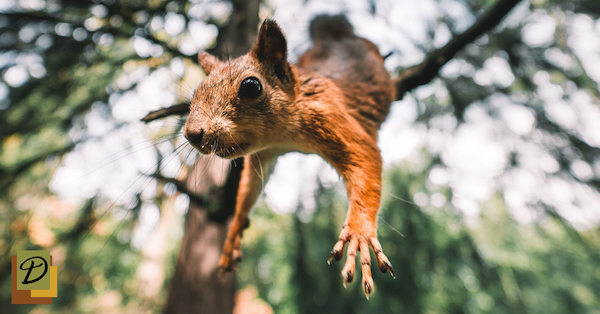
What causes roof damage from animals, and why does it spread so fast?
Roof damage caused by animals happens when wildlife uses your roof for access, shelter, or nesting and tears through the materials protecting your home. A roof sits outdoors year round, so it sees a steady stream of visitors: birds, squirrels, raccoons, lizards, mice, bats, and insects. Each one leaves a mark, from chewed fascia to lifted shingles to holes around vents.
The real danger is what comes after. A small gnawed gap or a few missing shingles lets water in, and in Central Texas that water meets intense summer heat. The result is mold, wood rot, and ruined attic insulation that spreads well beyond the original opening. What starts as a squirrel-sized hole can become a major repair in a single season. As your local Austin roofing company, we see these problems most often in older homes and neighborhoods with heavy tree cover like Lakeway and Cedar Park.
Which animals get on Austin roofs and how do they cause damage?
Different critters do different kinds of harm, so knowing what is on your roof tells you what to look for. Newer roofs hold up better, but no roof is immune. Here is how the most common Central Texas culprits behave.
| Animal | How it gets up | Typical damage |
|---|---|---|
| Squirrels and rats | Tree branches, wires, downspouts | Chewed fascia, gnawed holes, attic nesting |
| Raccoons | Branches, gutters, weak roof edges | Torn shingles, ripped vents, large attic entry holes |
| Birds | Flight, ridge gaps, open vents | Clogged gutters, nests in vents, droppings that corrode metal |
| Bats | Gaps under flashing and tiles | Roost colonies, guano buildup, odor and staining |
| Lizards and insects | Walls, vents, small cracks | Entry into soffits, attracting larger predators |
In our area, oak and cedar canopies give squirrels and raccoons an easy highway onto the roof, while open or unscreened vents invite birds and bats year round.
How do you prevent roof damage caused by animals?
You prevent roof damage caused by animals by cutting off the paths they use to climb up and the openings they use to get in. A few practical steps handle most of the risk.
- Trim trees and vegetation. Branches are the number one animal highway. Cut them back at least 6 to 8 feet from the roofline and clear vines or shrubs that touch the house.
- Cover downspouts and gutters. Open downspouts and clogged gutters give critters a ladder. Install gutter guards and downspout screens to block the climb.
- Slip-proof wires and cables. Lines running to the roof double as runways. Housing them in slick PVC or baffle guards stops squirrels and rats from walking up.
- Install caps and screens. Chimney caps, vent covers, and ridge vent screens close the openings animals target most.
- Seal gaps and missing shingles. Inspect for holes, lifted shingles, and gaps in flashing, then seal them with galvanized wire mesh or proper repairs before anything moves in.
A professional roof inspection can pinpoint the access points you cannot see from the ground.
How do you repair roof damage that animals have already caused?
If wildlife has already gotten in, repair the damage promptly so water and rot do not follow. The order of work matters.
- Confirm the animals are gone. Never seal an opening with a nesting animal still inside. Make sure the roost or den is empty first, especially with bats and raccoons, which are protected at certain times of year.
- Remove nesting material and debris. Clear out nests, droppings, and chewed insulation, which carry odor, pests, and health risks.
- Replace damaged components. Swap out torn or missing shingles, repair chewed fascia and soffit, and reseal flashing around vents and the chimney.
- Screen and seal openings. Cover vents, gaps, and entry holes with durable wire mesh and add chimney caps so the same spot is not reused.
- Check the attic. Look for water stains, damp insulation, and daylight showing through the deck, which signal hidden damage.
For widespread chewing or water intrusion, a targeted roof repair restores the system before a small problem turns into a full replacement.
Why does animal roof damage matter more in Central Texas?
The Austin climate makes animal damage worse than it would be elsewhere. Intense summer heat bakes exposed decking once shingles are torn away, while spring storms drive rain straight into gnawed holes and lifted flashing, accelerating rot and mold inside the openings animals create.
Heavy tree cover across Round Rock, Georgetown, Leander, Pflugerville, Buda, and Kyle gives squirrels and raccoons constant rooftop access, and our mild winters keep wildlife active year round. That is why regular checks and quick repairs matter so much here.
Driftwood Builders Roofing has served Austin and Central Texas as a GAF Master Elite contractor since 2005. We offer free estimates, never ask for a deposit, and handle both residential and commercial roofs. If animals have damaged your roof, request a free estimate and we will inspect the damage and recommend the right fix.
Frequently Asked Questions
What animals cause the most roof damage in Austin?
Squirrels and raccoons cause the most roof damage in the Austin area because they climb tree branches onto the roof and tear, chew, and burrow into attic spaces. Birds, bats, rats, and lizards also cause problems by nesting in vents, gaps, and soffits.
How do I know if animals are living in my roof or attic?
Common signs include scratching or scurrying noises, droppings in the attic, chewed insulation or wiring, torn shingles, and water stains on ceilings. Daylight showing through the roof deck or a strong odor often means an active entry point.
Can I seal an animal entry hole myself?
You can seal small gaps with galvanized wire mesh, but only after confirming no animal is trapped inside, since sealing in wildlife creates odor and structural problems. For roof-level holes, torn shingles, or damaged flashing, a professional repair is safer and longer lasting.
Does homeowners insurance cover roof damage from animals?
Most standard homeowners policies exclude damage from rodents, birds, and insects because it is considered preventable through maintenance. Sudden damage from larger wildlife is sometimes covered, so check your policy and document the damage with photos before filing.
How often should I have my roof inspected for animal damage?
An annual roof inspection is recommended, plus a check after major storms, which can open gaps that wildlife then exploits. Regular inspections catch missing shingles, chewed fascia, and unscreened vents before animals turn them into bigger problems.
Author: Driftwood Builders Roofing
Driftwood Builders Roofing is a family-owned residential roofing company headquartered in Manchaca, Texas, serving Austin and the surrounding Hill Country since 2005. The company has delivered 3,700 full roof replacements and 783 repairs across 3,559 different customers over 20 years in business, with 97 years of combined construction experience across the leadership team and 74 years specifically inside Driftwood Builders. The company holds the highest contractor certifications offered by the major shingle manufacturers, including GAF Master Elite Contractor (the top 3% of GAF contractors nationally), GAF Certified Green Roofer, Owens Corning certified, TAMKO Pro Certified Contractor, and a Berridge Roof Installation Seminar Certificate for standing-seam metal roofs. Driftwood is an NRCA member, holds an Angie's List Super Service Award, is BBB Accredited, and is a GuildQuality member for verified customer satisfaction data. James Hardie certification covers the siding side of the business. Services include residential roof replacement, leak and storm-damage repair, tile roof repair, metal roofing, TPO commercial roofing, roof inspections, hail and storm damage inspections with insurance claim assistance, gutter work, and James Hardie siding. The customer-protection policy is straightforward: Only Pay Upon Completion. The company serves 22 cities across the Hill Country and Greater Austin and holds a 5-star rating across Google, GuildQuality, Angi, Nextdoor, Facebook, Thumbtack, and Yelp.
