Why Does my Roof Only Leak Sometimes?
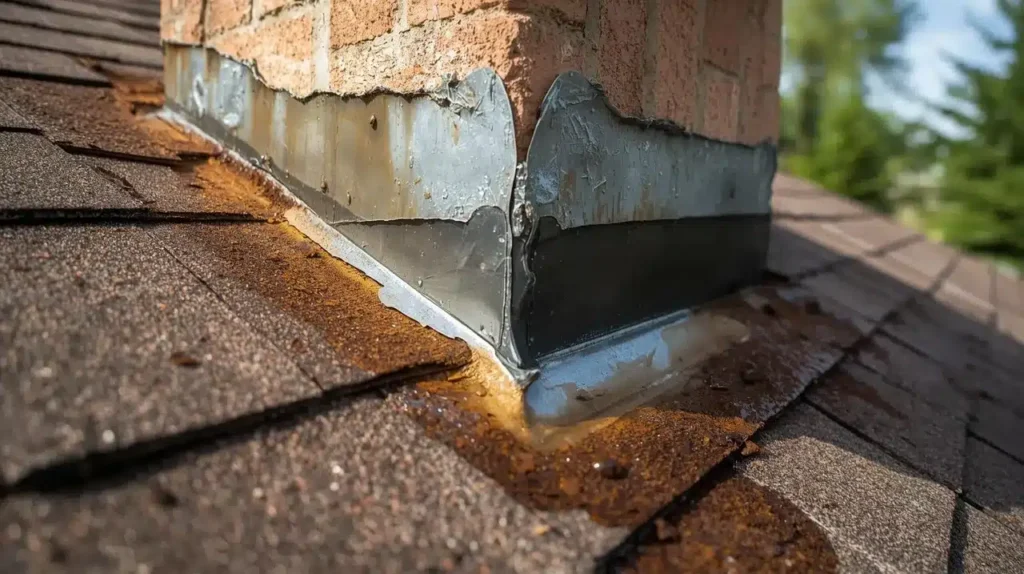
Why does my roof only leak sometimes instead of every time it rains?
If you have ever wondered why does my roof only leak sometimes, the answer is that the leak has a specific trigger rather than a wide-open hole. A roof is made of many overlapping parts, and Central Texas weather, intense summer heat, spring hail, and straight-line winds, works on those parts until small gaps form. Water only reaches your ceiling when conditions line up just right.
A few common triggers explain the on-again, off-again pattern:
- Wind direction. A straight-down rain may shed normally, but wind-driven rain from the south or west pushes water sideways under shingles or flashing.
- Rain intensity. A light shower drains fine, while a heavy Austin downpour overwhelms clogged gutters and forces water back under the roof edge.
- Water path. Water can travel several feet along a rafter before dripping, so the stain in your kitchen may sit far from the entry point.
Because the leak hides until the weather cooperates, a trusted Austin roofing company looks at the whole system, not just the spot where water appears.
What are the most common causes of an intermittent roof leak?
Most sporadic leaks trace back to a handful of weak points. Any one of these can stay dry for weeks, then leak the moment wind and rain hit from the wrong angle.
- Cracks and holes in shingles. Small spots deteriorate over time, and water slowly pools or gets blown into them until the gap grows large enough to leak.
- Broken, torn, or missing shingles. Older roofs and those that survived a hail or wind storm often have damage that only leaks under certain conditions.
- Damaged flashing. Flashing seals the joints around chimneys, walls, and valleys. When it shifts or separates, moisture sneaks in at specific angles.
- Skylights and vents. Gaskets and plastic housings age, crack, and pull away, creating inconsistent leaks around these penetrations. With a skylight the unit itself is often not what failed, so we break down the five things that actually cause skylight leaks.
In our experience across Cedar Park, Round Rock, and Georgetown, flashing and aging penetrations cause the trickiest intermittent leaks because they only fail when water runs a particular way. A targeted roof repair usually solves the problem once the source is confirmed.
How does Central Texas weather make leaks come and go?
Austin and the surrounding Hill Country put roofs through a wide range of stress, which is why a leak can appear one storm and vanish the next.
Intense summer heat bakes shingles, dries out sealants, and lifts edges, creating gaps that stay invisible until rain finds them. Spring hail bruises or punctures shingles in ways you cannot see from the ground. Straight-line winds then drive rain under those weak spots. The table below shows how different weather events produce different leak patterns.
| Weather event | How it triggers a leak | When you notice it |
|---|---|---|
| Summer heat and UV | Dries sealant, lifts shingle edges | Next heavy rain after a dry spell |
| Spring hail | Bruises or punctures shingles and vents | Storms following the hail event |
| Straight-line wind | Drives rain sideways under shingles and flashing | Only with rain from a certain direction |
| Heavy downpour | Overwhelms clogged or undersized gutters | During the heaviest rainfall |
If a recent storm preceded your leak, document the date and conditions. That timeline helps with both diagnosis and any storm damage and insurance claim conversation later.
How do you find where a roof is leaking from when it only happens sometimes?
Finding an intermittent leak takes patience because the roof looks fine most of the time. When the source is hidden and the leak is infrequent, a methodical inspection beats guesswork.
- Inside the attic. We look for water stains, rusted nails, damp insulation, and daylight showing through the decking.
- Under the roofline and at penetrations. We trace likely paths down rafters and check around chimneys, vents, skylights, and flashing.
- On the roof surface. We inspect shingles, valleys, and sealants for cracks, lifting, or storm damage.
- Controlled water testing. When needed, we run water over isolated sections to recreate the leak and confirm the exact entry point.
Your notes help a lot. Pay attention to which direction the wind blew, how hard it rained, and where water first appeared. A professional roof inspection turns those clues into a confirmed source so the repair fixes the real problem instead of a symptom.
Can I ignore an intermittent leak, and how do I prevent future ones?
No, you should not ignore an intermittent leak. Even a leak that appears once a month allows water into your attic and walls, where it quietly feeds rot, stains, and mold long before damage shows on your ceiling. Small, occasional leaks almost always grow.
You can lower your risk of surprise leaks with a few habits suited to Central Texas:
- Schedule a roof inspection once a year and after any major hail or wind storm.
- Keep gutters and downspouts clear so heavy downpours drain instead of backing up under the roof edge.
- Address aging flashing, sealant, and worn shingles early, before the next storm exposes them.
- Trim overhanging branches that scrape shingles in high winds.
Driftwood Builders Roofing has served Austin and Central Texas as a GAF Master Elite contractor since 2005, with free estimates and no deposit required on labor or materials. If your roof only leaks sometimes and you want a clear answer, request a free estimate and we will track the source for you.
Frequently Asked Questions
Why does my roof leak only when it rains hard or from one direction?
A hard or wind-driven rain pushes water sideways under shingles and flashing, reaching gaps that a gentle, straight-down rain never touches. Heavy downpours also overwhelm clogged gutters, forcing water back under the roof edge.
Can a roof leak appear far from where the water actually gets in?
Yes. Water often travels several feet along a rafter or down the decking before it drips, so a stain on your kitchen ceiling can sit far from the true entry point on the roof.
Is an intermittent roof leak an emergency?
It is not always an emergency, but it should never be ignored. Even occasional water intrusion can rot decking, ruin insulation, and grow mold inside walls, so have the source found and repaired promptly.
How do professionals find a leak that only happens sometimes?
They inspect the attic, the roofline, and the roof surface, then use controlled water testing to recreate the leak on demand. Recreating it confirms the exact entry point instead of relying on guesswork.
Does Driftwood Builders Roofing charge for a leak inspection or estimate?
Driftwood Builders Roofing offers free estimates and does not ask for a deposit on labor or materials. As a GAF Master Elite contractor serving Austin and Central Texas, we provide clear options once we confirm the leak source.
Book a Leak Inspection

Author: Driftwood Builders Roofing
Driftwood Builders Roofing is a family-owned residential roofing company headquartered in Manchaca, Texas, serving Austin and the surrounding Hill Country since 2005. The company has delivered 3,700 full roof replacements and 783 repairs across 3,559 different customers over 20 years in business, with 97 years of combined construction experience across the leadership team and 74 years specifically inside Driftwood Builders. The company holds the highest contractor certifications offered by the major shingle manufacturers, including GAF Master Elite Contractor (the top 3% of GAF contractors nationally), GAF Certified Green Roofer, Owens Corning certified, TAMKO Pro Certified Contractor, and a Berridge Roof Installation Seminar Certificate for standing-seam metal roofs. Driftwood is an NRCA member, holds an Angie's List Super Service Award, is BBB Accredited, and is a GuildQuality member for verified customer satisfaction data. James Hardie certification covers the siding side of the business. Services include residential roof replacement, leak and storm-damage repair, tile roof repair, metal roofing, TPO commercial roofing, roof inspections, hail and storm damage inspections with insurance claim assistance, gutter work, and James Hardie siding. The customer-protection policy is straightforward: Only Pay Upon Completion. The company serves 22 cities across the Hill Country and Greater Austin and holds a 5-star rating across Google, GuildQuality, Angi, Nextdoor, Facebook, Thumbtack, and Yelp.
