How Do You Install Skylights in an Existing Roof?
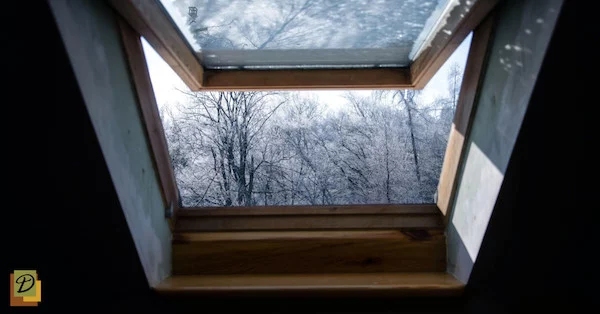
Can You Add a Skylight to an Existing Roof?
In most cases, yes, you can install skylights in an existing roof, but the right structure has to be in place first. A roofer or skylight specialist starts with a structural assessment to confirm the opening can be cut without weakening the framing. The key rule is simple: skylights go between the trusses or rafters, never through them, so the load path of your roof stays intact.
A few conditions determine whether your roof is a good candidate:
- Roof structure: there must be enough clear space between framing members to fit the skylight opening safely.
- Slope: a pitched roof sheds water well. Flat or very low-slope sections collect moisture and are a poor fit unless a special curb-mounted unit is used.
- Roofing material: asphalt shingles, tile, and metal each need specific flashing details to stay leak-free.
An experienced Austin roofing company can tell you within one visit whether your roof is ready for a skylight or whether modifications are needed first.
What Are the Steps to Install Skylights in an Existing Roof?
Installing a skylight in a finished roof is a precise job with no room for shortcuts. Rushed or sloppy work is the leading cause of leaking skylights, so each stage matters. Here is the typical process:
- Plan and measure: mark the opening between trusses from inside and out, checking for wiring, plumbing, and HVAC runs.
- Cut the opening: remove shingles and decking to expose the framing for the new opening.
- Frame the curb: build a level, square frame to support and seat the skylight unit.
- Set the skylight: position and fasten the unit to the curb per the manufacturer’s specs.
- Flash and seal: install step flashing, a head flashing, and proper underlayment so water is directed away from the unit.
- Reshingle and finish: weave new shingles into the surrounding roof and finish the interior light shaft.
Because flashing is where most leaks begin, this is the stage where professional experience pays off most.
Where Is the Best Place to Put a Skylight on Your Roof?
The best spot captures steady daylight, sits on a workable slope, and meets local building codes for wind, slope, and materials. Choose a roof section that is clear of valleys, chimneys, and vents, and not shaded by tall trees or a neighboring home.
Orientation also shapes the result, which matters in Central Texas where summer sun is intense:
- North-facing: soft, even daylight with the least heat gain, often the most comfortable choice for Austin homes.
- South-facing: the brightest light but the most heat, which can make a room uncomfortable during long Texas summers.
- East or west-facing: strong morning or afternoon light and glare at certain hours.
If summer heat is a concern, ask about low-E or solar-tinted glazing and a vented skylight that lets hot air escape near the ceiling.
How Do You Keep a Skylight From Leaking in Central Texas Weather?
A skylight stays watertight when it is flashed correctly and the surrounding roof is sound. Central Texas adds real stress: spring hail, straight-line winds, and heavy downpours all test the seal around a roof penetration. Skipping proper flashing or relying on caulk alone almost guarantees a leak over time.
The following details keep a skylight dry through Austin weather:
| Component | Why It Matters |
|---|---|
| Step flashing | Channels water down the sides of the curb instead of under the shingles. |
| Head and apron flashing | Diverts runoff around the top and bottom of the unit during heavy rain. |
| Self-adhered underlayment | Adds a second water barrier against wind-driven rain and ice. |
| Impact-rated glazing | Resists cracking from spring hail common across Central Texas. |
If you already see staining or dripping around a skylight, prompt roof and leak repair can stop interior damage before it spreads.
Why Hire a Professional to Install Skylights in Your Austin Home?
Installing a skylight touches structure, waterproofing, and finish carpentry at the same time, so it rewards trained, experienced hands. A professional confirms the framing, cuts the opening cleanly, flashes it to manufacturer and code standards, and ties it back into the roof so it looks built-in rather than added on.
Driftwood Builders Roofing brings this together for homeowners across Austin and Central Texas, including Cedar Park, Round Rock, Leander, Lakeway, Georgetown, Pflugerville, Buda, and Kyle. We are GAF Master Elite certified, we provide free estimates, and we never ask for a deposit on labor or materials.
Thinking about adding natural light to your home? Request a free estimate and we will assess your roof and walk you through every option.
Frequently Asked Questions
Can a skylight be added to any existing roof?
Most pitched roofs can accept a skylight, but flat or very low-slope sections are poor candidates because water tends to pool around the unit. A structural assessment confirms whether your framing allows an opening to be cut safely between the trusses.
How long does it take to install a skylight in an existing roof?
A standard residential skylight installation usually takes one to two days, depending on roof access, framing, and interior shaft finishing. Tile or metal roofs and custom light shafts can extend the timeline.
Will cutting into my roof for a skylight cause leaks?
Not when it is done correctly. Leaks come from poor flashing and rushed work, so a properly framed opening with step flashing, head flashing, and self-adhered underlayment keeps the skylight watertight through Central Texas storms.
Which direction should a skylight face in Austin?
North-facing skylights give soft, even light with the least heat gain, which is often most comfortable in Austin’s hot climate. South-facing units bring the brightest light but the most summer heat, so low-E or tinted glazing helps.
Does Driftwood Builders Roofing handle the whole skylight installation?
Yes. We manage the full process from structural assessment and framing to flashing, shingle work, and interior finishing. Estimates are free and we never ask for a deposit.

Author: Driftwood Builders Roofing
Driftwood Builders Roofing is a family-owned residential roofing company headquartered in Manchaca, Texas, serving Austin and the surrounding Hill Country since 2005. The company has delivered 2,776 full roof replacements and 783 repairs across 3,559 different customers over 20 years in business, with 97 years of combined construction experience across the leadership team and 74 years specifically inside Driftwood Builders. The company holds the highest contractor certifications offered by the major shingle manufacturers, including GAF Master Elite Contractor (the top 2% of GAF contractors nationally), GAF Certified Green Roofer, Owens Corning certified, TAMKO Pro Certified Contractor, and a Berridge Roof Installation Seminar Certificate for standing-seam metal roofs. Driftwood is an NRCA member, holds an Angie's List Super Service Award, is BBB Accredited, and is a GuildQuality member for verified customer satisfaction data. James Hardie certification covers the siding side of the business. Services include residential roof replacement, leak and storm-damage repair, tile roof repair, metal roofing, TPO commercial roofing, roof inspections, hail and storm damage inspections with insurance claim assistance, gutter work, and James Hardie siding. The customer-protection policy is straightforward: Only Pay Upon Completion. The company serves 22 cities across the Hill Country and Greater Austin and holds a 5-star rating across Google, GuildQuality, Angi, Nextdoor, Facebook, Thumbtack, and Yelp.