What To Do When Your Roof Starts Leaking
What should you do the moment your roof starts leaking?
Knowing what to do when your roof starts leaking in the first few minutes can save you thousands in water damage. The goal is simple: contain the water, protect your belongings, and document the damage. Move furniture, electronics, and valuables away from the wet area, then place a bucket under the active drip.
Take these steps in order:
- Contain the water. Put buckets under the leak and lay towels around them to stop water spreading across floors.
- Relieve the pressure. If the ceiling is bulging with trapped water, gently puncture the center with a screwdriver so it drains into a bucket instead of collapsing.
- Photograph everything. Capture the ceiling, walls, attic, and damaged contents for your insurance file.
- Stay safe. Keep clear of sagging drywall and shut off power to the room if water is near outlets or fixtures.
Do not go onto the roof or try to patch it during active rain. A wet, sloped roof in a Central Texas storm is dangerous, and real repairs have to wait for dry conditions anyway. When the weather clears, call a trusted Austin roofing company to find and fix the source.
How do you stop a roof leak during heavy rain?
While a storm is still raging, your job is damage control, not permanent repair. Focus everything on keeping water out of your living space and away from framing, wiring, and ceilings.
- Catch and channel the water. Buckets under the drip, towels around them, and plastic sheeting over nearby furniture all limit the spread.
- Find the entry point in the attic. If it is safe, look on the underside of the deck with a flashlight. Water runs along rafters before it drips, so the leak is usually uphill from the stain.
- Make a temporary interior seal. For a small, reachable hole, roofing caulk or a patch from inside the attic can slow moisture until a roofer arrives.
- Leave if it gets serious. If the ceiling is saturated or sagging, set out buckets and move everyone to a safe, dry spot.
Spring storms across Austin, Round Rock, and Cedar Park often arrive with hail and straight-line winds that lift shingles all at once, so one storm can open several leak points. When the rain stops, contact your insurer and schedule a professional roof leak repair.
What should you do about a roof leak after the storm passes?
Sometimes you do not notice a leak until the weather clears and a brown stain appears on the ceiling or a damp patch shows up in the attic. Even without active dripping, that moisture signals a breach that needs attention before the next rain. Work through these steps once it is safe and dry:
| Step | What to do | Why it matters |
|---|---|---|
| Document | Photograph stains, attic moisture, and damaged contents | Builds evidence for your insurance claim |
| Dry it out | Run fans or a dehumidifier on the wet area | Limits mold and further drywall damage |
| Inspect | Check shingles, flashing, and vents from the ground | Helps you spot obvious damage |
| Call your insurer | Report the damage and ask about your deductible | Starts the claim while the date is fresh |
| Schedule a roofer | Book an insured local pro to inspect and repair | Pinpoints the source and prevents repeat leaks |
If the damage followed hail or high wind, a documented storm damage and insurance claim review can capture damage you cannot see from the ground and support your claim with the carrier.
What causes roofs to start leaking in Central Texas?
Roof leaks are uncommon on newer roofs, but the older a roof gets and the more heat and temperature swings it endures, the more likely it is to fail. Central Texas is especially hard on roofing, so local homeowners often see leaks sooner than they expect.
- Intense summer heat: Months of direct sun above 100 degrees dry out asphalt shingles until they crack and curl.
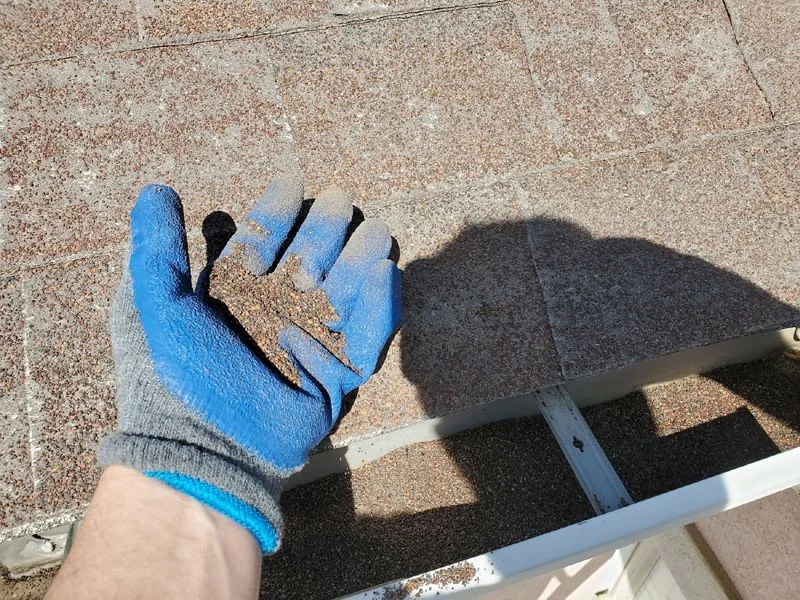
- Spring hail: Hail bruises the shingle mat and strips protective granules, leaving soft spots that leak later.
- Straight-line winds: Gusts lift shingle edges and tear flashing loose around chimneys, vents, and skylights, where most leaks begin.
- Age and worn sealant: Caulk and fasteners loosen over years of expansion and contraction, opening gaps at penetrations.
Because flashing and penetrations cause so many leaks, a roof can look fine from the curb in Georgetown or Leander and still be letting water in. Regular checks catch these issues before a small breach turns into a ceiling stain.
How can you prevent your roof from leaking again?
The best answer to what to do when your roof starts leaking is to prevent the next leak entirely. That comes down to consistent maintenance and catching small problems before they grow.
- Schedule inspections twice a year, ideally in spring and fall, and again after any major hail or windstorm.
- Keep gutters clear so water drains away instead of backing up under the roof edge.
- Watch for early warning signs such as granules in the gutters, cracked or curling shingles, and small interior stains.
- Address minor repairs promptly rather than waiting for a leak to reach your ceiling.
A professional roof inspection finds subtle damage a homeowner can miss, from hail bruising to early flashing failure. Driftwood Builders Roofing has been GAF Master Elite certified since 2005 and serves Austin and the Hill Country with free estimates and no deposit on labor or materials. If your roof is leaking or you want it checked before the next storm, request a free estimate.
Frequently Asked Questions
Should I try to fix a roof leak myself during a storm?
No. A wet, sloped roof is dangerous and most repairs will not hold on a wet surface. Contain the water indoors with buckets and towels, then call a professional roofer once the weather clears.
Will my insurance cover a roof leak in Austin?
Many homeowner policies cover sudden leaks from storm, hail, or wind damage, but not leaks caused by age or deferred maintenance. Photograph the damage, report it promptly, and ask a roofer to document storm damage to support your claim.
How quickly can a small roof leak cause real damage?
A small leak can cause thousands of dollars in damage within hours by soaking insulation, drywall, framing, and wiring. Water spreads quickly along rafters and feeds mold, so contain it and call a professional the same day.
Why is my ceiling stained but no water is dripping?
A stain without active dripping usually means water entered during an earlier storm and soaked the drywall before drying. It still points to a real breach, so dry the area, document it, and have the roof inspected before the next rain.
How do I find where my roof is leaking?
Start in the attic with a flashlight and look for wet wood, stains, or daylight on the underside of the deck. Because water travels down rafters before it drips, the breach is usually uphill from the interior stain, and a roofer can confirm the exact entry point.

Author: Driftwood Builders Roofing
Driftwood Builders Roofing is a family-owned residential roofing company headquartered in Manchaca, Texas, serving Austin and the surrounding Hill Country since 2005. The company has delivered 3,700 full roof replacements and 783 repairs across 3,559 different customers over 20 years in business, with 97 years of combined construction experience across the leadership team and 74 years specifically inside Driftwood Builders. The company holds the highest contractor certifications offered by the major shingle manufacturers, including GAF Master Elite Contractor (the top 3% of GAF contractors nationally), GAF Certified Green Roofer, Owens Corning certified, TAMKO Pro Certified Contractor, and a Berridge Roof Installation Seminar Certificate for standing-seam metal roofs. Driftwood is an NRCA member, holds an Angie's List Super Service Award, is BBB Accredited, and is a GuildQuality member for verified customer satisfaction data. James Hardie certification covers the siding side of the business. Services include residential roof replacement, leak and storm-damage repair, tile roof repair, metal roofing, TPO commercial roofing, roof inspections, hail and storm damage inspections with insurance claim assistance, gutter work, and James Hardie siding. The customer-protection policy is straightforward: Only Pay Upon Completion. The company serves 22 cities across the Hill Country and Greater Austin and holds a 5-star rating across Google, GuildQuality, Angi, Nextdoor, Facebook, Thumbtack, and Yelp.
