What You Need to Know Before Installing a Skylight on your Roof
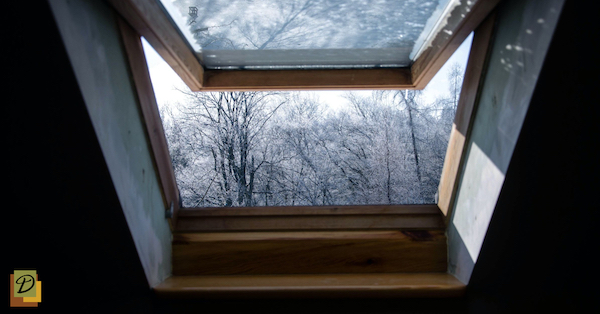
What should you check before installing a skylight on your roof?
Before installing a skylight on your roof, the most important step is making sure the roof itself is ready, because a skylight is only as reliable as the surface it sits in. Start with these four checks before you settle on a spot for more natural light.
- Roof condition: Skylights belong on a healthy roof. If yours is older or damaged, handle the roof replacement first, then add the skylight to the new surface.
- Truss and rafter spacing: The trusses or rafters must be spaced to fit the unit, because cutting them can compromise the whole roof system.
- Roof slope: Sloped roofs shed water away from the opening, while flat sections let water pool and stress the glass and flashing.
- Placement and direction: Think about which rooms you want brightened and how sun exposure will feel through the year.
A professional roof inspection answers most of these questions in one visit and tells you whether your roof can safely accommodate a skylight or a light tube.
Why does roof slope and direction matter for skylights in Central Texas?
Slope controls water, and direction controls heat. Both matter more here than in milder climates because Central Texas swings from intense summer sun to heavy spring storms.
An angled roof lets rain run off and away from the skylight, so water has less chance to puddle around the frame. Standing water can slowly damage glass and framing materials and invite leaks, while a sloped surface keeps the flashing draining the way it was designed to.
Direction shapes comfort. A skylight facing due south collects the most sun, which sounds great until an Austin July turns that room into a hot box. North-facing placement gives steady, even light with less heat gain, while east or west placement brings strong morning or evening sun. Nearby trees or two-story neighbors can also block the light you hoped to capture.
Can you cut a roof truss to install a skylight?
No. Cutting or modifying a roof truss to fit a skylight is strongly discouraged. Trusses are engineered and placed specifically for your home and roof load, and altering one can weaken the entire structure and turn a simple upgrade into an expensive remodeling project.
The better path is to size the skylight, or use a tubular skylight, to fit cleanly between the existing trusses. Standard skylights and light tubes come in dimensions that slot into common framing spacing, so most homes have a workable option that needs no structural changes. Your roofer can measure the bays and recommend a unit that fits without cutting anything.
Do roofers install skylights, and what does the process look like?
Often the work is shared. Your roofer prepares the roof, cuts and flashes the opening, and ties everything back into the existing system so it stays watertight. Many skylights are then set by installers trained on that specific product and on local building codes, so confirm with both parties how they coordinate the job. If your roof is ready, the basic sequence looks like this:
| Step | What happens | Why it matters |
|---|---|---|
| 1. Inspection | Roofer checks condition, slope, and truss spacing | Confirms the roof can host a skylight safely |
| 2. Layout | Position chosen for light, heat, and framing fit | Avoids cutting trusses and overheating rooms |
| 3. Opening and flashing | Roof is cut and the unit is flashed and sealed | Prevents leaks during Central Texas storms |
| 4. Interior finish | Shaft and trim completed inside the room | Delivers the clean, finished look you wanted |
If a section of the existing roof is worn near the opening, that area may need roof repair before the skylight goes in.
How do you keep an Austin skylight from leaking or overheating?
Two issues drive most skylight regret in our area: leaks after storms and rooms that get too hot. Both are preventable with the right product and a careful install.
- Quality flashing: A properly flashed skylight resists wind-driven rain and the straight-line winds that pass through Central Texas in spring.
- Low-E or tinted glass: Modern glazing cuts solar heat gain so a sunny room stays comfortable through the summer.
- Smart placement: Favoring north or shaded exposures reduces heat load before you even pick a glass option.
- Tubular skylights: Light tubes bring in daylight with a smaller opening, which means less heat gain and a simpler install.
- Annual checks: A quick look at the flashing and seals each year catches small issues before they become interior leaks.
As a trusted Austin roofing company and GAF Master Elite contractor since 2005, Driftwood Builders Roofing assesses your roof, recommends the right placement, and preps the surface so your skylight performs for years. We serve Austin and Central Texas communities including Cedar Park, Round Rock, Leander, and Georgetown, and we never ask for a deposit. To get started, request a free estimate and we will tell you honestly whether your roof is ready for a skylight.
Frequently Asked Questions
Do roofers install skylights?
Yes, roofers commonly prepare the roof, cut the opening, and flash the skylight so it stays watertight. The skylight unit itself is often set by an installer trained on that specific product and on local codes, so it is best to confirm how your roofer and installer coordinate the job.
Can I add a skylight to an old roof?
It is usually better to wait. If your roof is aging or damaged, replacing it first and then adding the skylight to the new surface avoids tearing into a roof that will soon need work anyway. A roof inspection will confirm whether your current roof is healthy enough.
Is it safe to cut a truss for a skylight?
No. Trusses are engineered for your specific roof, and cutting one can weaken the whole structure. The safe approach is to choose a skylight or tubular skylight that fits between the existing trusses without any structural modification.
Which direction should a skylight face in Austin?
North-facing skylights give steady, even light with the least heat gain, which suits the intense Central Texas sun. South-facing placement brings the most heat and can overheat a room, so reserve it for spaces you want warmer or pair it with heat-reducing glass.
Will a skylight leak during Texas storms?
A properly flashed and installed skylight on a sloped roof resists wind-driven rain and the straight-line winds common in spring. Most leaks come from poor flashing or worn surrounding roofing, so quality installation and an annual check keep a skylight watertight.

Author: Driftwood Builders Roofing
Driftwood Builders Roofing is a family-owned residential roofing company headquartered in Manchaca, Texas, serving Austin and the surrounding Hill Country since 2005. The company has delivered 2,776 full roof replacements and 783 repairs across 3,559 different customers over 20 years in business, with 97 years of combined construction experience across the leadership team and 74 years specifically inside Driftwood Builders. The company holds the highest contractor certifications offered by the major shingle manufacturers, including GAF Master Elite Contractor (the top 2% of GAF contractors nationally), GAF Certified Green Roofer, Owens Corning certified, TAMKO Pro Certified Contractor, and a Berridge Roof Installation Seminar Certificate for standing-seam metal roofs. Driftwood is an NRCA member, holds an Angie's List Super Service Award, is BBB Accredited, and is a GuildQuality member for verified customer satisfaction data. James Hardie certification covers the siding side of the business. Services include residential roof replacement, leak and storm-damage repair, tile roof repair, metal roofing, TPO commercial roofing, roof inspections, hail and storm damage inspections with insurance claim assistance, gutter work, and James Hardie siding. The customer-protection policy is straightforward: Only Pay Upon Completion. The company serves 22 cities across the Hill Country and Greater Austin and holds a 5-star rating across Google, GuildQuality, Angi, Nextdoor, Facebook, Thumbtack, and Yelp.