Animal & Pest Damage Behind Soffit: Signs, Repair, and Prevention
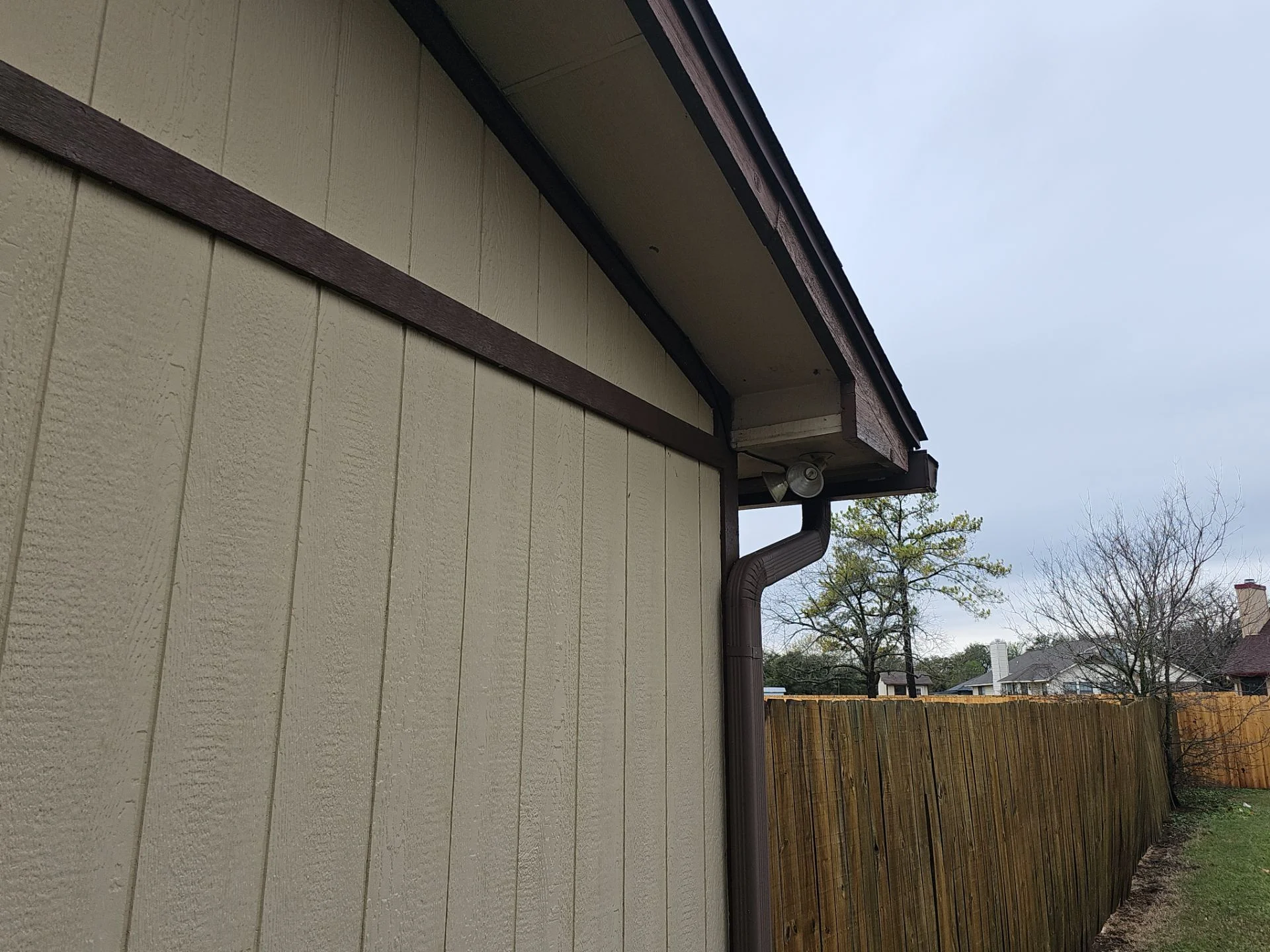
What Homeowners Usually Notice First
- Scratching, scurrying, or thumping sounds from the roofline or attic edge, especially around dawn or dusk
- A soffit vent that looks torn, bent, or has a visibly enlarged opening
- Small piles of debris or droppings on the ground directly below a soffit section
- A soffit panel that looks stained, sagging, or has a small gap where it meets the fascia
Why Soffit Vents Are the Typical Entry Point
Vented soffit exists specifically to let air move in and out of the attic space — which means it's already a series of small openings, not a solid barrier. A vent that's cracked, has a missing louver, or was installed with a gap large enough for a squirrel or bird to widen is the most common real entry point. Once an animal gets in, continued activity (chewing, nesting, moisture from droppings) can widen the opening further and cause real damage to the surrounding soffit and fascia.
Who to Call: Pest Control vs. Exterior Repair
This is genuinely a two-part problem, and it's worth knowing which part is whose job:
- Wildlife/pest removal and exclusion — diagnosing what's actually in there, safely removing it, and sealing against future entry — is a licensed pest control company's job, not a roofing or siding contractor's. Locally, ABC Home & Commercial Services handles this side of it for Austin-area homeowners.
- Repairing the soffit, vent, and any damaged fascia or decking once the animal is out — replacing chewed material, sealing the entry point properly, and making sure the repair doesn't just create a new easy opening — is where Driftwood comes in, through our soffit repair and vent replacement work.
In practice, the two often happen in sequence: confirm and clear the animal first, then repair the exterior damage so it's actually sealed against future entry, not just cosmetically patched.
What Repair Actually Involves
- Confirm the animal is gone (this is the pest control side, not something to skip before starting exterior repair).
- Remove and inspect the damaged soffit section — chewing and nesting activity can extend further than what's visible from the ground.
- Check the fascia and any decking behind the soffit for moisture or additional damage, since droppings and nesting material hold moisture against the wood.
- Replace the damaged soffit and vent with correctly-sized, properly-fastened material — a repair that leaves the same size gap just invites the same problem back.
Preventing It From Happening Again
Vented soffit in generally good condition, with intact louvers and no existing gaps, is much less likely to become an entry point in the first place. This is part of why a routine exterior inspection — checking soffit and fascia condition, not just the roof surface — catches small vent damage before it becomes an active entry point.
Repaired the entry point yet? We'll fix the soffit and fascia correctly the first time — schedule a free inspection →
Frequently Asked Questions
What's making scratching noises in my soffit?
Most often squirrels or birds, occasionally other small animals — the specific culprit is worth confirming by a pest control professional before any exterior repair begins.
Can animals actually chew through soffit material?
Not easily through intact fiber cement or well-maintained aluminum — the real entry point is almost always an existing vent opening that's already damaged, loose, or larger than it should be.
Should I call a pest control company or a contractor first?
Pest control first, for diagnosis and safe removal — a company like ABC Home & Commercial Services handles that side locally. Once the animal is confirmed gone, that's the right time for exterior repair of the soffit, vent, and any related damage.
How do I stop animals from getting back in after repair?
Correctly-sized, properly-fastened vent material that doesn't leave a gap is the real fix — a repair that just covers the hole without addressing the fit tends to fail the same way again.
Is soffit damage from animals covered by insurance?
That depends on your specific policy and cause of loss — not something we can generalize here. Your insurance agent is the right source for a coverage-specific answer.

Author: Driftwood Builders Roofing
Driftwood Builders Roofing is a family-owned residential roofing company headquartered in Manchaca, Texas, serving Austin and the surrounding Hill Country since 2005. The company has delivered 3,700 full roof replacements and 783 repairs across 3,559 different customers over 20 years in business, with 97 years of combined construction experience across the leadership team and 74 years specifically inside Driftwood Builders. The company holds the highest contractor certifications offered by the major shingle manufacturers, including GAF Master Elite Contractor (the top 3% of GAF contractors nationally), GAF Certified Green Roofer, Owens Corning certified, TAMKO Pro Certified Contractor, and a Berridge Roof Installation Seminar Certificate for standing-seam metal roofs. Driftwood is an NRCA member, holds an Angie's List Super Service Award, is BBB Accredited, and is a GuildQuality member for verified customer satisfaction data. James Hardie certification covers the siding side of the business. Services include residential roof replacement, leak and storm-damage repair, tile roof repair, metal roofing, TPO commercial roofing, roof inspections, hail and storm damage inspections with insurance claim assistance, gutter work, and James Hardie siding. The customer-protection policy is straightforward: Only Pay Upon Completion. The company serves 22 cities across the Hill Country and Greater Austin and holds a 5-star rating across Google, GuildQuality, Angi, Nextdoor, Facebook, Thumbtack, and Yelp.
