Soffit and Fascia Repair Cost in Austin: What Homeowners Actually Pay
What Are Soffit and Fascia, and Why Do They Matter?
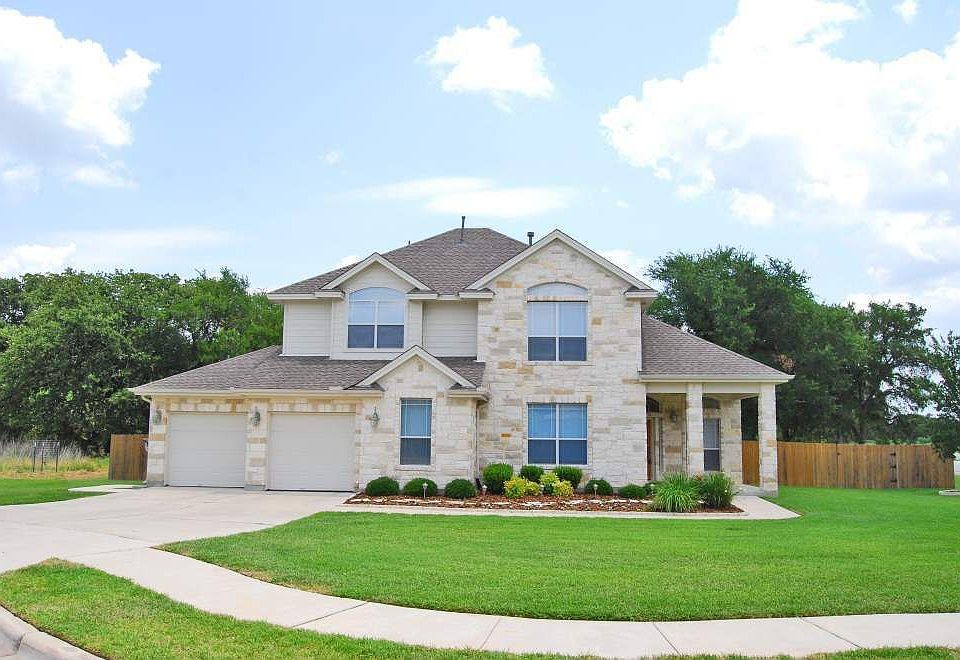
If you stand at your curb and look up at the edge of your roof, you are looking at your fascia: the vertical board that runs along the roofline and carries your gutters. Tuck your head under the overhang and the horizontal panel facing down is the soffit. Together they close off the gap between your roof edge and your exterior walls.
These two components do quiet but critical work. The fascia anchors your gutter system and gives the roof edge a finished, weather-tight line. The soffit ventilates your attic, pulling cooler air in at the eaves so hot air can escape near the ridge, a role that has to be sized to whatever exhaust system is on the roof; see our ridge vents vs. box vents guide for how intake and exhaust should be balanced. In the Austin and Cedar Park climate, where attic temperatures routinely top 130 degrees in summer, that intake ventilation is not optional. Block it or let it rot, and you trap heat and moisture against your roof deck.
When soffit fascia repair gets deferred, the damage rarely stays contained. Water that should run into the gutter instead seeps behind the fascia, soaks the rafter tails, and works its way toward the decking. What starts as a $400 board replacement can become a multi-thousand-dollar roof edge rebuild.
Warning Signs You Need Soffit and Fascia Repair
Most fascia and soffit problems announce themselves months before they become emergencies. Walk your home’s perimeter twice a year and look for these signals:
- Peeling or bubbling painton the fascia, which usually means moisture is trapped behind the board.
- Sagging or pulling gutters, a sign the fascia is too soft to hold the fasteners.
- Visible rot, soft spots, or dark stainingon wood boards, especially at corners and seams.
- Pests in the eaves: wasps, squirrels, rats, or birds nesting in the overhang point to gaps in damaged soffit.
- Daylight or drooping panelswhen you look up under the overhang.
- Higher cooling bills, which can trace back to clogged or rotted soffit vents choking attic airflow.
In Central Texas, two forces drive most of this damage. Hard spring storms force wind-driven rain up under the eaves, and our humidity swings let untreated wood cycle between wet and dry until it cracks. If a hailstorm has recently passed through, the fascia and gutters often take hits that go unnoticed during a quick roof check.
What Soffit and Fascia Repair Costs in Central Texas
The material you choose changes both the price and how often you will revisit this project.
Wood: Traditional and budget-friendly upfront. Wood matches older homes well and is easy to paint to any color. The tradeoff is maintenance: in our humidity and heat, wood fascia needs repainting every 4 to 6 years and remains vulnerable to rot and termites.
Aluminum: A popular middle ground, especially for soffit panels with built-in ventilation. Aluminum will not rot, resists insects, and needs little upkeep. It can dent under hail or ladder pressure, and color options are more limited than paintable wood.
PVC and Composite: The premium choice. PVC and modern composites are fully waterproof, immune to rot and pests, and often carry warranties of 20 years or more. You pay more at install, but for many Central Texas homeowners the lower lifetime cost makes it the better value, particularly on hard-to-access second stories where you do not want to repaint every few years.
The Hidden Costs Most Homeowners Miss
The sticker price on a fascia quote is rarely the whole story. These are the costs that surprise people:
- Rafter tail repair. Once a crew pulls rotted fascia, they sometimes find the rafter ends behind it are soft too. Replacing or sistering rafter tails adds $300 to $1,200.
- Roof deck damage. Long-term water intrusion at the eaves can rot the edge of the decking. If that is the case, you are now into a roofing services repair, not just a trim job.
- Gutter replacement. Fascia that has failed often took the gutters down with it. Resetting old gutters onto fresh boards is cheap; replacing bent or rusted gutters is not.
- Ventilation correction. If old soffit had no working vents, upgrading to vented panels protects your attic and your shingles, but it is an added line item.
- Energy waste in the meantime. Choked attic ventilation makes your air conditioner work harder all summer, a recurring cost you stop paying once airflow is restored.
The throughline: soffit and fascia are the edge of a connected system. Treating a repair as isolated trim work is exactly how small problems quietly become roof problems.
Repair or Replace: How to Decide
Use a simple rule of thumb. If less than roughly a third of your fascia or soffit is damaged and the rest is sound, targeted repair is usually the smart, cost-effective call. Once damage is widespread, mismatched, or recurring, full replacement gives you a uniform finish and a clean warranty.
Consider full replacement when:
- Multiple boards show rot, not just one or two sections.
- You are already replacing or recoating the roof and want everything to match.
- Your current material is bare wood and you want to step up to low-maintenance PVC or aluminum.
- Repairs keep coming back every couple of years.
If you are unsure, a professional inspection from an Austin roofing company that checks the full roof edge (not just the visible board) will tell you whether you are looking at trim work or the early stage of a bigger fix. Driftwood offers that inspection as part of our soffit and fascia repair service, with repair and replacement priced separately on the same written estimate. Homeowners in Cedar Park and Lakeway especially benefit from this after storm season, when edge damage hides behind intact-looking paint.
Because gutters fasten directly into the fascia, fascia work and gutter installation and replacement are usually best scoped together, so the new gutters land on sound board rather than on wood that is about to be replaced again.
FAQ: Soffit and Fascia Repair in Austin
How long does soffit and fascia repair take?
A typical spot repair takes a few hours. A full perimeter replacement on an average home runs one to two days depending on access, material, and whether gutters need resetting.
Can I repair soffit and fascia myself?
Minor wood patching on a single-story home is doable for a confident DIYer, but the work involves ladder safety at the roof edge and correct flashing to keep water out. Mistakes here invite the exact rot you are trying to fix, so most homeowners hire a pro for anything beyond a small patch.
Will insurance cover soffit and fascia damage?
If the damage comes from a covered event like a hailstorm or wind, it often qualifies, especially when bundled with a larger roof claim. Gradual rot from age or neglect is generally not covered.
Does soffit really affect my energy bills?
Yes. Soffit vents are the intake side of attic ventilation. When they are blocked or rotted, hot air stalls in your attic, raising cooling costs and shortening shingle life.
How often should I inspect my soffit and fascia?
Twice a year is ideal, ideally in spring after storm season and again in fall. A quick perimeter walk looking for peeling paint, sagging gutters, and pests catches most issues early.
Soffit and fascia are easy to overlook until they take part of your roof with them. If you have spotted peeling paint, sagging gutters, or critters in the eaves, get the full roof edge checked before the next storm season. You can book a free soffit and fascia inspection in Austin and get a written estimate before committing to anything. The team that handles your roofing services can assess repair versus replacement, and you can contact us to schedule an inspection of your roofline.

Author: Driftwood Builders Roofing
Driftwood Builders Roofing is a family-owned residential roofing company headquartered in Manchaca, Texas, serving Austin and the surrounding Hill Country since 2005. The company has delivered 3,700 full roof replacements and 783 repairs across 3,559 different customers over 20 years in business, with 97 years of combined construction experience across the leadership team and 74 years specifically inside Driftwood Builders. The company holds the highest contractor certifications offered by the major shingle manufacturers, including GAF Master Elite Contractor (the top 3% of GAF contractors nationally), GAF Certified Green Roofer, Owens Corning certified, TAMKO Pro Certified Contractor, and a Berridge Roof Installation Seminar Certificate for standing-seam metal roofs. Driftwood is an NRCA member, holds an Angie's List Super Service Award, is BBB Accredited, and is a GuildQuality member for verified customer satisfaction data. James Hardie certification covers the siding side of the business. Services include residential roof replacement, leak and storm-damage repair, tile roof repair, metal roofing, TPO commercial roofing, roof inspections, hail and storm damage inspections with insurance claim assistance, gutter work, and James Hardie siding. The customer-protection policy is straightforward: Only Pay Upon Completion. The company serves 22 cities across the Hill Country and Greater Austin and holds a 5-star rating across Google, GuildQuality, Angi, Nextdoor, Facebook, Thumbtack, and Yelp.
