How Long Does a Roof Last in Austin & Central Texas?
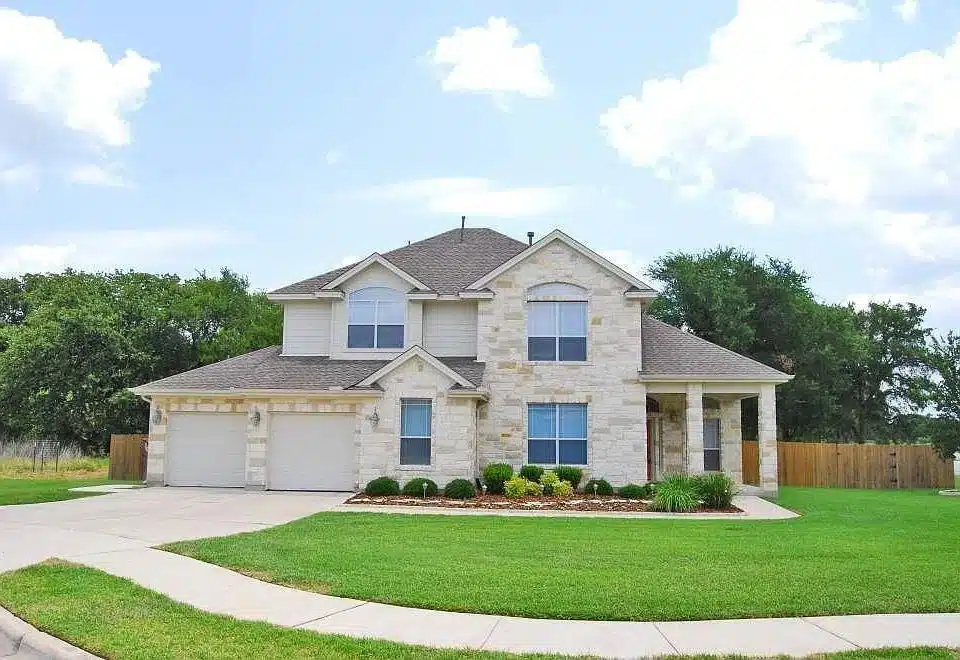
▶ Watch: How Long Do Shingle Roofs Last in Texas?
This Driftwood Builders Roofing video, featuring Nick Riley, covers how long asphalt shingle roofs typically last in Austin's heat, how attic ventilation can lengthen or shorten that life, the warning signs of an aging roof, and how to think about repair versus replacement.
How Long Does a Roof Last on a Central Texas Home?
Most homeowners ask how long a roof lasts here, and the honest answer depends on the material and the climate. Industry references such as the National Association of Home Builders’ Study of Life Expectancy of Home Components put a typical asphalt shingle roof at about 20 years. In our own work across the Austin area, Driftwood Builders Roofing commonly sees asphalt shingle roofs reach about 15 to 20 years — often toward the upper end when the attic is well ventilated and the installation was done carefully. These local service-life figures reflect Driftwood Builders Roofing’s field experience in Central Texas, not a guarantee.
The reason local roofs can trail the national figure usually comes back to ventilation and climate. Austin summers are hot and humid, and when an attic cannot breathe, heat and moisture build up under the roof deck and age shingles from below faster than the calendar alone would suggest. (Serving Austin as a GAF Master Elite certified Austin roofing company since 2005.)
Roof Lifespan by Material in Central Texas
These are general ranges, drawn from industry references (such as the NAHB study above) and manufacturer data. Actual service life varies with climate, installation quality, ventilation, and maintenance — so treat them as planning guides, not guarantees.
| Roofing material | General lifespan range |
|---|---|
| 3-tab asphalt shingles | ~15–20 years |
| Architectural (laminate) shingles | ~25–30 years (favorable conditions) |
| Standing-seam metal | ~40–70 years |
| Clay/concrete tile | ~40+ years (underlayment ~25–30) |
Architectural shingles are thicker and multi-layered, which is part of why their range runs higher than 3-tab. And with tile roofing, the tiles often outlast the underlayment beneath them — replacing that underlayment is labor-intensive, so factor it in. If you are comparing systems, our metal roofing page covers how standing-seam performs in this climate, and impact-resistant (Class 4) shingles are worth a look in hail-prone areas.
What "30-Year Shingle" Really Means
“30-year shingle” (or “50-year”) is common shorthand for a product category or an expected lifespan — but it isn’t a promise, and it doesn’t map cleanly onto today’s warranties. The important distinction: a limited warranty is not a guarantee that a roof will stay in service for a set number of years. It covers specific things under specific conditions, and the terms vary by product.
| Term | What it actually means |
|---|---|
| “30-year” / “50-year” shorthand | A product-tier or expected-lifespan label — not a guarantee of years in service |
| Manufacturer limited warranty | Covers specified manufacturing defects under specified conditions; terms — prorated vs. non-prorated periods, exclusions, transfer rules, and system-component or certified-installer requirements for enhanced coverage — vary by product and manufacturer |
| Algae-resistance warranty | A separate warranty covering algae discoloration only — not overall roof life |
| Workmanship warranty | Covers installation; comes from your contractor (certified installers may also register enhanced manufacturer coverage) |
| Real-world service life | What the roof actually delivers on your home, given climate, ventilation, install quality, and storms |
For example, many of today’s GAF architectural shingles — including the Timberline HDZ line — carry a “Lifetime” limited warranty for qualifying owner-occupied homes. Separately, StainGuard Plus™-labeled shingles carry a 25-year algae-discoloration limited warranty (10-year non-prorated) that covers blue-green algae staining, not the shingle’s overall lifespan. Always read the specific product’s warranty for its exclusions and conditions.
(Sources: GAF residential warranties; GAF StainGuard.)
▶ Watch: Why 30-Year Shingles Often Last 15–20 Years in Austin
This companion video, also featuring Nick Riley, looks at why shingles marketed as "30-year" or "50-year" products often deliver closer to 15–20 years on Austin homes, and walks through the local factors involved: heat and UV, accumulated hail and wind, attic ventilation, storm debris, and installation quality.
What Shortens — or Extends — a Roof’s Life
No single factor decides a roof’s fate; several work together:
- Heat and UV — Prolonged heat and UV exposure can accelerate the aging of asphalt shingles and the loss of their protective granules.
- Hail — A hailstorm can crack, bruise, or dislodge granules from asphalt shingles, sometimes shortening the roof’s remaining service life.
- Wind — Straight-line winds can lift and tear shingles and expose the layers beneath.
- Attic ventilation — an important contributor to roof-system performance. According to the Asphalt Roofing Manufacturers Association, a balanced intake-and-exhaust system helps reduce heat and moisture buildup and can prolong the life of the roofing system. It works alongside — not instead of — installation quality and material choice.
- Installation quality — nailing, flashing, and edge details influence how a roof handles its first big storm.
- Roof pitch and drainage — steeper roofs shed water faster; low slopes hold water and debris longer.
- Material type — 3-tab, architectural, impact-rated, metal, and tile all age differently.
- Tree coverage and debris — overhanging limbs drop debris, hold moisture, and add impact risk.
- Maintenance and flashing — clean gutters and sound flashing keep small problems from becoming leaks.
- Shingle color — darker shingles can run somewhat warmer at the surface, though installation, ventilation, material quality, and exposure matter more.
You can add years by addressing small problems early and scheduling regular roof inspections.
(ARMA guidance: The Importance of Proper Attic Ventilation.)
How Does Austin’s Climate Affect Roof Aging?
Central Texas puts roofs through a demanding cycle. Long stretches of triple-digit summer heat soften asphalt and accelerate granule loss, while high humidity keeps attic moisture levels elevated. Spring brings hail and straight-line winds that can crack tiles, dent metal, and tear shingles loose.
This is why two identical roofs — one in a mild climate and one in Austin — rarely age at the same rate. A strong storm can also end a roof’s life earlier than its material range would suggest. If a storm has hit your home, our team can help document storm damage and insurance claims across Cedar Park, Round Rock, Leander, Georgetown, and the surrounding area.
How to Estimate Your Roof’s Remaining Life
You don’t have to guess. Work through these and you’ll have a realistic sense of where things stand:
- Known install date — compare the roof’s age to the ranges above; past about 15 years on asphalt, watch it more closely.
- Shingle condition — widespread cracking, curling, or brittleness signals the material is spent.
- Granule loss — granules in gutters or bare “shiny” patches (exposed fiberglass mat) mean the protective layer is wearing through.
- Curling or cupping — lifted edges or raised centers indicate heat and age fatigue.
- Prior hail exposure — bruising, soft spots, or dented metal accessories add up over time.
- Leaks and flashing — recurring leaks or failing flashing around chimneys, vents, and valleys often point to system-wide aging.
- Decking condition — soft or sagging areas suggest moisture has reached the deck.
- Inspection findings — a professional inspection ties it all together.
When It’s Time for Monitoring, Repair, or Replacement
Not every problem means a new roof. Isolated damage with sound surrounding shingles is often a straightforward roof repair. Replacement tends to make more sense when the roof is near the end of its range, damage is widespread, or leaks are appearing in several places. For a fuller breakdown of the deciding signs, see our guide to the warning signs your roof needs replacing.
Driftwood Builders Roofing serves Austin and the broader Central Texas area, including Lakeway, Pflugerville, Buda, and Kyle, with both residential and commercial work. Want a straight answer on where your roof actually stands? Request a free roof inspection and we’ll give you an honest assessment of its condition and remaining life. (Already weighing a replacement? You can also try our instant roof quote tool for a cost estimate.)
Frequently Asked Questions
How long does a roof last in Austin, TX?
As general ranges: 3-tab asphalt ~15–20 years, architectural shingles ~25–30 years, metal 40–70 years, and tile 40+ years. Heat, hail, ventilation, and installation quality move a given roof within those ranges.
Does a “30-year” shingle really last 30 years?
Not necessarily. “30-year” is shorthand for a product tier, and a limited warranty covers specific defects under specific conditions — it isn’t a guarantee the roof stays in service that long. In Central Texas heat and storms, real-world service life is often shorter.
Why do roofs sometimes age faster in Austin?
Hot, humid summers build heat and moisture in poorly ventilated attics, which ages shingles from below. Ventilation, installation quality, and storm exposure together explain most of the difference.
How often should you replace your roof in Texas?
For asphalt, plan around the material’s range and inspect sooner after major storms. Metal and tile last far longer. Condition — not age alone — is the real trigger.
Will insurance cover an older roof in Texas?
It depends. Per the Texas Department of Insurance, whether and how a roof claim is paid depends on your policy — including whether it settles at replacement cost or actual cash value — and on the cause of loss, the roof’s age and condition, and any exclusions or endorsements. Check your policy or contact TDI for specifics.
How can I make my roof last longer?
Fix small problems while they’re minor, keep gutters clean, maintain proper attic ventilation, and schedule regular inspections.

Author: Driftwood Builders Roofing
Driftwood Builders Roofing is a family-owned residential roofing company headquartered in Manchaca, Texas, serving Austin and the surrounding Hill Country since 2005. The company has delivered 3,700 full roof replacements and 783 repairs across 3,559 different customers over 20 years in business, with 97 years of combined construction experience across the leadership team and 74 years specifically inside Driftwood Builders. The company holds the highest contractor certifications offered by the major shingle manufacturers, including GAF Master Elite Contractor (the top 3% of GAF contractors nationally), GAF Certified Green Roofer, Owens Corning certified, TAMKO Pro Certified Contractor, and a Berridge Roof Installation Seminar Certificate for standing-seam metal roofs. Driftwood is an NRCA member, holds an Angie's List Super Service Award, is BBB Accredited, and is a GuildQuality member for verified customer satisfaction data. James Hardie certification covers the siding side of the business. Services include residential roof replacement, leak and storm-damage repair, tile roof repair, metal roofing, TPO commercial roofing, roof inspections, hail and storm damage inspections with insurance claim assistance, gutter work, and James Hardie siding. The customer-protection policy is straightforward: Only Pay Upon Completion. The company serves 22 cities across the Hill Country and Greater Austin and holds a 5-star rating across Google, GuildQuality, Angi, Nextdoor, Facebook, Thumbtack, and Yelp.