Reasons Asphalt Shingles Fail
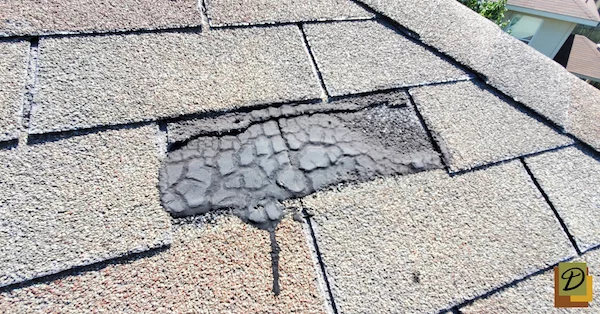
Why Do Asphalt Shingles Fail?
Understanding why asphalt shingles fail comes down to a handful of predictable causes that build up over years of exposure. Asphalt shingles are a great roofing material. They are economical, sturdy, and durable, and they have been a trusted roofing component since the early 20th century. Manufacturers keep refining the product, but every shingle still reaches the end of its life eventually.
The five most common reasons asphalt shingles fail are:
- Poor installation, which lets shingles loosen and blow off in high wind.
- Sun and weather exposure, which slowly strips away the protective granules.
- Inadequate ventilation, which traps heat and moisture in the attic.
- Natural aging, as the asphalt dries out and turns brittle.
- Neglected maintenance, which lets small problems grow into leaks.
For Central Texas homeowners, a strong storm can turn a normal day into trouble for an older roof. A reputable Austin roofing company can pinpoint which of these factors is affecting your roof.
How Does Austin Weather Speed Up Shingle Failure?
Central Texas is one of the harder climates on an asphalt roof. The combination of relentless summer heat, spring hail, and straight-line winds wears shingles down faster than in milder regions.
- Summer heat and UV: On a sunny Austin afternoon, UV rays and surface temperatures bake the shingles, drying out the asphalt and causing it to crack or break.
- Hail: Spring storms can bruise shingles and knock granules loose in a single event, leaving the mat exposed.
- Wind: Straight-line winds during thunderstorms can lift and tear poorly fastened shingles.
- Heat and moisture cycles: Daily expansion and contraction loosens seals and fasteners over time.
Because moisture runs off the roof every time it rains, granules gradually dislodge and end up in your gutters. If you spot granules collecting there, your shingles are aging. A storm damage review after a hail event is one of the smartest moves an Austin homeowner can make.
What Are the Most Common Signs of Asphalt Shingle Damage?
Damaged shingles usually show clear warning signs before they fail completely. Catching them early often means a simple repair instead of a full replacement. The most common types of asphalt shingle damage are:
| Sign of Damage | What It Looks Like | What It Usually Means |
|---|---|---|
| Curling | Edges lifting or cupping upward | Aging, heat, or ventilation problems |
| Cracking | Splits across the shingle surface | Dried-out, brittle asphalt |
| Blistering | Small raised bumps or pockets | Trapped moisture or attic heat |
| Granule loss | Bald, shiny spots; grit in gutters | Normal aging or hail impact |
| Tearing | Missing pieces or torn edges | Wind damage or weak fastening |
Over time, moisture and debris work into these damaged areas. If you are not sure what you are seeing, a professional roof inspection will tell you exactly how much life your shingles have left.
Can You Prevent Asphalt Shingles From Failing Early?
You cannot stop shingles from aging, but you can slow it down and avoid premature failure. Most early failures trace back to issues that are easy to address with routine care.
- Schedule regular inspections, ideally once a year and after any major hail or wind event.
- Fix small problems quickly, before water reaches the decking and structure.
- Keep attic ventilation working, so heat and moisture do not cook the shingles from below.
- Clean gutters and trim overhanging limbs, which reduces debris buildup and standing moisture.
- Insist on proper installation, since correct fastening and flashing prevent the wind lift that causes early loss.
When small leaks do appear, prompt roof repair protects everything underneath. Preventive care is almost always cheaper than emergency work after the next storm.
When Should You Repair vs. Replace Failing Shingles?
The right move depends on the age of your roof and how widespread the damage is. A few damaged shingles on a younger roof are very different from scattered failure across an aging one.
- Repair when damage is limited to a small area, the roof is still relatively young, and the underlying decking is sound.
- Replace when shingles are failing across large sections, the roof is near the end of a typical 20 to 30 year lifespan, or repeated leaks keep returning.
If a recent storm caused the damage, your homeowners insurance may help cover the work, and we can document the damage and meet your adjuster. Driftwood Builders Roofing has been GAF Master Elite certified since 2005, we serve Austin and Central Texas communities including Cedar Park, Round Rock, Leander, and Georgetown, and we never ask for a deposit on labor or materials. To get clear options for your roof, request a free estimate and we will inspect your shingles, ventilation, and overall roof design.
Frequently Asked Questions
How long do asphalt shingles last in Austin?
Most asphalt shingle roofs in Central Texas last 20 to 30 years, though intense summer heat, UV exposure, and hail can shorten that range. Quality installation, good attic ventilation, and regular maintenance help you reach the upper end of that lifespan.
Is granule loss on asphalt shingles a serious problem?
Some granule loss is normal as a roof ages, but heavy loss leaves the asphalt mat exposed to UV and moisture, which accelerates failure. If you find a lot of granules in your gutters or see bald spots on the shingles, schedule an inspection.
What causes asphalt shingles to curl or crack?
Curling and cracking are usually caused by aging asphalt, excessive attic heat, and poor ventilation that bakes the shingles from below. In Austin’s climate, prolonged sun and heat cycles are common triggers for both problems.
Can hail damage cause asphalt shingles to fail?
Yes. Spring hail in Central Texas can bruise shingles and knock granules loose in a single storm, exposing the mat and leading to leaks. A post-storm inspection helps document the damage and may support an insurance claim.
Do I need to replace my whole roof if a few shingles fail?
Not always. If the damage is limited and your roof is still relatively young, a targeted repair is often enough. Widespread failure or an aging roof near the end of its lifespan usually points toward a full replacement.
Hail accelerates most of these failure modes, which is why impact rating is worth paying attention to at replacement time. We work through the choice in the best roofing material for hail in Converse, TX.

Author: Driftwood Builders Roofing
Driftwood Builders Roofing is a family-owned residential roofing company headquartered in Manchaca, Texas, serving Austin and the surrounding Hill Country since 2005. The company has delivered 3,700 full roof replacements and 783 repairs across 3,559 different customers over 20 years in business, with 97 years of combined construction experience across the leadership team and 74 years specifically inside Driftwood Builders. The company holds the highest contractor certifications offered by the major shingle manufacturers, including GAF Master Elite Contractor (the top 3% of GAF contractors nationally), GAF Certified Green Roofer, Owens Corning certified, TAMKO Pro Certified Contractor, and a Berridge Roof Installation Seminar Certificate for standing-seam metal roofs. Driftwood is an NRCA member, holds an Angie's List Super Service Award, is BBB Accredited, and is a GuildQuality member for verified customer satisfaction data. James Hardie certification covers the siding side of the business. Services include residential roof replacement, leak and storm-damage repair, tile roof repair, metal roofing, TPO commercial roofing, roof inspections, hail and storm damage inspections with insurance claim assistance, gutter work, and James Hardie siding. The customer-protection policy is straightforward: Only Pay Upon Completion. The company serves 22 cities across the Hill Country and Greater Austin and holds a 5-star rating across Google, GuildQuality, Angi, Nextdoor, Facebook, Thumbtack, and Yelp.
