What's Included in a Roof Replacement?
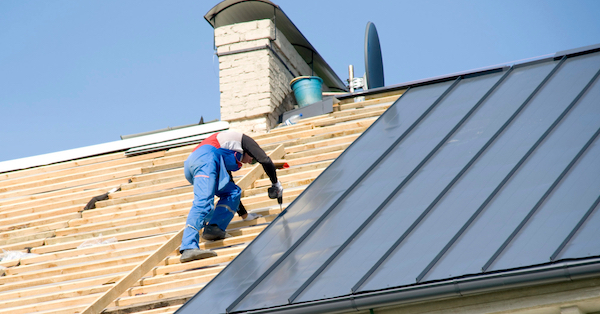
What are the roofing components needed to install a new roof?
The full list of roofing components needed to install a new roof works as one connected system, not a stack of optional parts. From the bottom up, a complete asphalt shingle roof includes the deck, underlayment, drip edge, flashing, ice and water shield, ventilation, the shingles themselves, and ridge caps. Each layer has a specific job, and leaving one out is where premature leaks and early failures usually start.
In the Austin and Central Texas climate, the weakest layers get tested fast. Intense summer heat bakes the surface, spring hail strikes the shingles directly, and straight-line winds search for any loose edge. A roof built with every component installed correctly is what holds up across those seasons.
Here is how the layers stack together:
- Roof deck: the plywood or OSB base that everything attaches to.
- Underlayment: a water-resistant barrier over the deck.
- Drip edge: metal trim that directs water off the edges.
- Flashing: metal that seals joints, valleys, and penetrations.
- Ice and water shield: a self-sealing membrane in vulnerable areas.
- Ventilation: intake and exhaust vents that move air through the attic.
- Shingles and ridge caps: the visible surface and the sealed peak.
As a GAF Master Elite contractor serving the area since 2005, our team treats every one of these parts as required, not optional. For more about our work as an Austin roofing company, each layer is installed to spec on every job.
What to check on your written roof replacement quote
Two quotes for the same roof can differ by thousands of dollars because they do not include the same work. Before you compare prices, check that each quote spells out:
- Tear-off and disposal: how many layers come off, and whether the dumpster and haul-away are included.
- Decking: how damaged decking is handled and priced. It cannot be fully seen until the old roof is off, so the quote should say what happens when rot is found.
- Underlayment: the product specified, not just "felt".
- Flashing: whether wall, chimney and valley flashing is replaced or reused.
- Drip edge and ice and water shield: where each will be installed.
- Ventilation: which intake and exhaust vents are included, and whether the attic will be balanced.
- Shingles and ridge caps: the brand and product line named, with matching ridge caps.
- Warranty: manufacturer and workmanship coverage, and who registers it.
- Cleanup: debris removal and a nail sweep of the yard and driveway.
For what these line items typically add up to, see what a new roof costs in Austin.
Why does the roof deck and underlayment matter so much?
The roof deck is the structural foundation that carries the entire covering. Most homes are framed with rafters or wooden trusses to shape the roof, and plywood or OSB boards are fastened across them to form the deck. If the deck is soft, rotted, or improperly nailed, no shingle on top can compensate for it.
Underlayment is the next line of defense. This tough, water-resistant fabric covers the deck and creates a secondary barrier that protects the wood, trusses, and the rest of the home if water ever gets past the shingles. Modern synthetic underlayment resists tearing and holds up better than older felt products, which matters during the heavy spring storms that move through Central Texas.
When we replace a roof, we inspect the exposed deck before anything else goes down. Hidden rot from a long-running roof leak is common, and replacing damaged decking now prevents a sagging, failing roof later.
What do drip edge, flashing, and ice and water shield do?
These are the components that handle water at the roof’s most vulnerable points, and they are the ones cut-rate installers most often skip.
- Drip edge: metal flashing installed along the eaves and rakes that pushes water away from the fascia and into the gutters instead of behind them.
- Flashing: metal pieces that seal where the roof meets walls, chimneys, valleys, vents, and skylights. Most leaks trace back to failed or missing flashing rather than the shingles.
- Ice and water shield: a self-adhering membrane applied in valleys, around penetrations, and along eaves that seals tightly around nails for extra leak protection.
In Texas we deal less with ice and more with wind-driven rain, but the membrane does the same job: it stops water from forcing its way into the areas that take the most abuse. Proper flashing also matters for insurance, since a claim adjuster will look closely at these details after a storm.
Why is roof ventilation a required component?
Ventilation is often treated as an afterthought, but it is one of the roofing components needed to install a new roof correctly. A balanced system pulls cool air in through soffit (intake) vents and pushes hot air out through ridge (exhaust) vents near the peak. This airflow keeps the attic from turning into a heat trap.
In an Austin summer, an unvented attic can climb well past 130 degrees. That trapped heat cooks shingles from below, shortens their lifespan, drives up cooling bills, and can encourage moisture buildup that leads to mold and rotted decking. Good ventilation protects every layer above and below it, which is why we size intake and exhaust together rather than just adding a vent or two.
Which shingles and surface materials are used, and how much do they cost?
The shingles and ridge caps are the visible surface that ties the system together. Asphalt shingles are the most popular choice in Central Texas because they offer strong longevity, hold up to harsh weather with minimal damage, require little maintenance, and come in many colors to suit any home or neighborhood. Architectural asphalt shingles also include built-in adhesive strips for better wind resistance.
If asphalt is not the right fit for your home’s style, there are other options. A metal roof lasts longer and reflects heat well, while tile suits certain architectural designs. The table below compares them on relative cost; for dollar figures, see what a full roof system costs in Austin. Here is how common roofing materials compare:
| Material | Typical Lifespan | Relative Cost | Best For |
|---|---|---|---|
| 3-tab asphalt shingles | 15 to 20 years | Lowest | Budget-focused replacements |
| Architectural asphalt shingles | 25 to 30 years | Moderate | Most Central Texas homes |
| Metal roofing | 40 to 70 years | Higher | Heat reflection and longevity |
| Tile roofing | 50 or more years | Highest | Spanish and Mediterranean styles |
Ridge caps finish and seal the peak where two roof planes meet, completing the watertight surface.
For a sense of what a full system costs on a home your size, our roof calculator prices the common material choices side by side.
How does Driftwood Builders Roofing install every component correctly?
Putting these roofing components together correctly is what separates a roof that lasts decades from one that fails early. Our crews install the deck, underlayment, drip edge, flashing, ice and water shield, ventilation, shingles, and ridge caps to manufacturer specifications, which is also what keeps your warranty valid.
As a GAF Master Elite certified contractor since 2005, Driftwood Builders Roofing serves Austin and Central Texas, including Cedar Park, Round Rock, Leander, Lakeway, Georgetown, Pflugerville, Buda, and Kyle. We provide free estimates, never ask for a deposit, and handle both residential and commercial projects.
If you are planning a new roof installation or just want to understand what your project involves, you can request a free estimate and we will walk you through every component.
Frequently Asked Questions
What is the most important component of a new roof?
No single component is most important, because the roof works as a connected system. That said, flashing and underlayment prevent the majority of leaks, so failures in those layers tend to cause the most damage if they are missing or installed poorly.
Can you install new shingles without replacing the underlayment?
On a full roof replacement, the underlayment should always be replaced along with the shingles. Reusing old underlayment leaves a worn moisture barrier under a new surface, which undermines the whole installation and can void manufacturer warranties.
Do I really need roof ventilation in Central Texas?
Yes. Balanced intake and exhaust ventilation is essential in our climate, where attic temperatures can exceed 130 degrees in summer. Proper ventilation extends shingle life, lowers cooling costs, and prevents moisture and mold buildup.
What roofing material lasts longest in the Austin climate?
Metal and tile roofs last the longest, often 40 to 70 years or more, and metal reflects heat well during hot Austin summers. Architectural asphalt shingles remain the most popular balance of cost and durability, typically lasting 25 to 30 years.
How much does a new roof cost in Austin?
Cost depends on roof size, pitch, material, and the condition of the deck once the old roof is removed. The best way to get an accurate number is a free, no-deposit estimate from Driftwood Builders Roofing based on your specific home.

Author: Driftwood Builders Roofing
Driftwood Builders Roofing is a family-owned residential roofing company headquartered in Manchaca, Texas, serving Austin and the surrounding Hill Country since 2005. The company has delivered 3,700 full roof replacements and 783 repairs across 3,559 different customers over 20 years in business, with 97 years of combined construction experience across the leadership team and 74 years specifically inside Driftwood Builders. The company holds the highest contractor certifications offered by the major shingle manufacturers, including GAF Master Elite Contractor (the top 3% of GAF contractors nationally), GAF Certified Green Roofer, Owens Corning certified, TAMKO Pro Certified Contractor, and a Berridge Roof Installation Seminar Certificate for standing-seam metal roofs. Driftwood is an NRCA member, holds an Angie's List Super Service Award, is BBB Accredited, and is a GuildQuality member for verified customer satisfaction data. James Hardie certification covers the siding side of the business. Services include residential roof replacement, leak and storm-damage repair, tile roof repair, metal roofing, TPO commercial roofing, roof inspections, hail and storm damage inspections with insurance claim assistance, gutter work, and James Hardie siding. The customer-protection policy is straightforward: Only Pay Upon Completion. The company serves 22 cities across the Hill Country and Greater Austin and holds a 5-star rating across Google, GuildQuality, Angi, Nextdoor, Facebook, Thumbtack, and Yelp.
