What's Behind Your Siding? Water Barriers, Rot, and Termite Damage We Find in Austin Homes
Why the Surface Doesn't Tell the Whole Story
Siding and stucco are the visible layer, but they're not the layer actually keeping water out of your home's structure. That's the job of the weather-resistant barrier (house wrap, or in stucco's case, building paper) installed directly against the sheathing. If that barrier fails, is damaged, or was installed incorrectly, water can get behind the exterior finish without it showing on the surface for a long time. The siding or stucco can look completely normal while real damage develops behind it.
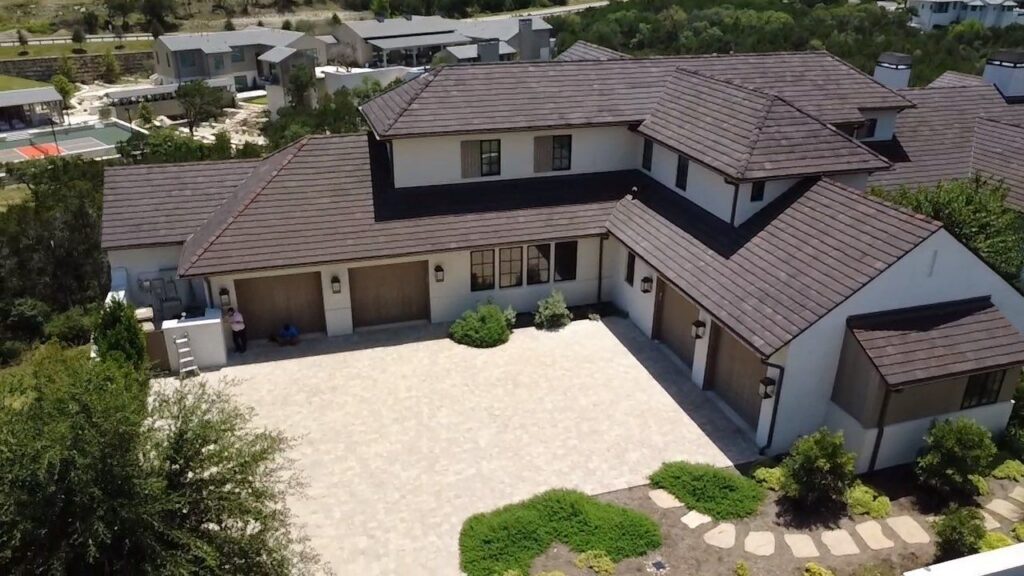
A Real Example: Window Replacement in Westlake
We were called out to a home in Westlake (78746) for what started as a straightforward job: replacing Marvin windows. Once we began the work and opened up the surrounding area, we found termite damage behind the original stucco that had never been visible from outside. Nothing about the exterior surface suggested it was there.
The full scope ended up covering demolition, a concealed-damage inspection, framing repair, waterproofing, window installation, stucco blending, and paint. As part of the restoration, we installed proper two-ply building paper (the correct moisture-barrier approach for this kind of work), addressing the underlying moisture issue that had likely contributed to the termite damage in the first place. See the full project writeup with before/during/after photos.
Why This Happens
A few common ways the barrier behind siding or stucco fails without an obvious sign on the surface:
- Age. Building paper and older house wrap materials degrade over decades, especially in homes that have never had the exterior opened up for inspection.
- Installation-era shortcuts. A barrier installed incorrectly the first time (wrong overlap, missing at a transition, damaged during original construction) doesn't fail immediately. It fails slowly, on its own timeline.
- A single point of entry. Water doesn't need a large opening: a failed seal at one window, one piece of trim, or one penetration is enough to start the process, and from there it can travel.
What This Means for Your Home
Homes with original exterior finishes that have never been opened up for a real inspection are the ones most likely to have something like this developing unnoticed, not because anything was necessarily done wrong originally, but simply because barrier materials have a real service life, and nobody knows it's failed until something (a planned renovation, a repair, an inspection) opens the wall up.
This is exactly why Driftwood Builders Roofing checks what's happening behind the surface as part of every inspection, not just what's visible from the street. See our guide on common siding problems for the broader diagnostic picture, or our siding installation and repair page for next steps if you're planning work that will open up your exterior.

Frequently Asked Questions
How do I know if there's damage behind my siding or stucco?
There often isn't a visible sign until the exterior is opened up, which is why an inspection that checks more than just the surface matters, especially on homes with original, never-inspected exterior finishes.
What is a weather-resistant barrier, and why does it matter?
It's the water-management layer (house wrap, or building paper for stucco) installed directly against the wall sheathing, behind the visible siding or stucco. It's what actually keeps water out of the structure. The exterior finish is a second layer, not the primary defense.
What did you find on the Westlake project specifically?
Termite damage behind the original stucco that wasn't visible from outside, discovered once demolition began for a window replacement. We installed proper two-ply building paper as part of the restoration. Full project details here.
Does this mean my siding was installed wrong?
Not necessarily. Barrier materials have a real service life and can fail from age or a single failed detail, not just an original installation error. An inspection is the only way to know what's actually happening on your specific home.
Should I have my exterior inspected even if nothing looks wrong?
If your home has original siding or stucco that's never been opened up, especially on an older home, it's a reasonable thing to have checked, particularly if you're already planning a window, door, or exterior renovation project that will disturb the surface anyway.
Wondering what might be behind your own siding or stucco? Schedule a free inspection →

Author: Driftwood Builders Roofing
Driftwood Builders Roofing is a family-owned residential roofing company headquartered in Manchaca, Texas, serving Austin and the surrounding Hill Country since 2005. The company has delivered 3,700 full roof replacements and 783 repairs across 3,559 different customers over 20 years in business, with 97 years of combined construction experience across the leadership team and 74 years specifically inside Driftwood Builders. The company holds the highest contractor certifications offered by the major shingle manufacturers, including GAF Master Elite Contractor (the top 3% of GAF contractors nationally), GAF Certified Green Roofer, Owens Corning certified, TAMKO Pro Certified Contractor, and a Berridge Roof Installation Seminar Certificate for standing-seam metal roofs. Driftwood is an NRCA member, holds an Angie's List Super Service Award, is BBB Accredited, and is a GuildQuality member for verified customer satisfaction data. James Hardie certification covers the siding side of the business. Services include residential roof replacement, leak and storm-damage repair, tile roof repair, metal roofing, TPO commercial roofing, roof inspections, hail and storm damage inspections with insurance claim assistance, gutter work, and James Hardie siding. The customer-protection policy is straightforward: Only Pay Upon Completion. The company serves 22 cities across the Hill Country and Greater Austin and holds a 5-star rating across Google, GuildQuality, Angi, Nextdoor, Facebook, Thumbtack, and Yelp.
