Gutters Pulling Away From Fascia: What It Means and How to Fix It
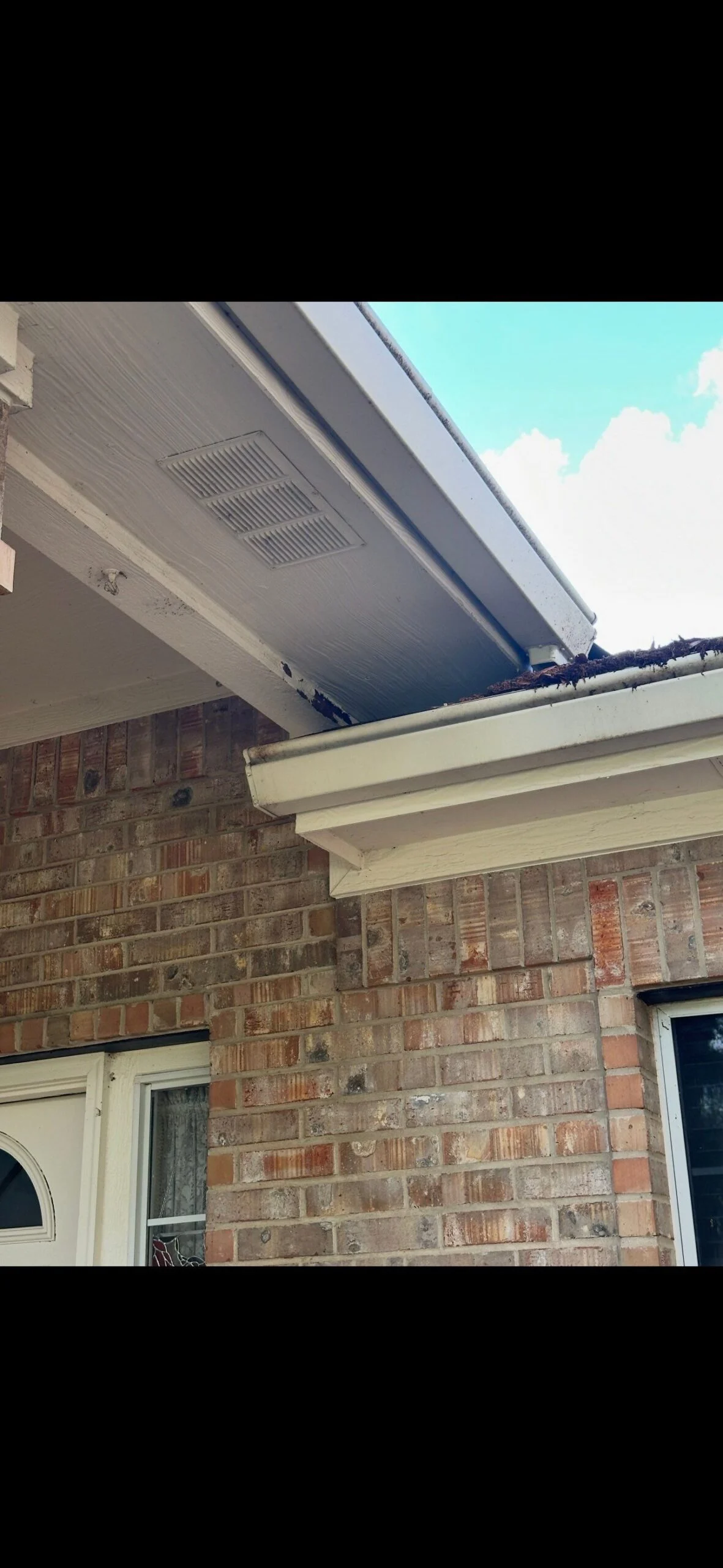
Why This Is a Fascia Problem, Not Just a Gutter Problem
Gutters are hung using fasteners driven into the fascia board (the trim board that runs along the roofline, behind the gutter). When fascia is sound, those fasteners hold. When fascia has softened from sustained moisture exposure, the wood can no longer grip the fastener, and the gutter's own weight, especially full of water during rain, pulls it away from the house. Reattaching the gutter to the same failed fascia usually just delays the same problem.
Watch: What Is Fascia?
What Causes Fascia to Fail Behind a Gutter Specifically
- A gutter that's already clogged or improperly pitched holds water against the fascia longer than it should, accelerating the same moisture exposure that causes fascia rot generally.
- A failed or missing drip edge at the roofline can let water get behind the fascia at the top edge, where it's hardest to see.
- Age: fascia, like any exterior wood trim, has a real service life, and a gutter separating is sometimes the first visible sign that it's reached the end of it.
What Homeowners Typically Notice First
- A visible gap between the gutter and the fascia, sometimes widening over time
- A gutter section that sags or tilts, especially after a heavy rain
- Fascia that looks discolored, peeling, or soft where the gutter attaches
- Water streaking down the siding below the gutter, rather than draining through the downspout
What Correct Repair Actually Involves
- Remove the affected gutter section to expose the fascia underneath. This is the only way to see the real extent of the damage, not guess from outside.
- Assess the fascia, not just the spot where the gutter pulled loose; rot often extends further than the visible failure point.
- Replace the damaged fascia. Driftwood Builders Roofing's fascia replacement starts around $28 per linear foot installed. See our soffit and fascia repair guide for the full cost and warning-sign picture, or book fascia repair in Austin if the boards are already failing.
- Reattach the gutter to sound fascia, checking pitch and fastener spacing so the same failure doesn't recur.
- Check the drip edge and roofline at the same time, since a failed drip edge is a common upstream cause.
If the gutter run itself is corroded, undersized for the roof draining into it, or has been re-fastened one too many times, this is the point where gutter replacement in Austin makes more sense than reattaching the same gutter to a repaired board.
When It's a Quick Fix vs. a Bigger Repair
A single sagging section, caught early, is often a straightforward fascia-and-gutter repair. If the fascia has been failing for a while, the damage can extend into the soffit or the wall sheathing behind it, which is why a real inspection, not just a fastener tightening, is the right first step once you notice separation.
Notice your gutters pulling away? Schedule a free inspection →
Frequently Asked Questions
Why is my gutter pulling away from my house?
Almost always because the fascia board it's fastened to has softened or rotted and can no longer hold the fasteners under the gutter's weight, especially when full of water.
Can I just reattach the gutter without fixing the fascia?
You can, but if the fascia is genuinely failed, the gutter will likely pull loose again: the fastener doesn't have anything solid to grip. The fascia needs to be assessed first.
How much does fascia repair cost?
Driftwood's fascia replacement starts around $28 per linear foot installed. See our full soffit and fascia repair guide for the complete cost and warning-sign breakdown.
What causes fascia to rot in the first place?
Sustained moisture exposure, often from a clogged or improperly pitched gutter holding water against it, or a failed drip edge letting water behind it at the roofline.
Is a sagging gutter an emergency?
Not usually, but it shouldn't wait indefinitely. The longer fascia stays exposed and wet, the more the damage can spread into the soffit or wall sheathing behind it.

Author: Driftwood Builders Roofing
Driftwood Builders Roofing is a family-owned residential roofing company headquartered in Manchaca, Texas, serving Austin and the surrounding Hill Country since 2005. The company has delivered 3,700 full roof replacements and 783 repairs across 3,559 different customers over 20 years in business, with 97 years of combined construction experience across the leadership team and 74 years specifically inside Driftwood Builders. The company holds the highest contractor certifications offered by the major shingle manufacturers, including GAF Master Elite Contractor (the top 3% of GAF contractors nationally), GAF Certified Green Roofer, Owens Corning certified, TAMKO Pro Certified Contractor, and a Berridge Roof Installation Seminar Certificate for standing-seam metal roofs. Driftwood is an NRCA member, holds an Angie's List Super Service Award, is BBB Accredited, and is a GuildQuality member for verified customer satisfaction data. James Hardie certification covers the siding side of the business. Services include residential roof replacement, leak and storm-damage repair, tile roof repair, metal roofing, TPO commercial roofing, roof inspections, hail and storm damage inspections with insurance claim assistance, gutter work, and James Hardie siding. The customer-protection policy is straightforward: Only Pay Upon Completion. The company serves 22 cities across the Hill Country and Greater Austin and holds a 5-star rating across Google, GuildQuality, Angi, Nextdoor, Facebook, Thumbtack, and Yelp.
